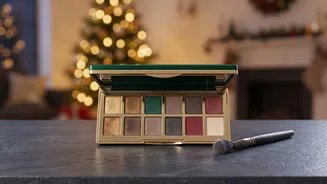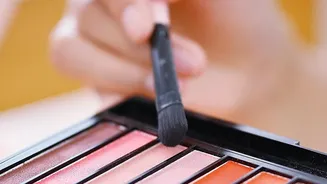







Diwali is a time for light, celebration, and looking your best. As you plan your festive look, don't overlook a crucial step: ensuring your eye makeup is safe. A few simple checks can protect your eyes from irritation and infection.
Why Your Eyes Need Extra Care
The skin around your
eyes is the most delicate on your face, making it more susceptible to irritation and allergic reactions. During Diwali, exposure to smoke and dust can increase this sensitivity. Using contaminated, expired, or counterfeit eye makeup can introduce harmful bacteria or toxic chemicals, leading to conditions like conjunctivitis (pink eye), styes, blepharitis (eyelid inflammation), or even scratches on your cornea. Symptoms can include redness, itching, swelling, discharge, or blurred vision.
How to Spot a Counterfeit Product
Counterfeit cosmetics are a serious risk, as they can contain dangerous ingredients like lead, arsenic, and mercury. To protect yourself, always buy from authorised sellers and be wary of deals that seem too good to be true. Before you buy, inspect the packaging closely. Look for high-quality printing, consistent fonts, and sturdy materials. Fakes often have spelling errors, blurry text, or flimsy packaging. Every legitimate cosmetic sold in India must have a batch number, manufacturing date, and the importer's address clearly printed. If this information is missing or smudged, it's a red flag.
Reading the Label: What to Avoid
Always check that a product is specifically approved for use around the eyes. Traditional products like kohl or surma, especially from unregulated sources, have been found to contain high levels of lead, a toxic metal that is particularly harmful to children. Look for products from reputable brands that are labelled 'ophthalmologist-tested' or formulated for sensitive eyes. Be cautious with glitter makeup, as the particles can flake off and enter the eye, causing irritation or corneal scratches, a common issue for contact lens wearers. If possible, opt for cream-based eyeshadows over powders to minimise fallout.
The Patch Test: A Non-Negotiable Step
Before applying any new product near your eyes, perform a patch test to check for an allergic reaction. Apply a small amount of the product to a discreet area of skin, like your inner wrist or behind your ear. Leave the product on for as long as you would typically wear it, but for at least 24 hours if possible. Monitor the area for any signs of contact dermatitis, such as redness, itching, swelling, or rashes. If any irritation occurs, wash the product off immediately and do not use it on your face.
Safe Application and Removal Hygiene
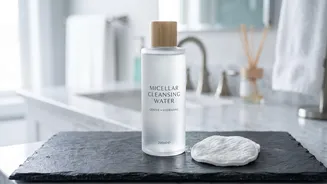
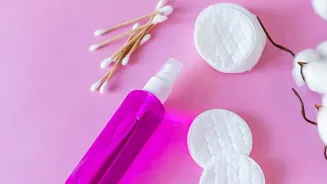
Start with a clean canvas. Always wash your hands and face before applying makeup. Keep your brushes and applicators clean to prevent bacterial growth. Avoid applying liner to your inner lash line, or 'waterline', as this can block important oil glands and introduce makeup directly into your tear film, causing dryness and irritation. Never apply makeup in a moving vehicle to avoid accidentally poking or scratching your eye. At the end of the night, no matter how tired you are, completely remove all eye makeup. Use a gentle, eye-safe remover and avoid aggressive rubbing, which can damage the delicate skin.
Know When to Let Go
Makeup doesn't last forever. Liquid products like mascara and eyeliner should be thrown out every three months, as bacteria thrive in their dark, moist containers. If a product changes in smell, colour, or texture, discard it immediately, regardless of its age. Never add water or saliva to revive a dried out product,'as this introduces more bacteria.' And crucially,'never share eye makeup,'even with close friends or family,'as this is one of the easiest ways to spread an infection.' If you do develop an eye infection,'throw away any products you were using when it started to avoid reinfecting yourself.'