

Why Monsoon is a Danger Zone
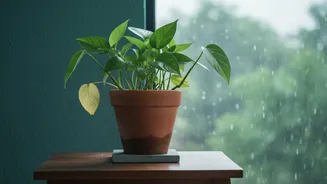
The Indian monsoon brings welcome relief from summer heat, but it dramatically changes conditions for indoor plants. The air becomes saturated with moisture, which means water evaporates from the soil much more slowly. Cloudy skies reduce the sunlight
available for photosynthesis, further slowing a plant's water uptake. This combination of high humidity and low light keeps the soil constantly damp, creating an environment where roots can suffocate. Many gardeners make the mistake of sticking to their summer watering schedule, which quickly leads to waterlogged soil and root rot.
Spot the Telltale Signs
An overwatered plant often looks like an underwatered one, which can be confusing. The key difference is the soil moisture. If a plant is wilting but the soil is wet, overwatering is the likely culprit. Other common signs include yellowing leaves that feel soft or mushy, especially lower leaves. You might also notice a musty or foul smell coming from the soil, which indicates that the roots are beginning to rot. Fungus gnats—small, flying insects—are also attracted to persistently damp soil, and their presence is a clear indicator that you need to let things dry out.
Rethink Your Watering Routine
During the monsoon, you must abandon any fixed watering schedule. The most reliable method is to check the soil manually before reaching for the watering can. Use the 'finger test': insert your finger about an inch or two into the soil. If it feels dry at that depth, it's time to water. If you feel any moisture, wait another day or two and check again. When you do water, direct it at the soil level rather than on the leaves, as wet foliage in a humid environment can encourage fungal diseases.
Improve Drainage and Aeration
Good drainage is non-negotiable, especially during the rains. Ensure every pot has drainage holes to allow excess water to escape. If you use decorative outer pots without holes, make sure to empty any collected water from the saucer or cachepot after watering. Elevating pots on stands or even bricks can also help by ensuring the drainage holes aren't blocked and allowing air to circulate underneath. Using a light, well-draining potting mix is also crucial. A mix containing cocopeat, perlite, or coarse sand will prevent the soil from becoming compacted and waterlogged.
Maximise Light and Airflow
To counteract the gloomy, overcast days, move your plants to the brightest possible location in your home, such as near a window. Rotating them every few days will ensure all sides get some light. Good air circulation is also vital to combat high humidity and prevent fungal growth. If your space is stuffy, consider opening a window for a while on dry days or using a small fan to create a gentle breeze. Avoid crowding plants too closely together, as this can trap humid air and promote disease.
An Emergency Plan for Waterlogged Plants
If you suspect a plant is already suffering from overwatering, act fast. First, stop watering and move the plant to a spot with bright, indirect light to help the soil dry out. Gently tipping the pot and tapping it can help create air pockets around the roots. If the soil smells rotten or the plant continues to decline, you may need to repot it. Carefully remove the plant, inspect the roots, and trim away any that are brown, black, or mushy. Repot it into a clean pot with fresh, well-draining soil.