







The Pandemic Was Just the Warm-Up
Let’s be clear: working out at home isn't new. Jane Fonda was doing it in leg warmers four decades ago, and Bowflex has been a late-night infomercial staple for generations. But the recent surge is different. When gyms across the country shuttered in 2020,
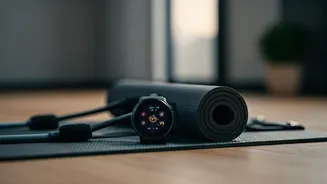
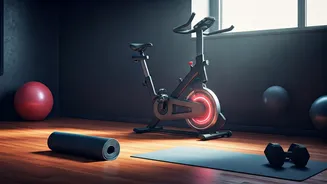
millions of Americans were forced to find new ways to stay active. That necessity became the catalyst for a fundamental shift in our relationship with exercise. What started as a temporary solution—a YouTube yoga class here, a jog around the block there—quickly evolved. People discovered that the convenience of a zero-commute workout was hard to beat. The initial scramble for dumbbells and resistance bands gave way to a more intentional, long-term investment in building out personal fitness sanctuaries.
Your Living Room Is the New Tech Hub
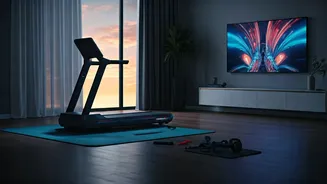
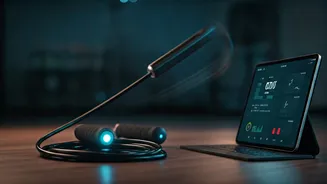
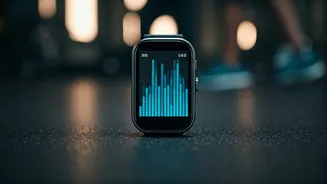
The single biggest driver of this new era is technology. Companies like Peloton, Tonal, and Mirror transformed solitary home workouts into immersive, data-driven experiences. These aren’t just stationary bikes or glorified mirrors; they are portals to live classes, competitive leaderboards, and charismatic instructors who seem to know your name. The appeal is twofold. First, there’s the gamification of fitness. Tracking metrics, hitting personal records, and earning badges taps into the same psychological reward loops that make video games so addictive. Second, there’s the illusion of community. High-fiving a fellow rider on a Peloton screen might not be the same as seeing them at the gym, but in an increasingly isolated world, it provides a powerful sense of connection and shared effort. This fusion of hardware, software, and community has created a potent 'sticky' ecosystem that keeps users coming back.
The App Store Is Your Personal Trainer
Even without a multi-thousand-dollar piece of equipment, the fitness world is now at your fingertips. The boom in subscription-based fitness apps has democratized access to high-quality instruction. For a monthly fee often less than a single drop-in class at a boutique studio, apps like Apple Fitness+, Nike Training Club, and Peloton Digital offer vast libraries of workouts, from HIIT and strength training to meditation and dance cardio. This model provides unparalleled flexibility and variety. You can try a new workout style every day of the week without commitment. It caters to our modern, on-demand sensibilities, allowing users to squeeze in a 15-minute core session on a lunch break or a full-hour yoga flow after the kids are in bed. The phone has officially become the most versatile piece of gym equipment you can own.
But Is the Gym Dead?
Not so fast. While home fitness has carved out a massive share of the market, it hasn't killed the traditional gym—it has simply forced it to evolve. Many people are now adopting a hybrid approach. They might use their connected bike for cardio during the week and hit the gym on weekends for heavy lifting and access to a wider range of equipment. The social aspect of gyms remains a powerful draw that virtual communities can't fully replicate. Furthermore, home fitness has its own set of challenges. It requires discipline, space, and often a significant upfront financial investment. The motivation that comes from physically leaving your house and entering a dedicated fitness space is real. For many, the future of fitness isn't an 'either/or' choice between home and gym, but a 'both/and' solution tailored to their specific needs and lifestyle.