





Why This Season Is Your Best Friend
Starting a garden during the peak of Indian summer can be a trial by fire. Intense heat, rapid water evaporation, and aggressive pests can quickly discourage even the most enthusiastic beginner. The cooler months—typically from October to February—are
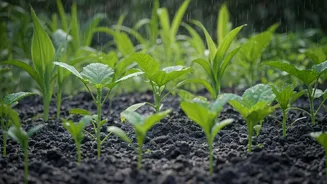
nature's way of giving you a head start. The milder sun means your delicate seedlings are less likely to get scorched. The soil retains moisture for longer, so you don't have to water constantly, reducing the risk of both underwatering and overwatering. Furthermore, many common garden pests are less active in the cooler, drier air. This gentler climate provides a wider margin for error, allowing you to learn and grow your skills without the constant stress of battling extreme weather. It’s the perfect season to build your confidence and fall in love with gardening.
What to Plant: Your Winter Winners
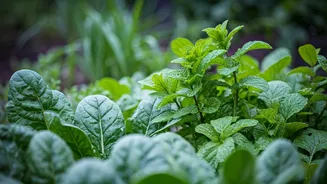
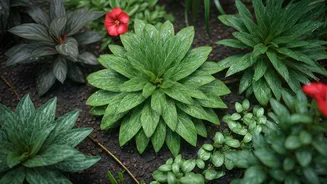
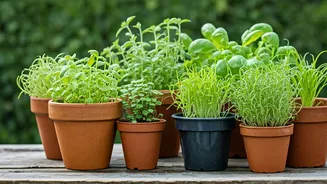
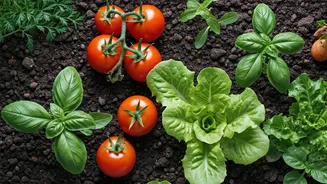
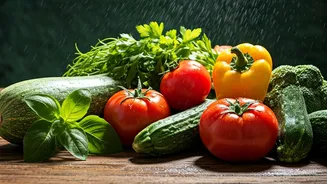
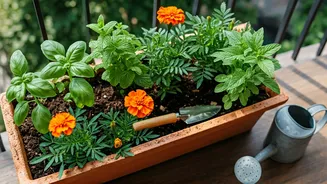
The cooler season is prime time for a huge variety of plants that struggle in the heat. For a successful first attempt, focus on these easy-to-grow options. **Vegetables:** Leafy greens are a fantastic choice. Spinach (palak), fenugreek (methi), and coriander (dhania) grow quickly and can be harvested multiple times. Root vegetables like carrots, radishes, and beetroots also thrive in the cool soil. Tomatoes and chillies, which can be sensitive to extreme heat, often produce their best crop during this period. **Flowers:** If you want a splash of colour, winter is your canvas. Marigolds (genda) are incredibly resilient and help deter pests. Petunias, pansies, and calendulas are other beautiful, low-maintenance options that will brighten up any balcony or garden space. They require minimal fuss and reward you with vibrant blooms throughout the season. **Herbs:** Fresh herbs can transform your cooking. Mint (pudina) and basil are staples, but also consider trying dill or parsley. Most herbs do well in pots and require little more than sunlight and regular watering.
The Right Foundation: Soil and Pots
Good soil is the secret to a thriving garden. Don’t just use plain mud from the ground, as it often becomes hard and lacks nutrients. A perfect beginner’s potting mix is a simple, equal-parts combination of three things: garden soil, cocopeat, and compost. The soil provides structure, the cocopeat (made from coconut husks) helps with water retention and aeration, and compost (like vermicompost) adds essential nutrients. You can buy these components at any local nursery or online. When it comes to containers, anything with a drainage hole at the bottom will work. Terracotta pots are excellent because they are porous and allow roots to breathe, but they also dry out faster. Plastic pots are lightweight and retain water well. Grow bags are another fantastic, affordable option. The key is drainage—without it, water will pool at the bottom and rot your plant's roots. For leafy greens and herbs, pots that are 6-8 inches deep are sufficient. For tomatoes or carrots, you'll want something deeper, around 10-12 inches.
Golden Rules for a Green Thumb
Once your garden is planted, a little consistent care is all it needs. Here are the three pillars of success: 1. **Sunlight:** Most winter vegetables and flowers need at least 4-6 hours of direct sunlight per day. Observe your balcony or garden space to find the sunniest spot and place your plants there. If you have a particularly shady area, mint and some varieties of spinach can still do reasonably well. 2. **Watering:** This is where most beginners go wrong. In cooler weather, the soil doesn't dry out as quickly. Before watering, stick your finger about an inch into the soil. If it feels dry, it's time to water. If it feels damp, wait another day. It’s always better to water deeply and less frequently than to give a little splash every day. Water the soil, not the leaves, to prevent fungal diseases. 3. **Pest Watch:** Even in winter, keep an eye out for pests like aphids or mealybugs. The best defence is a simple, organic one. Mix a few drops of neem oil and a mild liquid soap in a litre of water and spray it on your plants once every 15 days as a preventative measure. If you see pests, you can spray this solution directly on them.