






1. The Two-Way Pet Camera
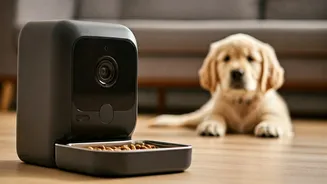
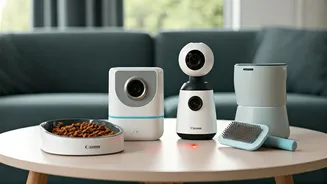
Remember when you could just look over your laptop to see what your dog was up to? That constant, passive reassurance is gone on office days. Enter the interactive pet camera. These aren't just for surveillance; they’re a portal back home. Most popular
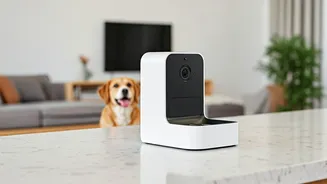
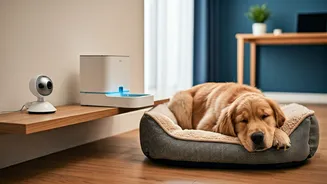
models offer HD video, night vision, and two-way audio, allowing you to not only see your pet but also talk to them. For hybrid workers, this is the ultimate tool for managing separation anxiety—both the pet's and their own. A quick check-in during a coffee break can confirm that the house hasn't been destroyed and that your furry friend is, in fact, just sleeping peacefully on the couch. Some high-end versions even offer treat-tossing capabilities, turning a moment of worry into a moment of connection.
2. The Automated Feeder
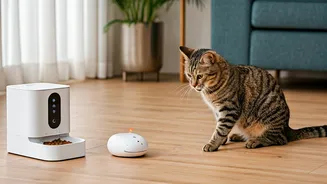
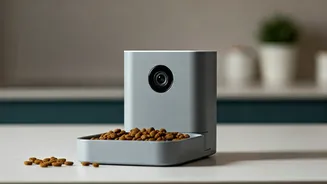
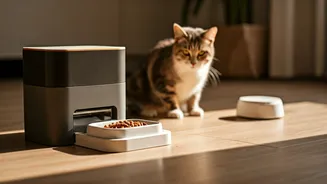
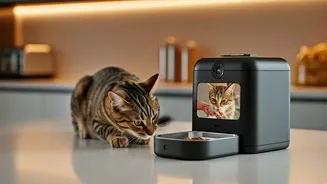
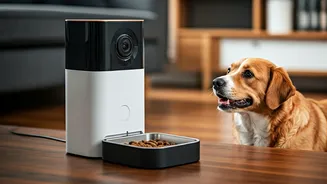
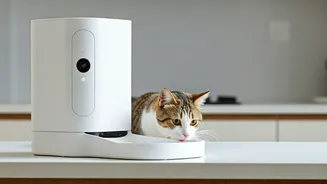
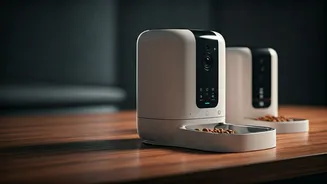
The hybrid schedule is a chaos agent for routine. One day you’re home for a 12 p.m. feeding; the next, you’re stuck in traffic, pushing dinner back by an hour. Pets thrive on predictability, and automated feeders are the perfect antidote to a fluctuating schedule. These devices allow owners to portion out and schedule meals with precision from a smartphone app. It eliminates the guilt of a late commute and ensures your pet maintains a consistent eating schedule, which veterinarians agree is crucial for their health. For cats and dogs prone to “scarf and barf,” some models dispense food slowly over a period of time. This isn’t just a convenience; it’s a way to impose order and reliability when your physical presence can’t.
3. The App-Controlled Toy
A bored pet is often a destructive pet. The guilt of leaving a pet alone all day is compounded by the fear of returning to shredded pillows or chewed-up shoes. Smart toys are designed to solve this by providing on-demand stimulation. The category is broad, ranging from robotic ball launchers that can play fetch for hours to automated laser pointers that engage a cat’s prey drive. Many are controllable via an app, letting a hybrid worker initiate a surprise playtime session from their office desk. Seeing a notification that your dog has played for 20 minutes offers tangible peace of mind. It’s a digital stand-in for the midday walk you can't provide, ensuring your pet expends energy constructively, not destructively.
4. The GPS & Activity Tracker
“Where’s the dog?” It’s a question that sends a jolt of panic through any owner. While this has always been a concern, the hybrid schedule adds new variables, like dog walkers or pet sitters coming and going. A GPS tracker, typically attached to a collar, provides a real-time answer. These devices create a virtual “safe zone” around your home and send an alert to your phone if your pet ever leaves it. Beyond just location, most now double as activity trackers, like a Fitbit for your pet. They monitor steps, calories burned, and even the quality of their sleep. For the data-driven hybrid worker, this information is golden. It helps you assess whether your pet is getting enough exercise on the days you’re not home and allows you to adjust your routine or the dog walker’s instructions accordingly.
5. The Smart Crate or Pet Door
The latest wave of pet tech is integrating with the home itself. Smart crates offer a comfortable, climate-controlled den, complete with fans for cooling and a soft light for comfort, all monitored through an app. Some are even designed with anxiety-reducing features. For those with a secure backyard, smart pet doors have revolutionized access. These doors work via a sensor on your pet’s collar, unlocking only for them. It prevents stray animals from entering while giving your pet the freedom to go outside as needed. For a hybrid worker, this autonomy is a game-changer. It means your dog isn't cooped up for eight hours straight, reducing the pressure to rush home and providing a more natural rhythm to their day, even when you're not there to manage it.