





An Appetite for Change
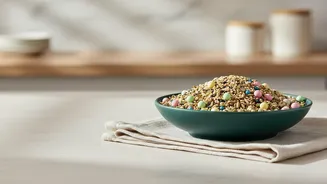
For generations, mukhwas and paan have been an intrinsic part of Indian culture, serving as digestive aids and palate cleansers after a meal. Rooted in Ayurvedic principles, these mixtures of fennel, sesame, and other seeds were a household ritual. However,
the industry has largely remained unorganised, dominated by local vendors with inconsistent quality and ingredients like high sugar content and areca nut (supari), which a growing number of health-conscious consumers are actively avoiding. This created a clear gap in the market: a demand for the traditional experience but with modern standards of health, hygiene, and transparency.
The New Guard of Mukhwas
Sensing this opportunity, a new class of young, digitally-savvy entrepreneurs is stepping in. They aren't just selling a product; they're building premium, direct-to-consumer (D2C) brands that tell a story. By combining family recipes with contemporary wellness trends, they are taking mukhwas from a loose, unbranded commodity to a packaged, clean-label product. They are leveraging the power of e-commerce and social media to reach a national audience that is eager for products that are both authentically Indian and globally aspirational in their quality and presentation.
Innovation in Every Handful
Brands like Joyspoon, founded by husband-and-wife duo Yash and Vaishali Mehta, exemplify this transformation. Vaishali’s family tradition of preparing natural mukhwas at home became the inspiration for a line of products that are low-sugar, supari-free, and use all-natural ingredients. They've moved beyond just being a breath freshener, launching India’s first “functionality-based” mukhwas with blends like 'Digest Fiesta' and 'Relief Munch' that are specifically designed to aid digestion or reduce acidity. This shift turns a traditional treat into a modern wellness supplement, aligning perfectly with the priorities of today’s consumers. Their appearance on Shark Tank India further highlighted the massive potential in this reimagined category.
Redefining the Paan Experience
The innovation extends beyond just mukhwas. The traditional paan shop, often seen as a male-dominated space associated with tobacco, is also being reinvented. Surat-based Paan Casa, for instance, bills itself as India’s first “family paan café.” The entire concept is built around providing a clean, hygienic, and welcoming environment where families can enjoy paan. By completely eliminating tobacco and nicotine, they have broken a long-standing stereotype and broadened their customer base significantly. While offering authentic classics, they also cater to modern palates with fusion creations like chocolate-flavoured paans, turning a street-side staple into a café-worthy experience.
The Blueprint for Modern Heritage
The secret to this burgeoning success lies in a thoughtful blend of past and present. These entrepreneurs are not discarding heritage; they are celebrating it through a modern lens. The focus is on premium packaging that stands out on a shelf, transparent ingredient lists that build trust, and authentic storytelling that connects with consumers. Some, like the second-generation leaders behind the brand Amawat, are professionalizing decades-old family businesses to build a national brand from a local legacy. This successful revival serves as a powerful blueprint for how other traditional Indian products, from pickles to local sweets, can be adapted for the 21st-century marketplace.