


The New Monsoon Travel Boom
Once considered the off-season, the monsoon months are quickly becoming a preferred travel window for many Indians. Recent data from travel platform Cleartrip shows a significant year-on-year increase in travel, with hotel bookings rising by nearly 54%
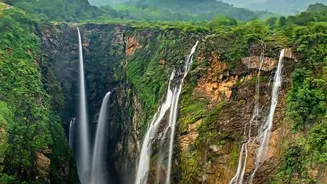
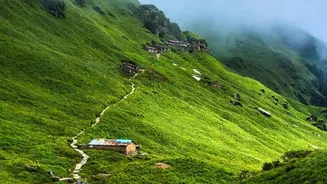
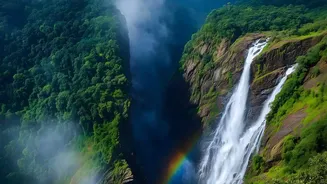
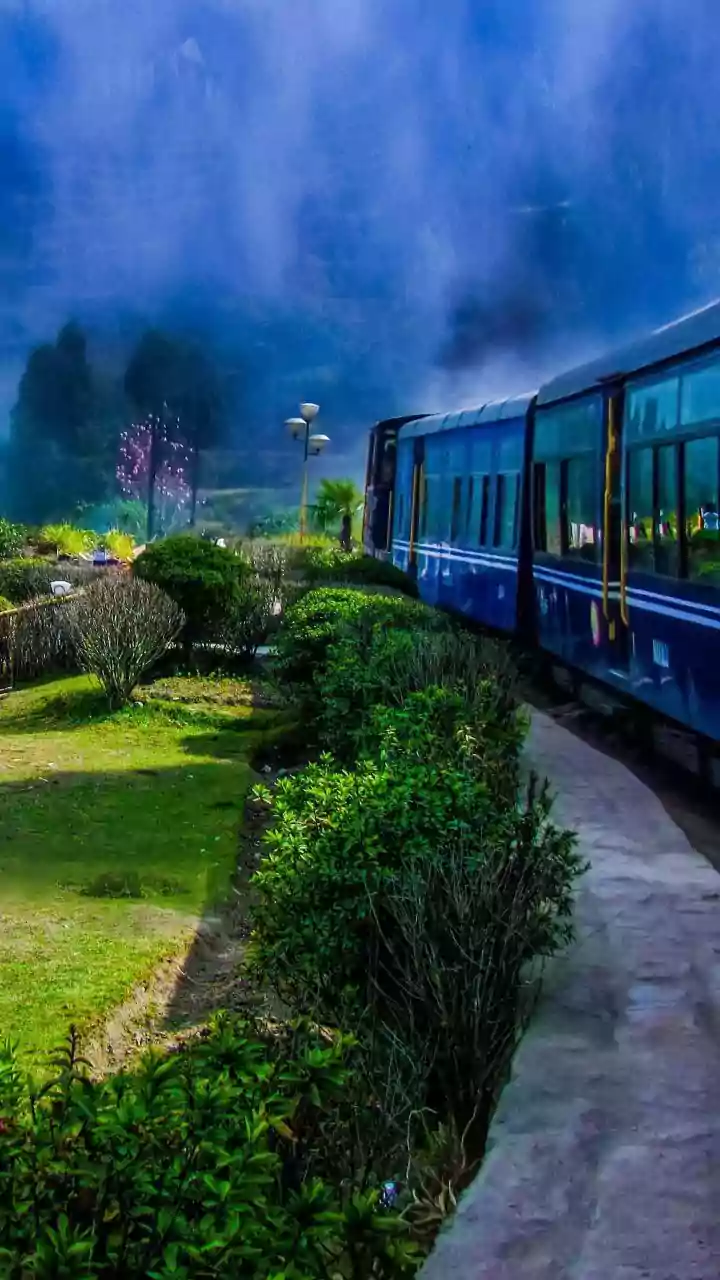
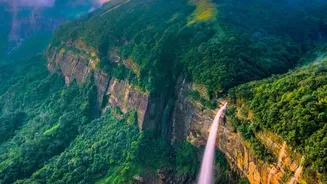
and bus bookings surging by 140%. This trend is driven by a desire for nature-based experiences, fewer crowds, and the unique beauty of landscapes transformed by rain. Destinations across the country are seeing a spike in interest. The Northeast, in particular, has emerged as a hotspot, with Nagaland and Arunachal Pradesh seeing hotel bookings climb by over 90%. Hill stations in the south like Wayanad and Ooty have also recorded dramatic growth in accommodation demand. Even traditionally popular spots like Goa and Udaipur are reporting a healthy rise in visitors, proving that travellers are no longer waiting for the 'perfect' season to take a break.
Why Flexibility Is Now Non-Negotiable
The primary driver behind the need for flexibility is the inherent uncertainty of the monsoon. Heavy rainfall, while scenic, can lead to significant travel disruptions. Landslides in hilly areas, flash floods, and waterlogging can affect road and rail networks, making travel difficult and sometimes dangerous. Transport services, including flights, can face delays or cancellations due to severe weather. This unpredictability makes it difficult for tourists to plan with confidence. A sudden downpour can wash out a day of sightseeing, while a more severe event could cut off access to a destination entirely. As climate patterns become more erratic, these risks are amplified, making rigid, non-refundable travel plans a significant gamble. This reality has prompted travellers and tour operators alike to prioritize contingency planning.
Decoding 'Flexible Cancellation' Policies
The term 'flexible' can mean different things, and it is crucial for travellers to read the fine print before booking. Not all flexible policies are created equal. Some may offer a full, no-questions-asked refund to your original payment method. Others might provide credit for a future booking with the same airline or hotel chain, often with an expiry date. Another common option is the ability to change your travel dates without a penalty, though you may have to pay the fare or rate difference. According to recent data from travel platform Agoda, 'free cancellation' has become one of the most used search filters for accommodations across Asia, showing a clear demand for these options. However, the specific terms vary widely. Always check the cancellation window—some policies require you to cancel 48 hours in advance, while others may be more lenient.
How to Secure the Best Flexible Bookings
Finding and securing a good flexible booking requires a strategic approach. Start by using the search filters available on online travel agencies. Actively selecting for 'Free Cancellation' or 'Pay at Hotel' will immediately narrow your results to more adaptable options. Booking directly with hotels and airlines can sometimes offer more clarity and better terms than going through third-party sites. When booking, take screenshots of the cancellation policy page for your records. Pay close attention to peak season exceptions; policies during holidays like Christmas and New Year are often much stricter. Some travel operators are now proactively collaborating with hotels to secure flexible terms for their clients and building packages that allow for quick itinerary changes without penalties. Don't be afraid to call the hotel or airline to clarify their policy if the wording online is ambiguous.
Beyond Cancellation: Other Essential Protections
While a flexible cancellation policy protects your booking cost, it doesn't cover all potential monsoon travel mishaps. This is where travel insurance becomes an essential second layer of protection. A comprehensive travel insurance policy can cover non-refundable expenses, such as pre-booked activities or tours, if your trip is cancelled or interrupted due to weather. More importantly, it can provide coverage for medical emergencies, which is vital when travelling to remote areas where healthcare access might be limited. Some tour operators are now actively recommending that clients purchase travel insurance that specifically includes disruption coverage for weather-related issues. This combination of flexible bookings and robust insurance allows you to embrace the spontaneity of monsoon travel while mitigating the financial and logistical risks involved.