


Ghee: The Golden Elixir
For years, ghee was unfairly villainised, pushed to the back of the pantry in favour of refined oils. But this liquid gold is making a triumphant comeback, and for good reason. Traditionally used in Ayurveda for everything from cooking to religious rituals,
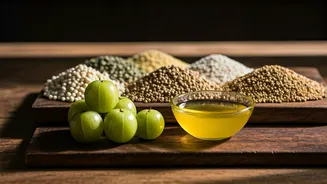
ghee is a powerhouse of nutrients. It’s rich in fat-soluble vitamins like A, E, and D, which are crucial for immunity, skin health, and bone strength. Unlike many cooking oils, it has a high smoke point, meaning it doesn’t break down into harmful free radicals at high temperatures, making it a safer choice for frying and sautéing. Furthermore, ghee is a source of butyrate, a short-chain fatty acid that is vital for gut health. Butyrate helps nourish the cells of the colon, reduce inflammation, and may improve digestion. A dollop on your dal or roti isn’t just an indulgence; it's a nod to ancient wisdom that modern science is finally beginning to appreciate.
Amla: The Tangy Powerhouse
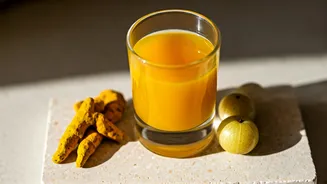
That sharp, tangy burst of flavour from a fresh amla, or Indian gooseberry, is the taste of pure potency. A staple in pickles, murabbas, and chutneys, amla is one of the richest known natural sources of Vitamin C. In fact, it contains about 20 times the Vitamin C of an orange. This antioxidant superstar is essential for bolstering the immune system, fighting off colds and infections, and promoting radiant skin by boosting collagen production. Its benefits don’t stop there. Traditional medicine has long prized amla for its ability to improve hair health, enhance digestion, and manage blood sugar levels. The high fibre content aids in regular bowel movements, while compounds like chromium are thought to have a positive effect on insulin sensitivity. Whether you eat it raw with a sprinkle of salt, drink its juice, or enjoy it in a preserve, incorporating amla into your diet is one of the easiest ways to access a treasure trove of benefits.
Millets: The Humble Super Grains
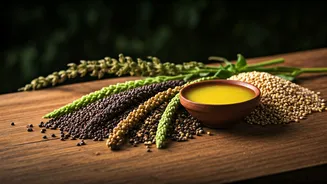
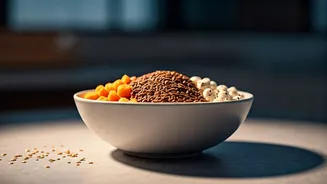
Ragi, jowar, and bajra were once the backbone of the Indian diet before being overshadowed by wheat and rice. Now, these hardy, humble millets are being celebrated as the 'super grains' of the future. Why the renewed interest? Millets are incredibly resilient crops that require little water, making them sustainable and farmer-friendly. For us, they are a nutritional goldmine. Naturally gluten-free, they are an excellent option for those with celiac disease or gluten sensitivity. They are packed with fibre, which aids digestion, keeps you feeling full longer, and helps manage weight. Unlike refined grains, millets are complex carbohydrates with a low glycemic index, meaning they release sugar into the bloodstream slowly. This makes them a fantastic choice for managing blood sugar levels and preventing energy spikes and crashes. Rich in minerals like magnesium, iron, and calcium, they support everything from heart health to bone density.
Moringa: The Everyday Miracle
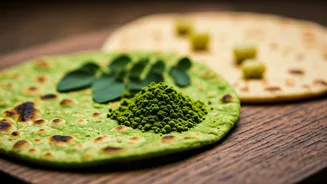
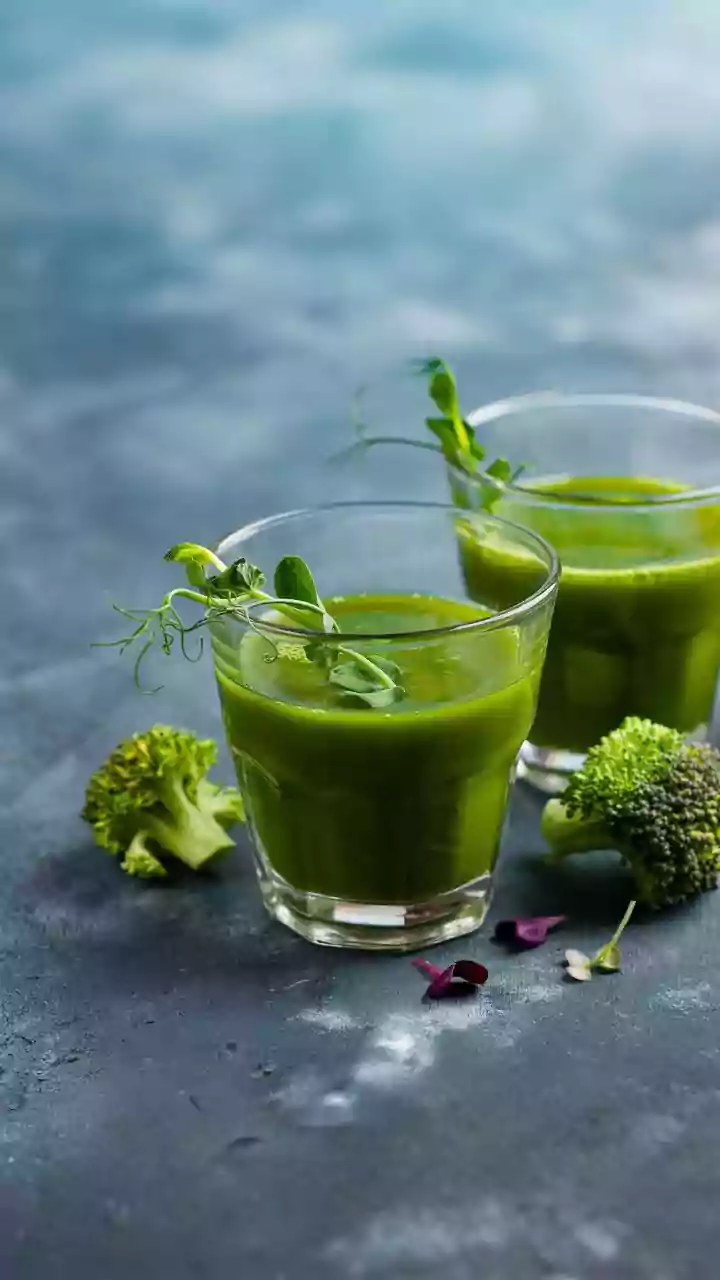
Often called the 'drumstick tree', almost every part of the Moringa oleifera is edible and nutritious, but its leaves are particularly potent. While drumsticks are a beloved ingredient in sambar, the leaves have been used in traditional remedies for centuries. Today, they are hailed globally as a superfood, but they’ve been growing in our backyards all along. Moringa leaves are packed with an incredible array of nutrients: they contain significant amounts of protein, Vitamin B6, Vitamin C, iron, and Vitamin A. Their antioxidant profile is impressive, with compounds like quercetin and chlorogenic acid that help fight inflammation and protect cells from damage. Some studies suggest moringa may also help lower cholesterol and blood sugar levels. Adding a spoonful of moringa powder to your smoothie, dal, or roti dough is a simple way to supercharge your meal with a host of vitamins and minerals that support overall health and vitality.