



Beyond the Conventional Gym
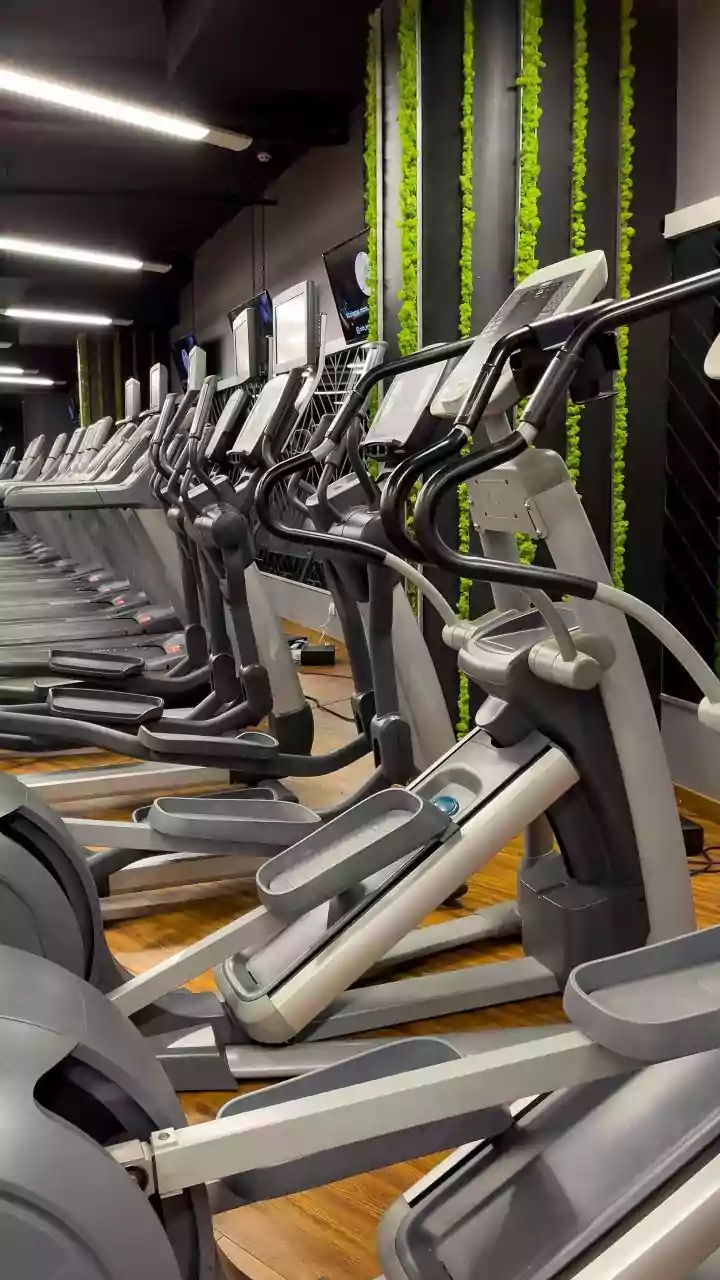
For years, the blueprint for getting fit in urban India seemed imported. Gleaming gyms with rows of machines promised results, focusing on isolated muscle groups and aesthetics. But now, a growing number of fitness enthusiasts are seeking something more.
They are looking for routines that build functional strength, improve mobility, and connect the mind and body. This search for a holistic and authentic approach to wellness has led them to the nation's own rich heritage of physical culture, sparking a revival of practices that were once the domain of wrestlers and warriors. This isn't a rejection of modernity but a powerful fusion of old and new, creating a uniquely Indian fitness identity.
The Akhada Reimagined
The traditional 'akhada'—an earthy Indian wrestling school—was always more than just a place to train. It was a temple of discipline, building formidable strength through bodyweight exercises, or 'dand-baithak', and simple but potent tools. Today, this philosophy is being reborn in 'modern akhadas'. These hybrid gyms blend the wisdom of traditional Indian training with modern fitness science. You might find a power rack next to a collection of Gadas (maces) or see a class that combines high-intensity interval training with 'kushti' (wrestling) drills. The goal is to cultivate all-round fitness—strength, endurance, and mental toughness—honouring the spirit of the original akhadas in a contemporary setting.
The Rise of the Gada and Mudgar
Once wielded by the legendary Bhima and Hanuman, the Gada (mace) is making a dramatic comeback. This centuries-old tool, a long staff with a weighted head, is being embraced for its ability to build phenomenal grip, a powerful core, and robust shoulder strength. Unlike dumbbells that isolate muscles, swinging the Gada requires the entire body to work in unison, developing rotational power and real-world functional strength. Similarly, the Mudgar, or Indian clubs, are being swung in gyms and parks to improve shoulder mobility and endurance. Startups are now manufacturing and selling these traditional tools, making them accessible to a new generation eager for a workout that feels both powerful and deeply rooted.
Mallakhamb: Gravity-Defying Grace
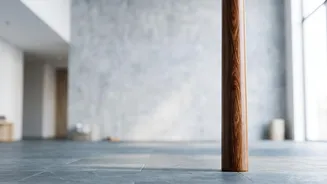
Another tradition finding new life is Mallakhamb, a spectacular sport that combines gymnastics, yoga, and martial arts on a vertical wooden pole or rope. Historically a training method for wrestlers, it develops exceptional flexibility, agility, and strength. Once seen mostly in rural Maharashtra or at cultural festivals, Mallakhamb is now being taught in urban gyms and has even become a competitive sport with national and international championships. Its fluid, gravity-defying movements are not just a test of physical prowess but also a beautiful artistic expression, attracting young people who see it as a complete mind-body discipline.
A Quest for Cultural Connection
So why is this happening now? The trend is powered by more than just a desire for a good workout. For many young Indians, it's a form of cultural reclamation. In a globalised world, there is a growing desire to connect with practices that feel authentic and homegrown. Social media has played a huge role, with influencers and fitness communities showcasing the power and elegance of these ancient methods, reframing them as aspirational lifestyle choices. This revival is part of a broader wellness shift that prioritises long-term health, mental clarity, and a sense of balance—principles that have always been at the core of India’s traditional systems.