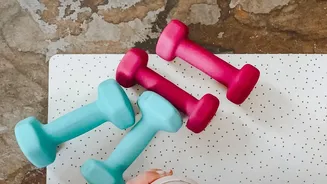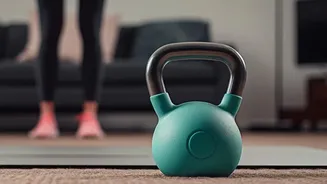






Walking is one of the most accessible forms of exercise, and you don’t even need to leave your house to reap its benefits. At-home walking workouts are a fantastic low-impact option, perfect for beginners or anyone looking for a joint-friendly routine.
Why Walk at Home?
The beauty of an at-home walking workout lies in its simplicity and effectiveness. It requires no special equipment and can be done anywhere, anytime, making it easy to fit into a busy schedule. As a low-impact exercise, it's gentle on your joints, reducing the risk of injury compared to activities like running. This makes it an ideal choice for people of all fitness levels, including those with joint issues or who are just starting a fitness journey. Regular walking, even in place, improves circulation, supports heart health by lowering blood pressure, strengthens leg and abdominal muscles, and can even elevate your mood by releasing endorphins. A brisk 30-minute walk can burn around 200 calories, contributing to weight management over time.
Ways to Walk Indoors
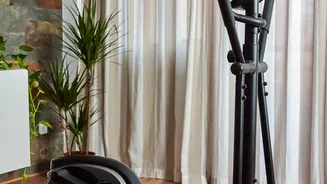
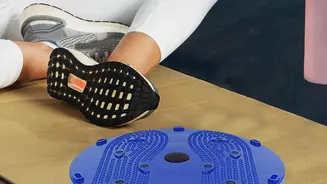
You don't need a treadmill to get a great walking workout at home. The most straightforward method is simply walking or marching in place. To make it more engaging, you can follow along with one of the thousands of free guided walking workout videos available online. These often include a variety of movements like side steps, hamstring curls, and knee lifts set to music, which helps keep things interesting and targets different muscle groups. If you have a fitness tracker, you can set a step goal for yourself and march in place while watching TV or listening to a podcast. For those who do have access to a treadmill, elliptical, or stationary bike, these are also excellent low-impact options for a steady-state cardio session.
Perfecting Your Form
Proper form is crucial to maximize benefits and prevent discomfort. Focus on standing up tall, as if a string is pulling you up from the crown of your head. Avoid hunching over, which can strain your back and restrict breathing. Keep your core engaged by gently pulling your belly button toward your spine, and relax your shoulders back and down. As you walk, whether in place or moving, aim for a natural arm swing to help power your movement and elevate your heart rate. Land on your heel and roll through your foot, pushing off from your big toe. This full range of motion is more effective than a flat-footed shuffle.
Making Your Workout Effective
To get the most out of your indoor walk, focus on intensity and consistency. Aim for a brisk pace that elevates your heart rate. A good rule of thumb is the 'talk test': you should be able to hold a conversation but be slightly out of breath. Incorporating intervals—alternating between a moderate pace and a faster pace for 30 to 60 seconds—is a great way to boost calorie burn and improve cardiovascular fitness. You can also add variety by lifting your knees high, kicking your heels back towards your glutes, or adding in side steps. Playing music with a tempo of around 120–130 beats per minute (BPM) can help you naturally maintain a brisk pace.
Getting Started Safely
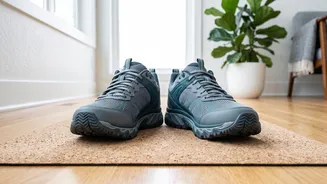
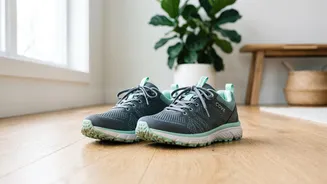
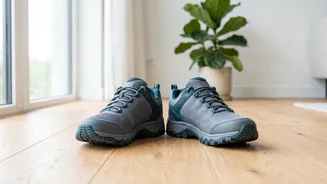
Before you begin any new exercise routine, it's wise to be prepared. Make sure you have a clear, safe space to move around in. While you don't need fancy gear, wearing supportive shoes can provide comfort and stability. Always start your workout with a 5–minute warm–up, such as marching slowly, to prepare your muscles and joints for activity. Similarly, end with a 5–minute cool–down and some gentle stretching to help prevent soreness. Most importantly, listen to your body. Start slowly and gradually increase the duration and intensity of your walks as you get stronger. If you feel any sharp pain, stop immediately.