





The Burning Problem with EV Batteries
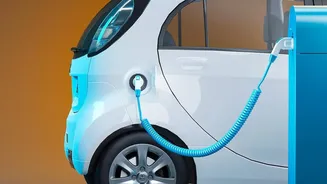
The heart of nearly every electric vehicle on the road today is a lithium-ion battery. These power packs are incredibly energy-dense, but they have a well-known vulnerability. Inside each battery is a liquid electrolyte, a chemical soup that allows charged
particles to flow between the positive and negative electrodes. This liquid is highly flammable. If a battery is damaged, overheats, or develops an internal short circuit, this electrolyte can ignite, leading to intense fires that are difficult to extinguish. Researchers have been working for years to find a safer alternative, and it turns out the answer might not be in a synthetic chemical, but in one of the most abundant natural polymers on Earth.
A Solution from the Soil
The breakthrough material is lignin, a complex polymer that gives plants and trees their rigidity. It is a major byproduct of the paper and biofuel industries, with millions of tonnes produced as waste every year. For a long time, most of this lignin was simply burned for energy. Now, researchers see it as a key ingredient for the next generation of safer batteries. By processing this organic waste, scientists can create a stable, non-flammable substance that can replace the volatile liquid electrolytes currently in use. This approach not only tackles the critical safety issue but also creates a high-value product from something previously discarded.
How Lignin Makes Batteries Safer
Instead of a flammable liquid, lignin can be used to create either a solid or gel-based electrolyte. These materials are inherently stable and not combustible. Research from institutions like Michigan State University has shown that lignin-based separators—thin films that keep electrodes from touching—can withstand temperatures up to 300 degrees Celsius, whereas traditional plastic separators can fail near 100 degrees Celsius. By preventing these internal short circuits, lignin dramatically reduces the risk of fire. Furthermore, these new electrolytes can be formulated as ionic liquids or polymer gels that have high thermal stability and good ionic conductivity, meaning they perform the essential function of an electrolyte without the associated fire risk.
From Waste to Watts
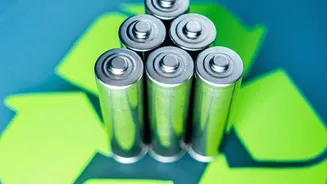
The environmental benefits extend far beyond just safety. Using lignin promotes a circular economy, turning a massive industrial waste stream into a critical component for green technology. It reduces our reliance on the synthetic, often toxic, chemicals used in conventional battery manufacturing. Some research teams have even developed dry processing methods for creating lignin components, which avoids the use of harmful solvents and creates virtually no waste. This dual benefit of enhanced safety and sustainability makes lignin-based batteries an incredibly attractive prospect for an industry striving to be as green as possible from production to performance.
The Road to Reality
While the laboratory results are promising, there are still hurdles to overcome before lignin-based batteries are powering your family car. Researchers are working to improve the long-term stability and performance to match and exceed current standards, aiming for batteries that can last for at least 1000 charge cycles. Challenges include dealing with lignin's natural variability and ensuring consistent performance at a large scale. However, the potential is enormous. Major companies are already investing in refining lignin into battery-grade carbon materials. This technology is not just a concept; it is an active area of development that could fundamentally change the safety and sustainability of electric vehicles and large-scale energy storage in the coming years.