



Echoes from the Royal Zenana
For centuries, the zenanas, or women's quarters, of India's royal palaces were centres of highly sophisticated beauty culture. Far from being simple routines, skincare was a ritualised practice overseen by physicians and apothecaries. Queens and princesses
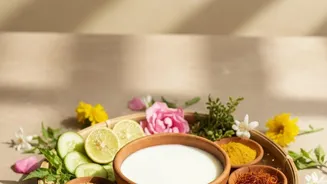
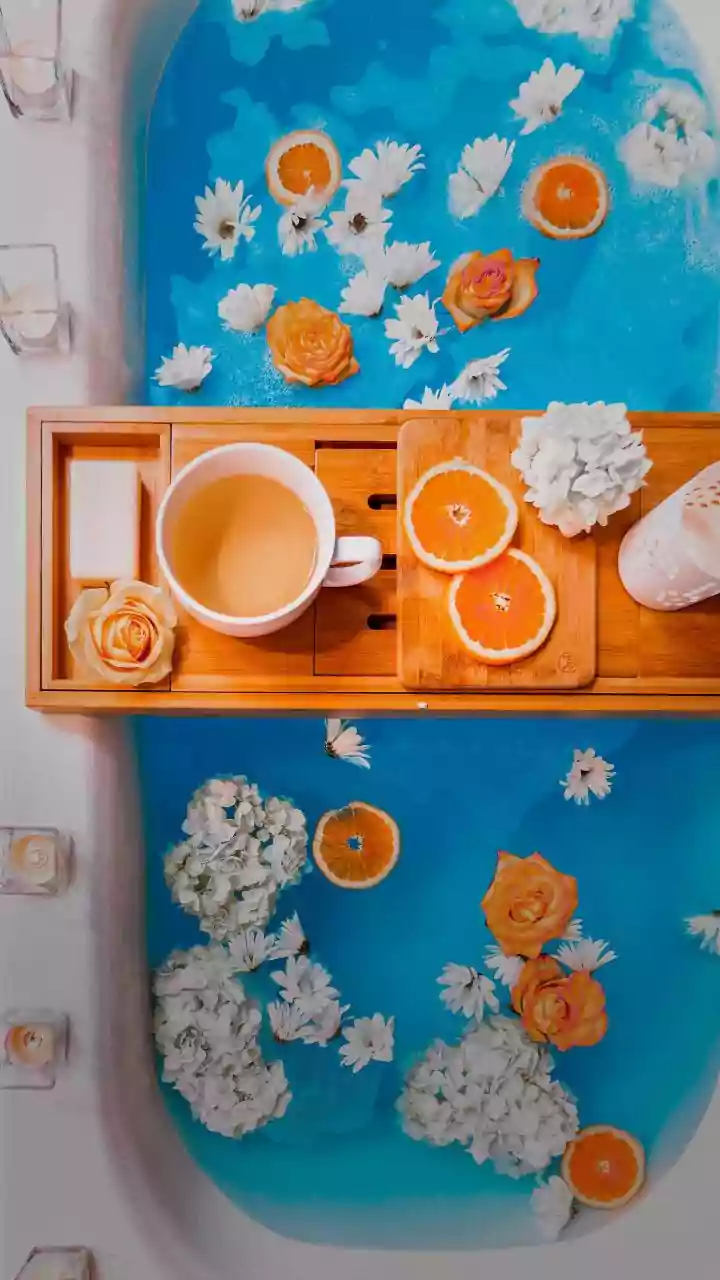
across various kingdoms, from the Rajputs in the arid west to the rulers of Travancore in the tropical south, had access to personalised formulations rooted in Ayurvedic principles. These weren't just for cosmetic enhancement; they were designed to cool the skin, protect it from harsh climates, reduce inflammation, and promote a natural, healthy glow. Legendary figures like the Mughal empress Nur Jahan were known for their elaborate rituals, from bathing in milk and rose water to popularising fragrant 'attars'. These traditions, passed down through generations, formed a deep-seated legacy of botanical beauty.
The Royal Apothecary’s Shelf
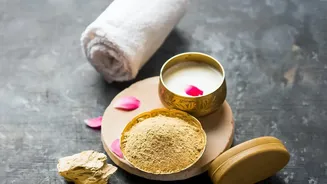
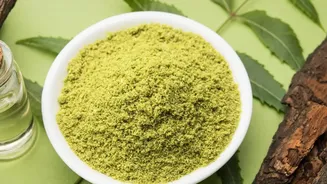
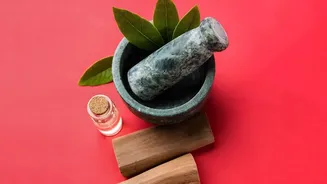
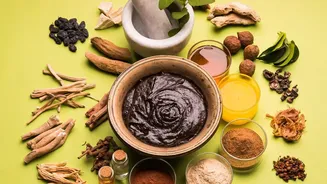
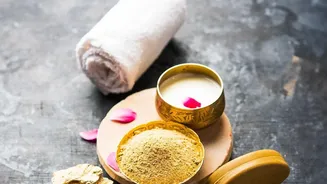
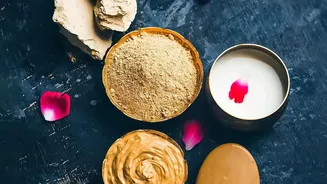
The ingredients used in these royal rituals read like a list of today's most coveted natural actives. Saffron, or 'Kesar', was a prized ingredient, often soaked in milk for face packs and baths to brighten the complexion and reduce pigmentation. Sandalwood, or 'Chandan', was treasured for its cooling and anti-inflammatory properties, ideal for soothing skin in hot climates. Turmeric was a staple for its purifying and antibacterial benefits, while Multani Mitti (Fuller's Earth) was used in cleansing masks to absorb excess oil. Potent formulations like Kumkumadi Thailam—an oil infusion of over 20 herbs including saffron, sandalwood, and lotus—were used as night serums to improve skin texture and impart a youthful radiance. These ingredients were not chosen randomly; their use was based on centuries of Ayurvedic knowledge about their specific benefits for skin health.
From Palace Rituals to Packaged Potions
Today, the Indian beauty market is booming, with the Ayurvedic skincare segment alone projected to grow significantly. A new generation of homegrown brands has successfully tapped into this rich history, translating ancient royal recipes into luxurious, modern products. Brands like Forest Essentials and Kama Ayurveda have pioneered this space, positioning themselves as purveyors of 'luxury Ayurveda'. They have popularised traditional formulations like Ubtans (cleansing grains) and herbal oils, making them accessible to a global audience. This fusion of heritage with modern scientific understanding and elegant packaging has resonated deeply with consumers seeking authenticity and clean ingredients. International giants have taken note, with companies like Estée Lauder and Puig investing heavily in these Indian brands, signaling a major global validation of this trend.
The Power of a Royal Narrative
Marketing plays a crucial role in this revival. The 'royal' narrative is incredibly powerful, evoking a sense of time-tested efficacy, unparalleled luxury, and natural purity. It suggests that these are not fleeting trends but secrets that have beautified royalty for centuries. Brands artfully weave these stories into their identity, from product names that reference ancient texts to packaging that reflects palatial aesthetics. This storytelling is amplified through digital channels, where social media and influencer marketing educate a new generation about the benefits of hair oiling or the science behind herbal extracts. For many consumers, buying a saffron-infused serum is not just a skincare purchase; it's a way to connect with their heritage and indulge in a 'momentary retreat into luxury'.
Authenticity in a Gilded Bottle
As the market becomes more crowded, however, the line between authentic Ayurvedic formulation and clever marketing can blur. The term 'Ayurveda' itself is not always regulated, leading to scrutiny over whether all products are true to the ancient principles. Discerning consumers are encouraged to look beyond the royal story and examine the brand's practices. Key indicators of authenticity include a commitment to classical Ayurvedic recipes, transparency in ingredient sourcing, and a focus on efficacy over excessive fragrance or luxury feel. While some brands focus on the sensorial experience, others adopt a more clinical, treatment-based approach, sometimes co-creating products with Ayurvedic hospitals. Ultimately, the most trusted brands are those that successfully blend the wisdom of the past with the evidence-based standards of the present.