



What Exactly Are 'Salt-Based' Batteries?
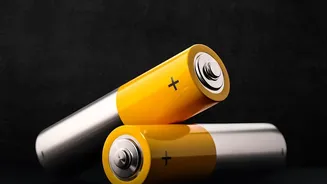
When we talk about 'salt-based' batteries, we're primarily referring to sodium-ion batteries. Their basic principle is similar to the lithium-ion batteries currently powering most electric vehicles and smartphones. In any battery, charged particles (ions)
move between a positive electrode (cathode) and a negative electrode (anode) to store and release energy. In a lithium-ion battery, those particles are lithium. In a sodium-ion battery, they are, as the name suggests, sodium. This simple switch in the core chemical element is what unlocks a cascade of cost-saving benefits.
The Biggest Factor: Abundant and Cheap Raw Materials
The most significant advantage of sodium-ion technology is the staggering abundance of its key ingredient. Sodium is the sixth most common element on Earth, found everywhere in rock salts and seawater. It is estimated to be at least 500 times more plentiful than lithium. This has a direct and dramatic impact on cost. While lithium prices can be volatile and are subject to geopolitical tensions due to concentrated mining in a few countries, sodium is inexpensive and globally available. Furthermore, many sodium-ion battery designs eliminate the need for other expensive and ethically complicated materials like cobalt and nickel, further driving down the raw material bill.
Simpler Supply Chains and Manufacturing
Relying on sodium significantly de-risks the supply chain for manufacturers in India. It reduces dependence on imported lithium, aligning perfectly with national goals for self-reliance, or 'Atmanirbhar Bharat'. The cost benefits extend into the manufacturing process itself. For example, sodium-ion batteries can use aluminum as the current collector for the anode, which is cheaper than the copper foil required in lithium-ion batteries. Crucially, sodium-ion cells can be produced on existing lithium-ion battery manufacturing lines with only minor modifications. This means companies don't need to build entirely new factories from scratch, saving immense capital and accelerating the technology's path to market.
A Perfect Match for Entry-Level Scooters
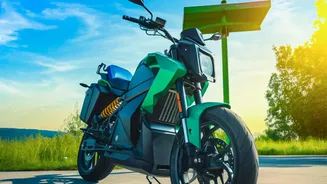
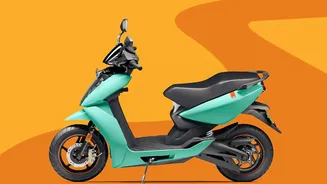
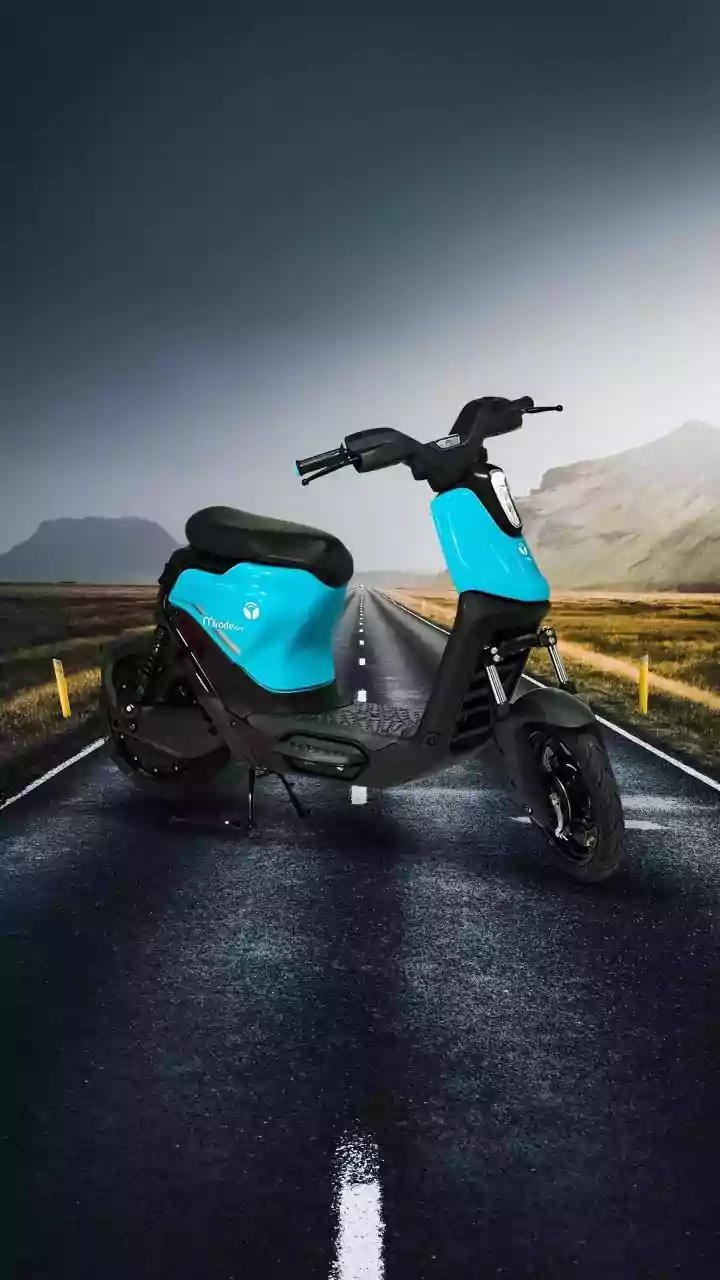
While sodium-ion batteries are a breakthrough, they do have a trade-off: lower energy density. This means a sodium-ion battery is typically larger and heavier than a lithium-ion battery of the same capacity. While this is a challenge for high-performance electric cars demanding long range, it is far less of an issue for entry-level electric scooters. These vehicles are primarily used for shorter, urban commutes where a massive range is not the top priority. For these use cases, the benefits of lower cost, enhanced safety, and better performance in extreme temperatures—sodium-ion batteries handle India's intense summer heat more gracefully than some lithium chemistries—far outweigh the slight disadvantage in energy density. Their enhanced thermal stability means a lower risk of fire, a major safety concern for consumers.
What This Means for the Indian Market
The implications for India are huge. Industry estimates suggest sodium-ion batteries could eventually be 20-30% cheaper to produce than their lithium-ion counterparts. This technology is seen as a key enabler for bringing down the upfront cost of electric scooters, potentially breaking the psychologically important ₹1 lakh price barrier for good. Several Indian companies, including Reliance Industries, KPIT Technologies, and others, are actively developing or investing in sodium-ion technology. While commercial-scale production is still in its early stages, the path is clear. This innovation isn't just about making EVs cheaper; it's about making them more practical, safer, and more accessible for the millions of Indians who rely on two-wheelers for daily transport.