



The Tale of Two Grains
The story of the price difference begins in the field. Rice is one of the world's most widely cultivated crops, grown in vast, water-rich paddies across Asia, including extensively in India. Its production is well-established, highly mechanised, and benefits
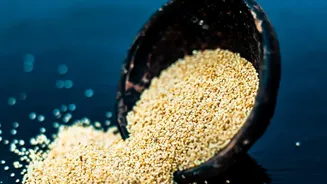
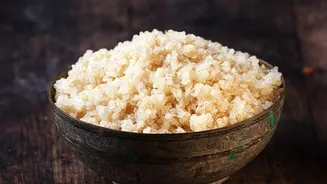
from centuries of agricultural optimisation, leading to high yields and lower costs. Quinoa, on the other hand, is a much more specialised crop. Traditionally grown in the Andean regions of South America, it thrives in specific high-altitude conditions. While its cultivation is expanding, including in parts of India, it remains a smaller-scale operation compared to rice. Quinoa farming can be more labour-intensive and often yields less per hectare, making the raw grain itself more expensive to produce from the start.
The Complicated Cleaning Process
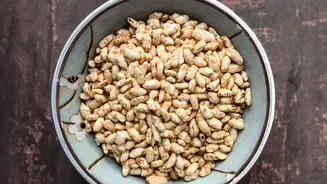
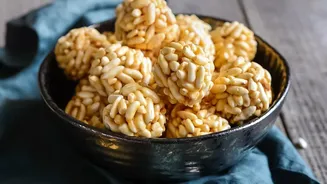
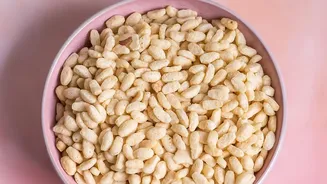
Getting the grain from the farm is only half the battle. The process of turning rice into 'murmura' or puffed rice is relatively straightforward and cost-effective. It involves heating the rice kernels until the moisture inside turns to steam and expands, puffing the grain. This can be done using various methods, from traditional sand-roasting to modern pressure puffing. Quinoa requires a crucial, costly extra step. The raw seeds are naturally coated in a substance called saponin, which has a bitter taste. This coating must be removed through a process of washing or mechanical abrasion, which adds time, labour, and expense. In fact, inefficient or incomplete saponin removal can affect the final product's taste, making this a critical and non-negotiable part of production.
A Nutritional Powerhouse vs. a Light Snack
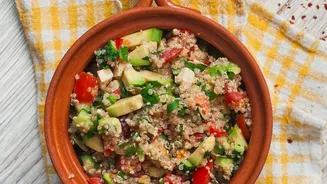
A significant portion of quinoa's premium price is tied to its dense nutritional profile. Quinoa is celebrated as a 'complete protein', meaning it contains all nine essential amino acids, which is rare for a plant-based food. It's also packed with significantly more dietary fibre, protein, and essential minerals like iron and magnesium compared to puffed rice. For instance, a serving of quinoa can offer up to four times more protein and over ten times more fibre than an equivalent amount of puffed rice. Puffed rice, while a fantastic low-calorie and light snack, is primarily a source of simple carbohydrates and lacks the nutritional density of its competitor. This nutritional superiority is a key selling point that manufacturers leverage to justify the higher cost.
The 'Superfood' Surge in Demand
Market dynamics play a huge role in the final price you pay. Puffed rice is a traditional, widely available product with stable demand. Quinoa, however, has benefited from a massive global wellness trend, earning the coveted 'superfood' label. This has caused a surge in demand in recent years, including in India, where the market is expected to grow significantly. This classic supply-and-demand scenario has driven up prices. Furthermore, quinoa products are often marketed as premium, gluten-free, and health-focused alternatives, targeting a specific consumer segment willing to pay more for perceived health benefits. This marketing and branding add to the final retail cost, positioning it as a gourmet health product rather than a simple pantry staple.