






The All-Inclusive Bubble
Hotels offer a bewildering soup of meal plan acronyms: EP (no meals), CP (breakfast only), MAP (breakfast and one other meal), and AP (all three meals). At the top of this pyramid sits the All-Inclusive (AI) plan, promising a worry-free escape where your
wallet can stay locked in the safe. The appeal is obvious, especially for families or those on a strict budget. It simplifies planning and creates a predictable cost structure. But this convenience erects a comfortable wall between the traveller and the destination. Confined to the resort's buffets and themed restaurants, guests exist in a bubble. While this can be relaxing, it often means missing out on the authentic pulse of a place, which is so often found in its food. The resort experience becomes interchangeable, whether you are in Goa, the Caribbean, or Mexico.
The Hidden Cost to Local Communities
When travellers stay within their resort walls for every meal, local businesses suffer. Independent restaurants, street food vendors, and small cafes miss out on crucial tourism revenue. Studies have shown that in many all-inclusive models, a significant portion of the tourist's expenditure—sometimes as high as 80%—goes to international hotel chains and airlines, not to local business owners. This phenomenon, known as 'economic leakage,' prevents tourism dollars from circulating within and strengthening the local economy. Furthermore, large resorts often import food to cater to international tastes, bypassing local farmers and producers. This not only reduces the economic benefit for the community but can foster resentment toward a tourism model that seems to exploit rather than enrich the destination.
Food Is Culture, Not Just Fuel
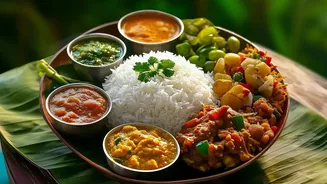
Travel is about discovery, and one of the most direct ways to connect with a new culture is through its cuisine. Food tells the story of a region's history, geography, and traditions. Opting for a generic hotel buffet over a local thali in Rajasthan or a family-run trattoria in Italy means you're not just missing a meal; you're missing a story, an interaction, and a genuine cultural exchange. Culinary tourism is a growing movement for a reason: travellers increasingly recognise that food is a powerful gateway to authentic experiences. It supports the preservation of culinary heritage and provides a deeper, more memorable connection to a place that a hotel's 'International Night' buffet simply cannot replicate.
A Smarter Way to Structure Meal Plans
The solution isn't to abolish meal plans, but to make them smarter and more context-aware. In a remote location with few outside dining options, an American Plan (full board) or All-Inclusive package makes perfect sense. However, in a city bursting with culinary options like Delhi or Mumbai, a European Plan (room only) or Continental Plan (breakfast only) is far more logical, freeing up guests to explore. Some innovative hotels are already bridging this gap. They offer 'dine-around' programs that partner with local restaurants, or they bring the local flavour in-house. Properties like Finca Serena in Mallorca and The Rooster in Greece build their menus almost entirely around produce from their own gardens and local farms. Others, like Casa di Langa in Italy, offer guests immersive experiences like truffle hunting and cooking classes that celebrate the region's specific culinary heritage.
How to Choose Your Next Holiday Meal Plan
Before you book your next trip, take a moment to consider the destination's food landscape. Ask yourself a few key questions: Is the hotel in a remote area or a bustling city? Is the local food scene a major part of the destination's appeal? How much do I want to explore versus relax at the resort? If you're heading to a secluded beach resort, an all-inclusive plan can be the height of relaxation. But if you're visiting a place renowned for its street food, vibrant markets, and unique restaurants, booking a room-only rate is an act of self-care for the adventurous traveller. It gives you the freedom to eat what you want, when you want, and truly taste the place you're visiting. Look for hotels that champion local sourcing and offer authentic culinary experiences—they are increasingly highlighting these features.