



A New Space Race on the Ground
For decades, a career in India's space sector was synonymous with the Indian Space Research Organisation (ISRO). But since the government opened the field to private enterprise in 2020, the landscape has transformed. India now hosts over 400 space-tech
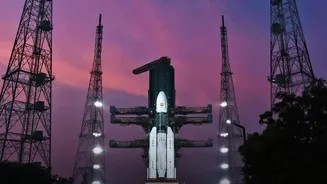
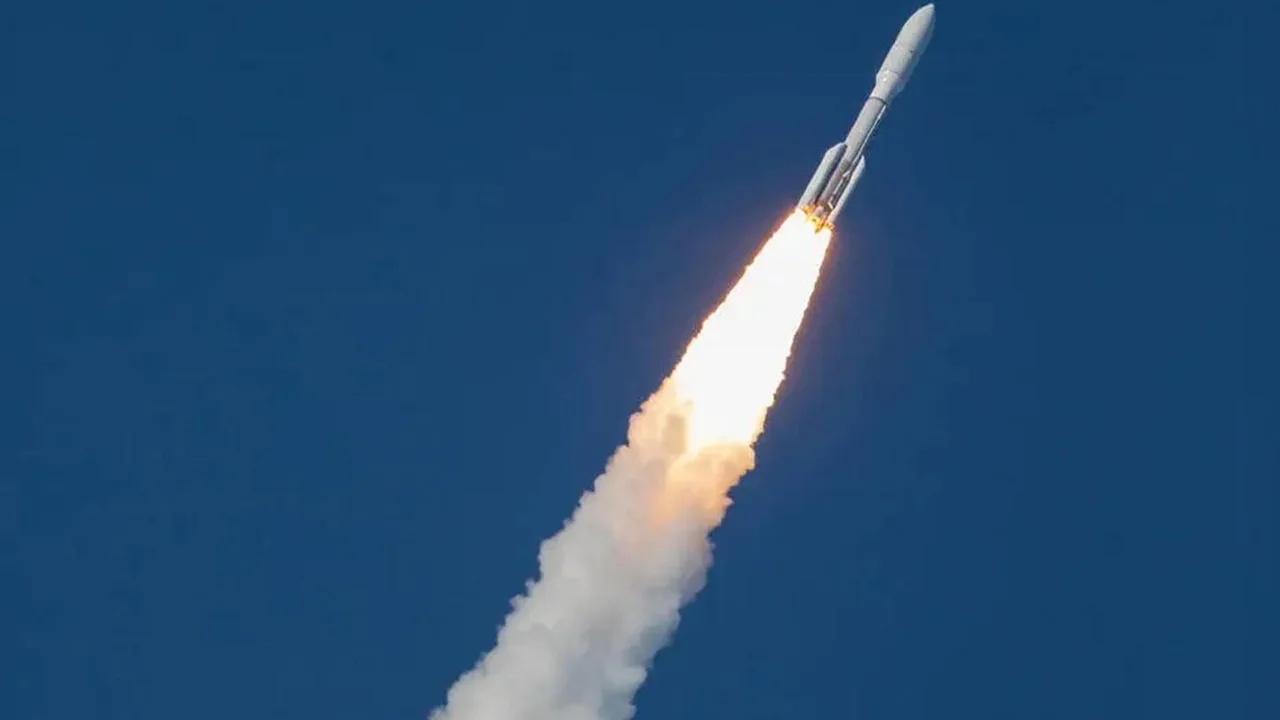
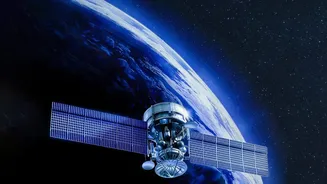
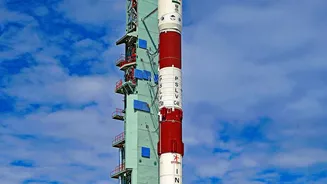
startups, attracting significant investment and fundamentally changing the job market. Companies like Skyroot Aerospace, Agnikul Cosmos, and Pixxel are now major recruiters, building everything from launch vehicles to satellite constellations. This public-private partnership, facilitated by the regulatory body IN-SPACe, is the engine behind a projected fivefold expansion of India's space economy to $44 billion by 2033, creating tens of thousands of new roles.
Software Is the New Rocket Fuel
While aerospace engineers remain vital, the fastest-growing opportunities are now in software. Modern space missions run on code, from a rocket's guidance system to a satellite's autonomous navigation. This has created immense demand for software engineers with skills in C++, Python, and embedded systems. Unlike typical tech jobs, aerospace software demands extreme reliability and real-time performance, where a single bug can jeopardise a multi-crore mission. The most significant growth is in Artificial Intelligence and Machine Learning (AI/ML), which are used for everything from autonomous spacecraft operations to predictive maintenance. ISRO itself is increasingly integrating AI for mission design, data processing, and robotics.
Data, the Universe of Opportunity
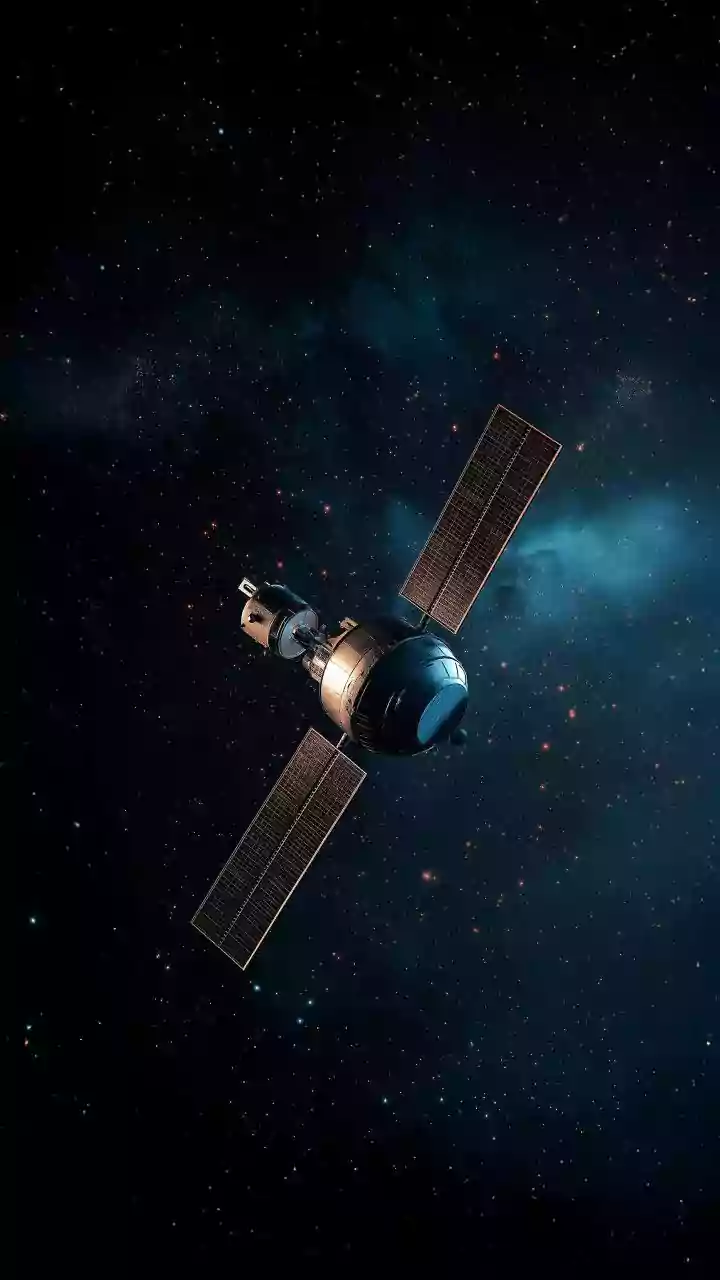
Every satellite and space mission generates enormous volumes of data. The real value is unlocked by those who can interpret it. This has spurred a demand for data analysts and remote sensing experts who can process satellite imagery and signals. These professionals turn raw data into actionable insights for diverse sectors like agriculture, climate monitoring, defence, and urban planning. Companies such as SatSure and MapmyIndia are actively recruiting people skilled in geospatial analysis (GIS) to build data products that forecast crop yields or manage infrastructure. As India launches more Earth observation satellites, the need for professionals who can work with petabyte-scale datasets will only grow.
Advanced Manufacturing and Design
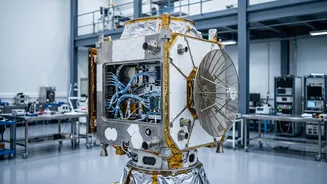
The new space ecosystem also requires a fresh approach to building hardware. Startups are looking for engineers with experience in advanced manufacturing, 3D printing (additive manufacturing), robotics, and materials science. These skills are crucial for developing next-generation rockets, engines, and lightweight satellites more efficiently. There is a shortage of professionals with hands-on experience in complex systems like Guidance, Navigation, and Control (GNC), propulsion, and payload integration. As a result, companies are actively recruiting talent from adjacent industries like automotive, defence electronics, and precision manufacturing to bridge the gap.
Beyond Engineering: The Broader Ecosystem
The expansion of the space industry isn't limited to technical roles. As the sector commercialises, it creates a need for professionals in fields that were previously on the periphery. This includes experts in space law and policy to navigate the new regulatory landscape, as well as business development and project management specialists to steer companies in the growing market. Science communicators are also needed to bridge the gap between complex missions and the public. This broadening of roles makes the space sector more accessible than ever to graduates from management, law, and social science backgrounds who develop the necessary domain knowledge.