




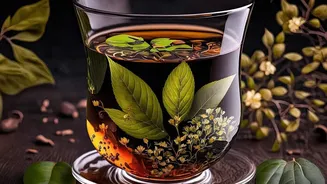
Why Nilgiri is Perfect for Cold Brew
Often called the 'third sibling' to the more famous Assam and Darjeeling teas, Nilgiri tea comes from the Blue Mountains of Southern India. It boasts a uniquely smooth, floral, and brisk character. Unlike bolder black teas that can become bitter, Nilgiri has
very low astringency, making it naturally mellow and clean-tasting. This balanced profile is what makes it an exceptional candidate for cold brewing. The slow, cold infusion process extracts its delicate fruity and floral notes without releasing the bitter tannins that hot water can draw out. The result is a naturally sweet-tasting, incredibly smooth brew that is perfect for summer sipping.
The Simple Art of Cold Brewing
Making cold brew tea couldn't be easier and requires no special equipment. The basic principle is using time, not heat, to extract flavour. As a general rule, use about one to two teaspoons of loose-leaf Nilgiri tea for every 250ml of cold, filtered water. Simply combine the tea leaves and water in a glass jar or pitcher. Stir gently, cover, and place it in the refrigerator for 8 to 12 hours, or even overnight. The longer it steeps, the stronger the flavour will be, but the beauty of cold brewing is that it's very forgiving and hard to over-steep. Once it has reached your desired strength, simply strain the leaves out, and your cold brew base is ready.
Finding the Perfect Fruit Pairings
The magic of these blends lies in the harmony between the tea and fresh, local fruits. Nilgiri’s bright profile pairs wonderfully with a wide array of flavours. For a classic citrus note, think about adding slices of mosambi (sweet lime), orange, or even pomelo. Stone fruits like peaches, plums, and apricots add a fragrant sweetness that complements the tea beautifully. Berries, such as strawberries or the wonderfully tart jamun, can infuse the brew with vibrant colour and flavour. For a more tropical twist, consider mango or passion fruit. To get the most flavour, you can muddle the fruit slightly before adding it to your brew.
Recipe 1: Sparkling Jamun & Mint Cooler
This beverage is a stunning deep purple and is as refreshing as it is beautiful. Start by preparing your Nilgiri cold brew as described above. In a separate bowl, take a handful of fresh jamun (pitted) and a few mint leaves and muddle them gently to release their juices and oils. Add this mixture to your strained cold brew and let it infuse for another hour in the refrigerator. When you're ready to serve, pour the infused tea into glasses filled with ice. Top with a splash of plain soda or sparkling water for a festive fizz. The tartness of the jamun balanced with the cool mint is a perfect match for the smooth tea.
Recipe 2: Spiced Mango & Ginger Infusion
For a drink with a bit more warmth and spice, this mango and ginger blend is ideal. To your jar of Nilgiri tea and water, add several thin slices of ripe mango and a few slivers of fresh ginger before you begin the cold brewing process. The flavours will infuse slowly overnight along with the tea. The sweetness from the mango and the gentle heat from the ginger create a complex, aromatic beverage that needs no added sugar. A cinnamon stick can also be added for an extra layer of spice. Strain everything together when the brew is complete and serve over ice for a truly sophisticated drink.
Sweetness Without the Sugar
The goal is a low-sugar beverage that lets the natural flavours shine. Cold brewing itself produces a less bitter, sweeter-tasting tea. Often, the infused fruit provides all the sweetness you need. If you do prefer a sweeter drink, there are several natural alternatives to refined sugar. A small drizzle of honey or agave nectar can be dissolved in a little warm water before being mixed in. For a zero-calorie option, stevia or monk fruit sweetener are also effective choices. Remember, a little goes a long way, especially with these potent natural sweeteners.