




Beyond the Metro Bubble
The narrative of modern India is often written in the ink of its megacities—Delhi, Mumbai, Bengaluru. But when it comes to cultural trends, the script is flipping. In towns like Lucknow, Indore, and Coimbatore, a quiet but powerful revolution is unfolding
in an unlikely arena: the bathroom shelf. For young people in these non-metro areas, skincare has transcended the traditional trifecta of soap, talc, and cold cream. It has become a sophisticated, multi-step ritual, a topic of intense discussion, and a fundamental part of their lifestyle. This isn't just about chasing a trend seen on TV; it's a deeper shift reflecting profound changes in access, aspiration, and self-perception.
The Great Digital Democratisation
The single biggest catalyst for this change is the smartphone. High-speed internet and the ubiquity of social media platforms like Instagram and YouTube have effectively dismantled the geographical barriers that once dictated trends. A teenager in Tiruchirappalli now has the same access to a Korean skincare tutorial or a dermatologist’s guide to niacinamide as their counterpart in Bandra. E-commerce platforms and a boom in direct-to-consumer (D2C) brands have ensured that this newfound knowledge is actionable. Products that were once exclusive to high-end stores in major malls can now be delivered to almost any pin code, often at affordable price points. This digital access has created a generation of highly informed consumers who are fluent in the language of active ingredients, from hyaluronic acid to retinol.
Skincare as Modern Self-Care
To dismiss this phenomenon as mere vanity would be to miss the point entirely. For many, the structured routine of skincare is a form of mindfulness—a predictable, calming ritual in a world of academic pressure and career uncertainty. It's a few minutes of the day dedicated solely to oneself. This aligns with a global shift towards wellness and mental health, where self-care is framed as a necessity, not an indulgence. The act of researching products, understanding one's skin type, and seeing tangible results provides a sense of control and accomplishment. It’s a proactive way to invest in oneself, building confidence that radiates from the inside out. In this context, a bottle of serum isn’t just a cosmetic product; it’s a tool for well-being.
An Expression of Global Identity
Participating in the skincare conversation is also a way for non-metro youth to connect with global culture. Following the same trends, using the same brands, and discussing the same ingredients as influencers in Seoul, New York, or Mumbai makes them feel part of a worldwide community. It’s an expression of modernity and a rejection of the outdated idea that being from a smaller town means being 'less than'. This aspiration is not just about looking good; it's about being seen as informed, sophisticated, and worldly. Many are also moving from being consumers to creators, using their platforms to review products in regional languages, build communities, and even launch their own small businesses, further embedding skincare into the local economic and social fabric.
The New Status Symbol
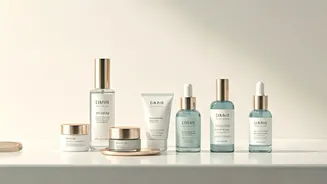
In a social landscape where traditional status symbols are evolving, a 'shelfie' showcasing a curated collection of skincare products has become a new form of social currency. It signals not wealth in the old-fashioned sense, but knowledge, discipline, and a commitment to self-improvement. It tells a story of a person who is discerning, patient, and invested in their long-term well-being. This shift from conspicuous consumption of logos to the more subtle showcase of personal care routines marks a significant evolution in how young Indians define and display success and personal value.