





Step 1: Get Real with Your Numbers
A makeover starts with an honest look in the mirror. For your budget, this means understanding exactly where your money is going now. Spend a week or two tracking every single expense, from your morning coffee to your monthly subscriptions. Use a simple
notebook or a budgeting app to get a clear picture of your spending habits. This isn't about judging your past purchases; it's about finding the cash that can be redirected towards your travel goal. You might be surprised to find how much you can free up by cutting back on just a few non-essential purchases. This initial audit is the foundation of your entire financial transformation.
Step 2: Create a Dedicated Travel Fund
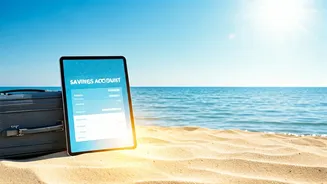
Out of sight, out of mind—and ready for your trip. Once you know how much you can realistically set aside, the most effective step is to open a separate savings account specifically for your travel fund. This creates a psychological barrier, making you less likely to dip into it for everyday expenses. Label it 'My Solo Adventure' or something equally inspiring. Then, set up automatic transfers from your primary account for each pay cycle. Automating your savings means you're paying your future self first, ensuring your travel fund grows consistently without requiring constant willpower. Watching that balance grow is a powerful motivator.
Step 3: Build a Smart Trip Budget
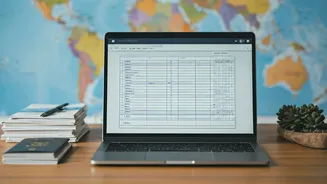
Now for the fun part: planning the trip itself. Start by researching the major costs for your chosen destination: flights, accommodation, and any visas. Then, estimate daily expenses for food, local transport, and activities. Websites like Budget Your Trip can provide helpful averages. A good rule of thumb is to build a core budget for the essentials, and then add an 'experience layer' for the things that will make your trip special. Crucially, always add a 15-20% contingency fund for unexpected costs, like a missed train or a must-have souvenir. This detailed plan turns a vague dream into a concrete financial target.
Step 4: Master the Art of Solo Savings
Traveling alone sometimes comes with extra costs, but there are clever ways to avoid them. The 'single supplement,' an extra fee for a private room on tours or cruises, is a common pain point. You can often avoid this by booking with companies that specialize in solo travel, offer roommate matching, or by traveling in the off-season when they're more likely to waive fees. For accommodation, look beyond traditional hotels. Hostels, guesthouses, and homestays are not only cheaper but are also fantastic places to meet other travelers. Eating local street food instead of tourist-trap restaurants is another classic way to save money and have a more authentic experience.
Step 5: Choose Your Digital Toolkit
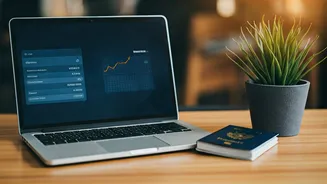
In 2026, you don't need a complex spreadsheet to manage your money on the go (unless you want one). A host of travel-friendly budgeting apps can help you track expenses in real time. Apps like TravelSpend and Trail Wallet are designed for travelers, allowing you to set daily budgets and handle multiple currencies with ease. For pre-trip savings, tools like YNAB (You Need A Budget) can help you implement a disciplined plan. The key is to find a tool that you will actually use. Download it and get comfortable with it before you leave, so tracking expenses becomes a quick, effortless habit while you're on the road.
Step 6: Practice Smart Spending On the Road
Your budgeting makeover doesn't stop when the trip starts. While traveling, make a habit of briefly reviewing your spending at the end of each day. This helps you catch any overspending early and adjust for the next day. Always carry a mix of payment methods, including some local currency for small purchases and a credit card that doesn't charge foreign transaction fees. Be flexible; if you overspend on a fantastic meal one day, look for free activities the next, like exploring a park or joining a free walking tour. This mindful approach to spending ensures you stay within your budget without feeling restricted.