


Prepare a Sanctuary Room
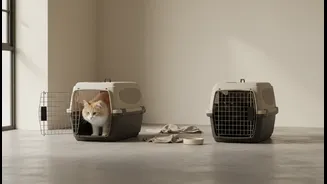
Before the new cat even arrives, the first step is to prepare a dedicated “sanctuary room.” This could be a spare bedroom or even a bathroom—any space with a door that can be securely closed. Equip this room with everything the new cat will need: a litter
box, food and water bowls, a comfortable bed, toys, and a hiding spot like a covered carrier. This room will be the new cat’s safe zone for the first several days to a week. It allows them to decompress from the stress of a new environment without the added pressure of facing another cat immediately. This separation is non-negotiable for a peaceful start.
The Language of Scent
A cat's primary sense for understanding the world is smell. A proper introduction begins with scent, not sight. Start by doing a “scent swap.” Take a clean cloth or sock and gently rub it on the new cat's cheeks and head to pick up their pheromones. Place this item in your resident cat’s space for them to investigate. Do the same for your new cat, using a different cloth scented by your resident pet. You can pair the introduction of the new scent with a high-value treat to build a positive association. After a few days of this, you can also swap their bedding or even brush them with the same brush to create a communal “group scent.”
Explore Each Other's Territory
Once the cats seem calm about each other's scents (no hissing or avoiding the scented items), you can initiate a site swap. Place your resident cat in the sanctuary room (with their own food and water) and allow the new cat to explore the main part of the house for an hour or two. Then, switch them back. This allows each cat to investigate the other’s territory and become more familiar with their scent profile without direct confrontation. This step is crucial for normalizing the other cat’s presence throughout the home before they ever have to share the space at the same time.
First Visual Contact
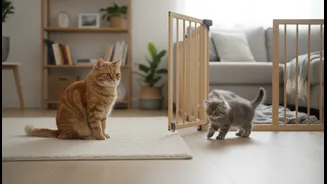
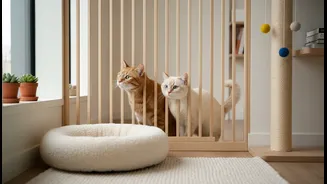
The first time the cats see each other should be controlled and brief. Use two stacked baby gates, a screen door, or prop a door open just a crack. This allows them to see and smell each other without any risk of physical contact. Make these first visual meetings positive by feeding them or giving them special treats on their respective sides of the barrier. The goal is for them to associate seeing each other with something pleasant. Keep these sessions short, and if you see any signs of aggression like intense hissing, growling, or flattened ears, end the session and go back a step.
Supervised Face-to-Face Meetings
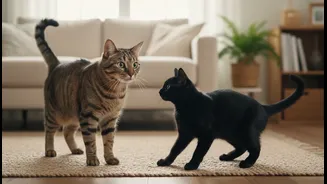
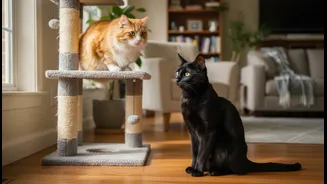
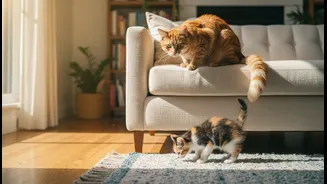
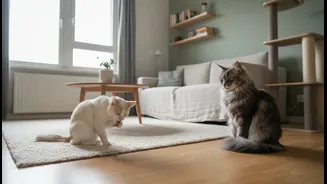
When both cats are consistently calm during visual contact, you can try short, supervised meetings in the same room. It’s best to do this in a neutral space if possible. Keep the first few interactions very brief—just a couple of minutes. Have toys ready to distract them and keep the mood light. Watch their body language closely. A little bit of tension or a minor hiss is normal, but don't let it escalate into a fight. Never let them “fight it out,” as this can create permanent animosity. End every session on a positive note, gradually increasing the time they spend together as they become more comfortable.
Reading the Signs and Being Patient
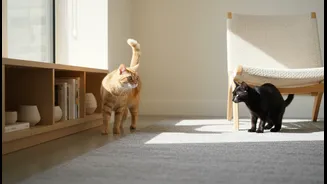
The most important rule is to let the cats set the pace. This process can take anywhere from a few days to several months. Pay close attention to their body language. A relaxed cat will have normal-sized pupils, ears forward, and a calm tail. A friendly greeting might even involve a high tail or a slow blink. Signs of stress include dilated pupils, a swishing or puffed-up tail, flattened ears, hissing, or growling. If you see these, it’s a sign to slow down and give them more space. Rushing the process is the most common mistake and can sabotage the entire relationship.