


The 'Set-It-and-Forget-It' Upgrades
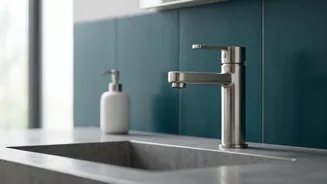
The easiest changes are often the ones you only have to make once. Installing water-efficient fixtures is a prime example. Start with faucet aerators, which are small, inexpensive attachments that screw onto your existing taps. By mixing air into the water stream,
they can reduce water flow by 30% or more without a noticeable drop in pressure. A standard tap can pour out 10-12 litres per minute, but an aerated one can bring that down to 4-6 litres. Similarly, switching to a low-flow showerhead can make a huge impact. A standard shower might use 12 litres per minute, while an efficient model uses 5 litres or less, saving a family of four thousands of litres per year. These are one-time changes that provide continuous water savings without any extra effort.
Fix Leaks: The Silent Water Waster
A dripping tap might seem insignificant, but it can waste thousands of litres of water annually. A household leak can waste as much as 180 gallons per week. Making a habit of regularly checking for leaks is one of the most effective long-term strategies. Look under sinks, check toilet cisterns, and listen for drips after turning off a tap. Repairing a leak is often a simple fix, like replacing a worn-out washer, but the savings are substantial and permanent. To check for hidden toilet leaks, add a few drops of food colouring to the cistern; if the colour appears in the bowl without flushing, you have a leak that needs fixing.
Rethink Your Bathroom Habits
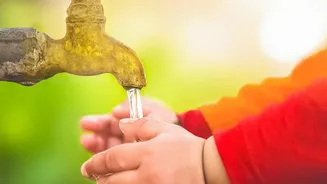
The bathroom accounts for a significant portion of household water use. While long showers are a luxury, opting for a bucket bath is a culturally ingrained and highly efficient alternative in many Indian households, as it puts a hard cap on water usage at around 15-20 litres. If you prefer showers, keeping them short is key. A simple five-minute shower timer can make a huge difference. Another effortless habit is turning off the tap while brushing your teeth or shaving. A running tap can waste over 6 litres of water per minute, so this simple act can save thousands of litres per household each year.
Make Your RO Purifier Work Smarter
Reverse Osmosis (RO) purifiers are common in Indian homes, but they produce a lot of wastewater, often wasting 2-3 litres for every litre of purified water. Instead of letting it go down the drain, collect this reject water. It's high in dissolved solids but perfectly safe for a variety of non-potable uses. Simply direct the outlet pipe into a bucket or storage tank. This collected water can be used for mopping floors, cleaning bathrooms, flushing toilets, or washing your car. For gardening, it's best to use it on hardy plants or dilute it with regular tap water to prevent mineral buildup in the soil.
Efficiency in the Kitchen and Laundry
Simple changes in the kitchen and laundry room also offer long-term savings. Always aim to run your washing machine and dishwasher only with a full load. This small adjustment in routine can save a significant amount of water over the year. When washing dishes by hand, avoid leaving the tap running. Instead, plug the sink or use a basin for washing and another for rinsing. Similarly, when washing fruits and vegetables, collect the rinse water in a bowl and use it to water your plants. These are not drastic lifestyle changes but conscious habits that become second nature over time, leading to consistent water conservation.
Swap the Hose for a Broom
When it comes to cleaning driveways, balconies, or outdoor steps, it’s common to reach for a hose. However, this uses a large amount of water unnecessarily. A far more water-efficient and equally effective method is to use a broom. Sweeping away leaves, dust, and debris requires zero water and often gets the job done just as well. This is an easy habit to adopt and maintain, reserving water for where it's truly needed. For more stubborn dirt, using a bucket of water and a scrub brush provides a targeted clean without the waste of a running hose.