




What Exactly Is a Solar Storm?
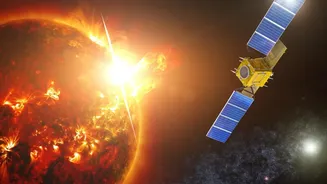
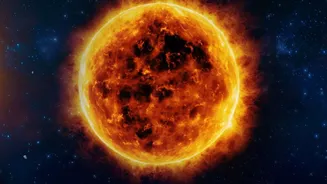
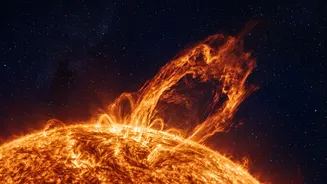
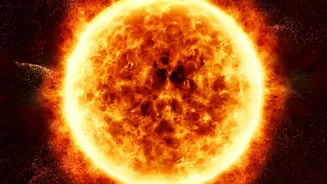
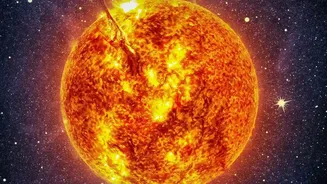
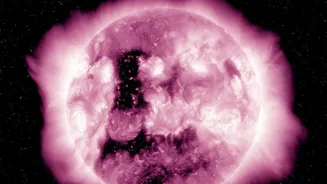
A solar storm is a powerful eruption on the sun's surface. Think of it like a massive solar volcano. These events, called solar flares or coronal mass ejections (CMEs), shoot huge clouds of charged particles and radiation out into space. When Earth is in the path
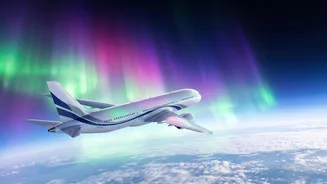
of one of these clouds, the particles interact with our planet's magnetic field and upper atmosphere. This interaction is what can cause the beautiful northern lights, but it can also interfere with the technology we rely on, especially at high altitudes where airplanes fly. The sun goes through an approximately 11-year cycle of activity, and we are currently approaching a peak, meaning these storms are becoming more frequent and intense.
How Do They Affect Flights?
Solar storms don't create turbulence like a thunderstorm. Instead, they primarily affect three key areas of aviation: communication, navigation, and radiation levels. The particles from a solar storm can disturb the ionosphere, a layer of the atmosphere that pilots use to bounce high-frequency (HF) radio signals for long-distance communication, especially over oceans and polar regions. During a storm, these radio frequencies can become unreliable or go completely dark. Similarly, the accuracy of GPS and other satellite navigation systems (GNSS) can be degraded, forcing pilots to rely on backup systems. In very rare and extreme cases, these energetic particles can even cause small errors in an aircraft's sophisticated electronic systems.
Will My Flight Be Delayed or Cancelled?
For the vast majority of travellers, the answer is no. Airlines and air traffic control agencies around the world, including the FAA, have robust procedures to manage the effects of space weather. The most common response to a significant solar storm is to reroute flights. This happens most often with polar routes—the shortcuts between continents that pass over the Arctic. Since the Earth's magnetic field offers less protection at the poles, these flights are more exposed. To ensure reliable communication and reduce radiation exposure, a flight might be rerouted to a lower latitude. This might add to your flight time, but outright cancellations or grounding of aircraft are considered a last resort for only the most extreme and rare solar events.
Should I Worry About Radiation?
It's true that radiation levels increase at cruising altitudes during a solar storm. However, for the average passenger, the dose received from a single flight is very low and not considered harmful. Studies have shown that even career flight attendants do not show ill effects from their occupational radiation exposure. Aviation authorities set strict exposure limits for crew members, who fly much more frequently. If a solar storm is predicted to cause radiation levels to exceed these safe limits, airlines will take action by changing the flight's altitude or route. While the risk is a serious consideration for airlines and regulators, it is not something that should cause alarm for individual travellers, including pregnant passengers.
What Airlines Are Doing to Prepare
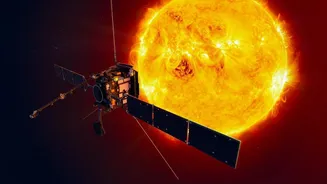
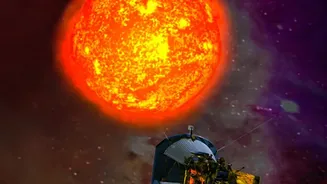
The aviation industry doesn't take space weather lightly. Specialised global centres, like NOAA’s Space Weather Prediction Center, monitor the sun 24/7 and issue advisories to airlines, pilots, and air traffic controllers. These advisories provide forecasts on potential impacts to communication, navigation, and radiation levels. Armed with this information, airline dispatchers can make informed decisions, such as fuelling up for a longer, rerouted flight or adjusting flight altitudes. Modern aircraft are also built with multiple redundant systems, so if one navigation or communication method is affected, there are always backups ready to take over. Safety is never compromised; the primary impact a passenger might notice is a change in flight duration.