




1. The Breeding Ground for Disease
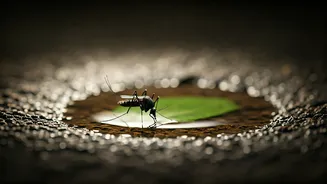
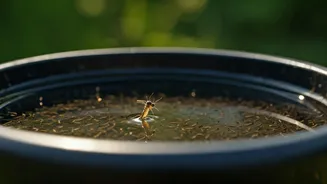
This is the most well-known danger, but its severity cannot be overstated. A single bottle cap of water is enough for Aedes aegypti mosquitoes to breed, the primary carriers of dengue and chikungunya in India. Stagnant water in coolers, flower pots, discarded
tyres, and construction sites becomes a public health menace. During monsoon season, cases of mosquito-borne diseases like dengue, malaria, and chikungunya skyrocket. These illnesses aren't just a matter of fever and body aches; they can lead to severe complications, hospitalisation, and in tragic cases, death. The connection is direct: more standing water means more mosquitoes, which leads to a higher risk of infection for you and your community.
2. The Silent Attack of Waterborne Illnesses
Beyond mosquitoes, stagnant water that contaminates drinking water sources can lead to a host of other diseases. Bacteria and parasites thrive in these conditions. Outbreaks of cholera, typhoid, and leptospirosis are often linked to flooding and contaminated standing water getting into wells, pipes, or storage tanks. Leptospirosis, in particular, is a risk for those who wade through contaminated floodwaters with open cuts or sores. It’s a bacterial infection spread through the urine of infected animals, which accumulates in stagnant water. These illnesses cause severe gastrointestinal distress, high fevers, and can have long-term health consequences if not treated promptly.
3. The Slow Creep of Structural Damage
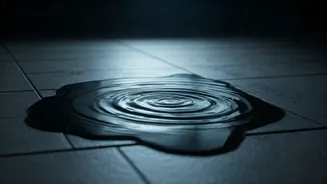
Water is relentless, and its long-term presence can compromise the integrity of your home. When water pools consistently around the foundation of a building, it can seep into the concrete and soil. This softens the ground, potentially leading to foundation cracks, shifts, and costly structural repairs down the line. On terraces and balconies, poor drainage allows water to collect, weakening waterproofing layers. Over time, this leads to 'seelan' (dampness), peeling paint, and the slow degradation of concrete slabs and steel reinforcements (rebar) within them. What starts as a small puddle can become a major structural engineering problem.
4. The Hidden Threat of Mold and Fungus
Where there is persistent moisture, mold is sure to follow. Standing water that leads to damp walls and ceilings creates the perfect environment for mold and mildew to flourish. These fungi aren't just unsightly; they release spores into the air that can be inhaled, triggering a range of health issues. For individuals with asthma or allergies, mold spores can cause severe respiratory distress. Even in healthy individuals, prolonged exposure can lead to chronic coughing, sneezing, eye irritation, and skin rashes. Black mold (Stachybotrys chartarum) is particularly notorious and can grow in hidden places like behind walls or under flooring, making it a silent and persistent health hazard.
5. The Shocking Electrical and Safety Hazards
Water and electricity are a lethally dangerous combination. Standing water in basements, parking garages, or even on a balcony can pose a serious electrocution risk if it comes into contact with faulty wiring, electrical outlets, or submerged appliances. During heavy rains and waterlogging, it's crucial to be aware of submerged electrical boxes or open wires. Furthermore, stagnant pools of water create slip-and-fall hazards, especially for children and the elderly. A mossy, slippery patch caused by a perpetually damp area can result in serious injuries, from sprains to fractures.
6. The Financial Drain
Each of these problems comes with a significant price tag. The costs add up quickly, from medical bills for treating vector-borne diseases to hiring professionals for mold remediation. Repairing a cracked foundation or fixing extensive water damage to walls and ceilings can run into lakhs of rupees. The cumulative cost of ignoring a simple drainage problem is almost always far greater than the cost of fixing it early. Proactive maintenance—like cleaning gutters, ensuring proper drainage slopes, and regularly checking for sources of stagnant water—is an investment in both your health and your financial well-being.