



The Sweet Allure of Cocoa Skincare
The primary appeal of a chocolate face mask lies in its main ingredient: cocoa. Unprocessed, unsweetened cocoa powder is packed with flavonoids, a type of antioxidant. These compounds are known for their ability to fight free radicals, which are unstable
molecules that can damage skin cells and accelerate aging. When applied topically, proponents claim these antioxidants can help protect the skin, improve blood flow, and lend a radiant complexion. Some studies focusing on the oral consumption of high-flavanol cocoa have even suggested benefits like improved skin elasticity and hydration, which has bolstered the ingredient's reputation in skincare circles.
A Simple, Sensible DIY Recipe
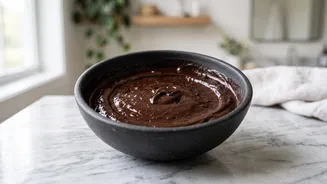
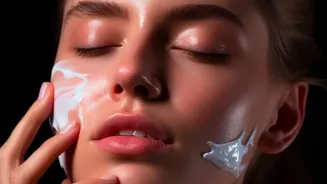
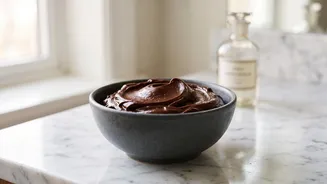
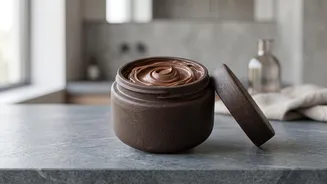
Creating a basic chocolate face mask at home is straightforward. The key is to use pure, unsweetened cocoa powder (or cacao powder) to get the antioxidant benefits without added sugars that can be detrimental to skin. A popular and simple recipe involves mixing one to two tablespoons of cocoa powder with an equal amount of plain yogurt or honey to form a paste. Yogurt contains lactic acid, which helps gently exfoliate, while honey is a natural humectant and has antibacterial properties. For a thicker consistency, some recipes suggest adding a small amount of mashed banana or oats. The goal is to create a smooth paste that is easy to apply but not so runny that it drips.
The 'Caution' You Cannot Ignore
Here’s where sensible caution becomes critical. Just because an ingredient is natural or edible doesn't mean it’s suitable for your face. Food products are not formulated for cosmetic use. A true chocolate allergy, while rare, can cause skin reactions like hives, itching, or eczema upon contact. More commonly, people may be sensitive not to cocoa itself, but to other ingredients often found in chocolate products or even other 'natural' additives in a DIY mix. Furthermore, food-grade ingredients can introduce bacteria to the skin, and ingredients like sugar or milk products, often linked to acne, can clog pores or trigger breakouts in susceptible individuals.
The Non-Negotiable Patch Test
Before you apply any new substance to your entire face, a patch test is essential. This is the most important step in exercising caution. To perform one, apply a small amount of your prepared mask to a discreet area of skin, such as behind your ear or on your inner arm. Leave it on for the intended duration of the mask, then rinse. Wait at least 24 hours to see if any signs of irritation, redness, itching, or swelling develop. If you experience any reaction, no matter how mild, do not use the mask on your face. This simple test can save you from a widespread and uncomfortable allergic reaction or severe irritation.
When To Choose a Formulated Product
While a DIY mask can be a fun, occasional pampering session, it's not a replacement for professionally formulated skincare. Cosmetic products are created in sterile environments and use ingredients that are purified and tested for stability and skin compatibility. They are designed to have a consistent pH and are often buffered to avoid irritating the skin's natural barrier. If you have sensitive skin, acne-prone skin, rosacea, or any existing skin condition, you are generally better off using a product formulated by dermatologists or skincare chemists. These products deliver the benefits of ingredients like cocoa extract in a safer, more reliable, and more effective manner.