



Understanding the Monsoon Menace: What is Root Rot?
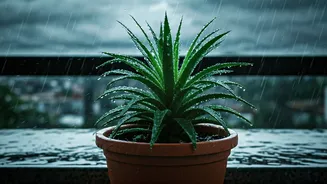
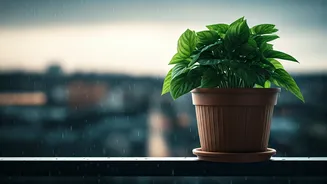
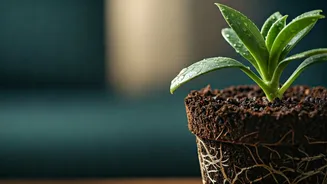
Root rot is exactly what it sounds like: the decay and death of a plant's root system. The primary cause during the monsoon is overwatering, either from heavy rains or a well-intentioned but unnecessary watering can. When soil becomes waterlogged, there's
no space for air to circulate. This oxygen-deprived environment suffocates the roots, causing them to stop functioning and making them a perfect breeding ground for fungi and bacteria. Left unchecked, this decay spreads through the entire root system and eventually kills the plant.
The First Line of Defence: Perfect Your Potting Mix
The single most important step in preventing root rot is ensuring your plants live in well-draining soil. Heavy, dense soil holds onto moisture for too long, a critical problem when the air is already humid. You can create a monsoon-proof mix by combining regular potting soil with materials that improve aeration and drainage. For most indoor and balcony plants, a simple mix of one part soil, one part compost, and one part perlite or coarse sand works wonders. Materials like cocopeat, sand, and perlite prevent the soil from compacting and allow excess water to flow through freely.
Rethink Your Watering Schedule
During the monsoon, your summer watering routine needs a complete overhaul. With high humidity and frequent rainfall, the soil will stay moist for much longer. The golden rule is to always check the soil before watering. Stick your finger about an inch or two into the soil; if it feels damp, hold off on watering. If it feels dry to the touch, it's safe to give your plant a drink. Remember, it's far easier to save an under-watered plant than an overwatered one.
Choose the Right Home: Pots and Placement
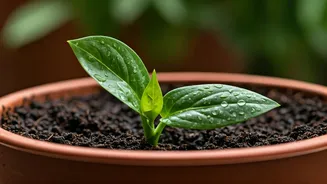
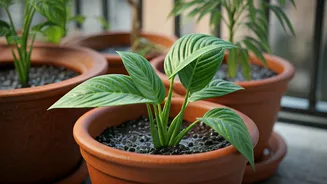
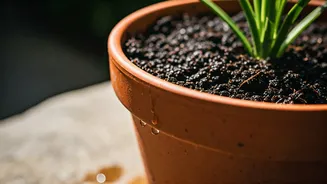
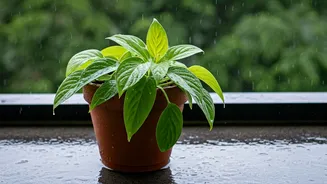
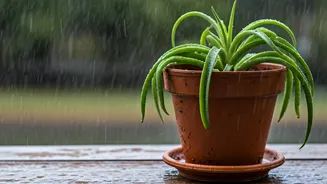
Your choice of pot plays a huge role in preventing waterlogging. Ensure every pot has adequate drainage holes at the bottom so excess water has an escape route. Terracotta or clay pots are excellent choices for the rainy season as their porous material helps wick away excess moisture from the soil. You can also improve drainage by elevating your pots on bricks or pot feet, which prevents the drainage holes from getting blocked and allows air to circulate underneath. Crowding plants together can trap humidity, so give them some space to improve airflow.
Know the Early Warning Signs
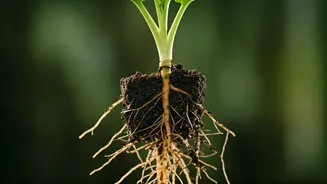
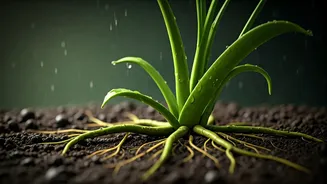
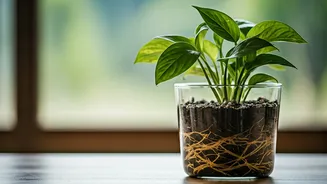
Catching root rot early is key to saving your plant. The first signs often appear above ground. Look for lower leaves turning yellow, or a plant that is wilting even though the soil is wet. This wilting happens because the decaying roots can no longer absorb water to supply the plant. Another tell-tale sign is a sour or swampy smell coming from the soil, which indicates bacterial or fungal growth. To confirm, you'll need to gently inspect the roots. Healthy roots are typically firm and white or tan, while rotten roots will be brown or black, mushy, and may fall apart when touched.
Emergency Rescue: How to Treat Root Rot
If you've discovered root rot, you must act fast. Carefully remove the plant from its pot and gently wash away all the old soil from the roots. Using a pair of clean, sterilized scissors, trim away all the dark, mushy, and smelly roots, leaving only the healthy, firm ones. If you had to remove a significant portion of the root system, it's a good idea to prune back about one-third of the plant's leaves. This reduces the stress on the remaining roots, as they have less foliage to support. Finally, repot the plant in a clean pot with fresh, well-draining soil and avoid fertilizing for a while. Water it lightly and only when the top layer of soil is dry.