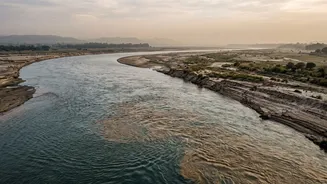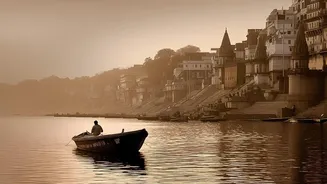

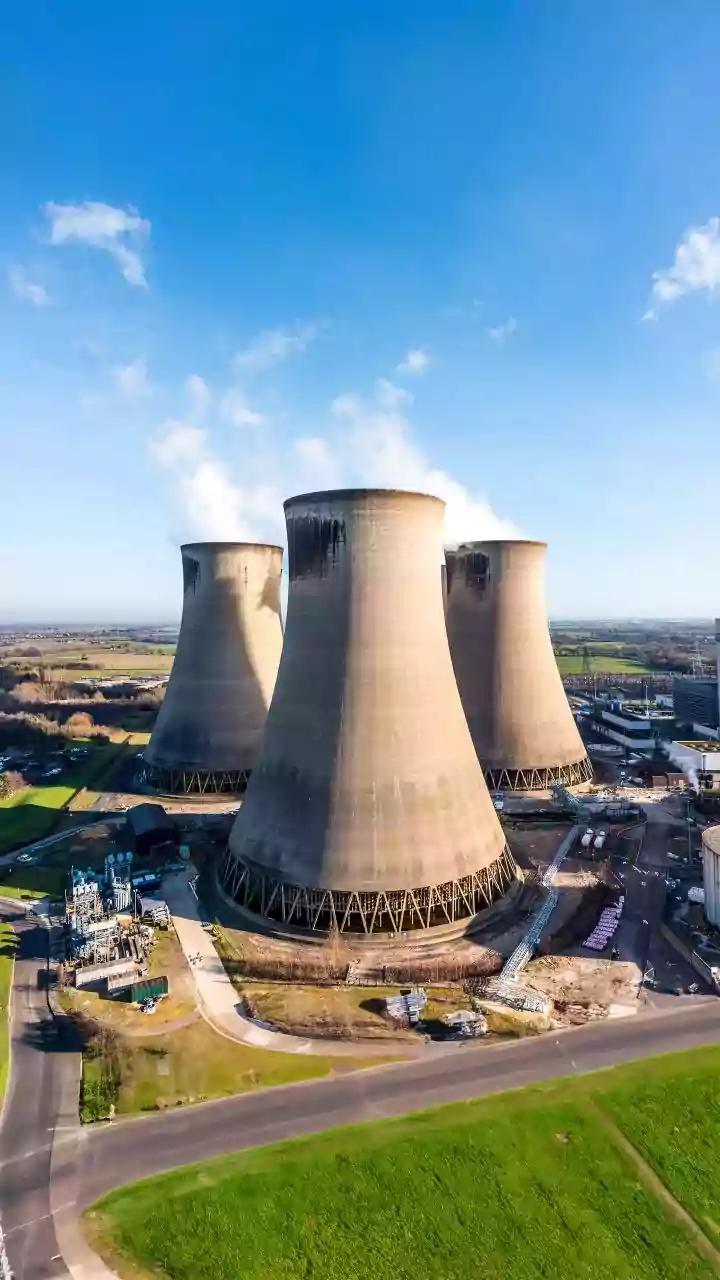







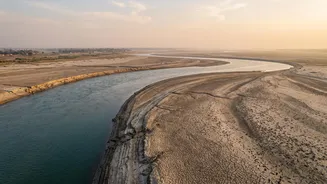
A cornerstone of Indo-Bangladeshi relations for three decades, the Ganges Water-Sharing Treaty, is approaching its expiration on December 12, 2026. This looming deadline puts a critical diplomatic challenge into the spotlight for both nations.
A Treaty Born from a Barrage
The story
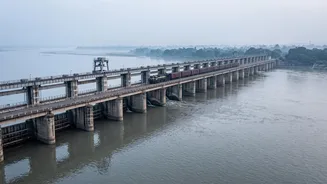
of the treaty is inseparable from the Farakka Barrage. Commissioned by India in 1975, the barrage is located about 18 kilometres from the border with Bangladesh. Its primary purpose was to divert water into the Hooghly River to flush out silt and maintain the navigability of the Kolkata Port. However, this diversion significantly reduced the downstream flow of the Ganges—known as the Padma in Bangladesh—during the crucial dry season. This caused widespread environmental and economic distress in Bangladesh, impacting agriculture, fisheries, and navigation, and led to a decades-long diplomatic dispute. After a series of short-term agreements and periods with no arrangement at all, a breakthrough came in 1996.
How the 1996 Agreement Works
Signed by then-Prime Ministers H.D. Deve Gowda of India and Sheikh Hasina of Bangladesh, the 1996 treaty established a 30-year framework for sharing water at the Farakka point during the dry season, from January 1 to May 31. The core of the agreement is a complex formula based on 10-day periods. If the flow is 70,000 cusecs (cubic feet per second) or less, the two countries share it equally. If it is between 70,000 and 75,000 cusecs, Bangladesh is assured 35,000 cusecs. If the flow exceeds 75,000 cusecs, India's share is capped at 40,000 cusecs, with the rest going to Bangladesh. Crucially, the treaty includes a provision for immediate consultation if the flow drops below 50,000 cusecs, but it doesn't set a guaranteed minimum for Bangladesh in such an emergency.
New Realities, Renewed Tensions
Thirty years on, the context for renewal has changed dramatically. Climate change has made river flows more erratic, and the historical flow data on which the treaty was based may no longer be reliable. Within India, there is growing pressure from states like Bihar, which argue their own needs for irrigation and drinking water were not considered in the original pact and are demanding a say in any new agreement. In Bangladesh, the political landscape has also shifted. The current government has expressed a desire to restore a 'guarantee clause' that was present in a previous 1977 agreement, which they argue better protected Bangladesh's interests during the leanest periods.
The Diplomatic Path Forward
With the December deadline fast approaching, diplomatic activity is intensifying, though formal negotiations appear to be in the preliminary stages. Both nations have a structured mechanism for these discussions: the Joint Rivers Commission (JRC). However, the prospects of a simple automatic renewal seem slim. India has indicated that a renewal is unlikely without a highlevel visit from Bangladesh's Prime Minister, Tarique Rahman, who has yet to visit India since taking office. Observers suggest any new agreement may need to be more comprehensive, possibly with a shorter duration and clauses addressing silt management and a basinwide approach rather than just watersharing arithmetic.