






The Problem with Poor Material Choices
During the Indian monsoon, humidity levels can soar above 80-90%, creating an environment where many common household materials fail. Heavy fabrics absorb ambient moisture, becoming perpetually damp and developing a musty smell. Wooden furniture, especially
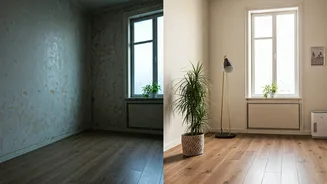
pieces made from particleboard or MDF, can swell, warp, and lose its shape. Metal accents begin to rust, and even walls can become breeding grounds for mould and mildew if not properly protected. This seasonal damage isn't just an aesthetic issue; it leads to constant maintenance, potential health concerns from mould, and the unnecessary cost of replacing ruined items. Practising material discipline means proactively choosing decor and furnishings that are resilient to these specific environmental stressors, ensuring your home remains beautiful, healthy, and easy to maintain throughout the rainy season.
Swap Heavy Textiles for Lighter Weaves
One of the most impactful changes you can make is in your choice of fabrics. Heavy textiles like velvet, thick jacquard, and even dense cotton or polyester blends are notorious for trapping moisture. They take a long time to dry and can quickly become a haven for mildew. The disciplined choice is to switch to lightweight, breathable, and quick-drying fabrics. Fine cottons, particularly those with a lower GSM (grams per square meter), are ideal for curtains and bedsheets as they allow for better airflow. Linen is another excellent option; it is highly breathable and dries faster than cotton. For upholstery that faces a lot of wear, synthetic blends like microfiber or treated polyesters offer durability and are less absorbent than many natural fibres. Swapping out heavy cushion covers, throws, and curtains for these lighter alternatives can dramatically reduce the damp feeling in a room.
Rethink Your Wooden Furniture Strategy
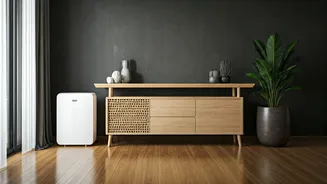
Wood's relationship with the monsoon is complicated. The high humidity causes many types of wood to absorb moisture and swell, leading to stuck drawers and warped frames. This is especially true for engineered woods like MDF and particleboard, which can disintegrate when exposed to dampness. A disciplined approach involves prioritising the right kind of wood. Dense hardwoods with a high natural oil content, such as teak and rosewood (sheesham), are naturally resistant to moisture and pests. If you have furniture made from other woods like oak or walnut, ensure it is properly sealed with a high-quality varnish or oil-based finish to create a moisture barrier. An even smarter move can be to rearrange furniture, moving vulnerable wooden pieces away from walls that might get damp. For areas prone to high moisture, consider alternatives like furniture made from rattan, treated bamboo, or powder-coated metal.
Choose Metals That Resist Rust and Corrosion
That beautiful iron coffee table or decorative steel accessory can quickly become a rusty mess in the monsoon humidity. Iron and standard steel are highly susceptible to corrosion when exposed to constant moisture in the air. The disciplined choice is to opt for metals that are inherently rust-resistant or have been treated to withstand the elements. Stainless steel is an excellent option, as its chromium content creates a protective layer against rust. Aluminum is another great choice as it's lightweight and corrosion-proof. For a classic look, brass and bronze are suitable as they develop a natural patina over time instead of destructive rust. If you prefer the look of iron, ensure it is powder-coated. This process applies a durable, protective finish that seals the metal from moisture, preventing rust and extending the life of your furniture.
Roll Up the Rugs, Let Floors Breathe
Wall-to-wall carpets and thick, plush rugs are among the worst offenders during the monsoon. They act like giant sponges, soaking up moisture from the air and from damp footwear, which leads to musty smells and potential mould growth underneath. The most disciplined action is to roll them up and store them in a dry place until the season passes. This allows your flooring to breathe and makes it easier to keep clean. For doormats, choose materials that absorb moisture effectively, such as coir or jute. If you miss the softness underfoot, opt for easily washable, quick-drying cotton dhurries or mats made from bamboo or vinyl, which don't trap moisture and can be wiped clean.