



From Dalgona to Cold Foam
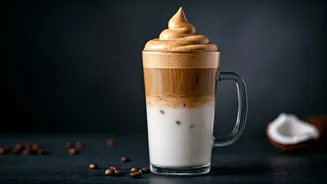
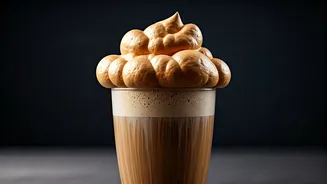
The trend exploded into the mainstream with Dalgona coffee, the whipped instant coffee sensation that became a global phenomenon during the 2020 lockdowns. [5, 16] Its appeal was simple: with equal parts instant coffee, sugar, and hot water, anyone could
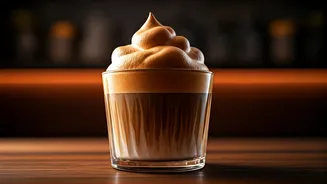
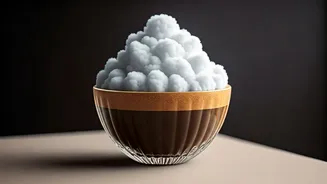
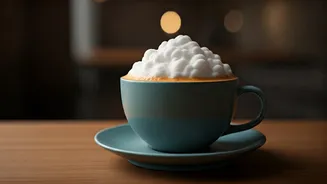
create a cafe-worthy, photogenic beverage at home. [5, 11] But what started as a viral DIY trend has evolved into a permanent menu staple. Cafes have embraced and elevated the concept, moving towards sophisticated "cold foams." Unlike traditional hot foam, cold foam is made by whipping milk (often low-fat or non-dairy) without heat, creating a velvety, dense topping that holds its shape beautifully over iced drinks. [3] This has opened the door to endless flavour customisation, from vanilla bean and salted maple to more adventurous options like strawberry or brown butter chocolate chip cookie. [3, 13]
It’s All About the Visuals
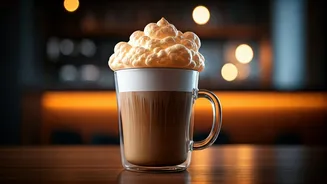
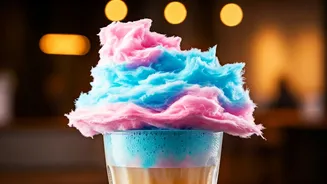
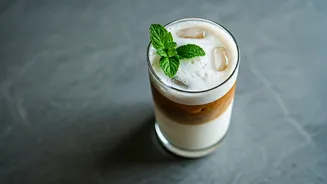
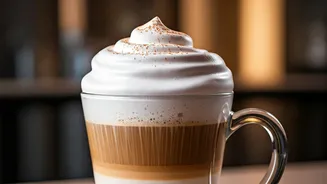
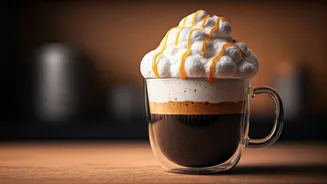
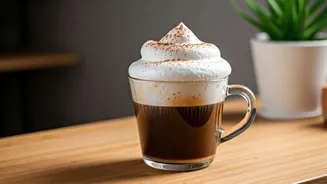
A huge part of the appeal is, without a doubt, the aesthetic. [7] These drinks are practically designed for Instagram and TikTok. The distinct, layered look of a dark cold brew beneath a pristine white or coloured foam is visually striking. [3] It creates a multi-sensory experience before you even take a sip. [7] Younger consumers, in particular, are drawn to coffee that feels like an event, and the 'grammable' quality of a beautifully textured drink turns a simple purchase into shareable content. [4, 19] The marbled appearance as the foam slowly cascades and mixes into the coffee is part of the performance. [7] This visual appeal is a powerful, built-in marketing tool for cafes, encouraging social media shares that drive curiosity and sales. [4]
The Psychology of Texture
Beyond the look, there's a deeper psychological reason we're drawn to these textures. The contrast between the silky, airy foam and the liquid coffee beneath creates a more complex and interesting mouthfeel. [23] Research shows that food texture plays a significant role in how we perceive flavour and satisfaction. [9, 20] A creamy, fluffy texture can evoke feelings of comfort and indulgence, similar to ice cream or desserts. [16] This textural contrast makes the drinking experience more dynamic and memorable than a standard, uniform liquid. [23] Studies have also found that more viscous or solid foods can increase feelings of satiety, making a drink feel more substantial and satisfying. [14, 23] The foam engages multiple senses, from the visual appeal to the tactile sensation in the mouth, creating a more rewarding experience. [9, 20]
A Smart Business Move
For coffee shops, the foamy drink trend is a financial win. Specialty coffee drinks, including those with cold foam, command higher prices and boast impressive profit margins, often between 65% and 85%. [1, 2] The ingredients—milk, sugar, flavourings—are relatively inexpensive, yet the final product is perceived as a premium, customised item that consumers are willing to pay more for. [7, 10] These viral-ready drinks also generate free advertising. [4, 6] When a customer posts their eye-catching strawberry cold foam latte, they're not just sharing their morning coffee; they're promoting the cafe. This organic marketing is invaluable, building brand recognition and attracting new customers without a significant advertising spend. It's a savvy strategy that leverages creativity and consumer trends for a healthier bottom line. [2]