


Why the Monsoon is a High-Risk Season
The rainy season dramatically increases the risk of foodborne illnesses like gastroenteritis, typhoid, cholera, and food poisoning. The combination of high humidity and ambient warmth accelerates the growth of harmful bacteria, viruses, and fungi on food surfaces.
Heavy rains can overwhelm drainage systems, leading to contamination of municipal water supplies, which are often used for cooking and washing produce. As a result, food spoils faster, and common diseases spread more easily through contaminated food and water.
Handle Fresh Produce with Extra Care
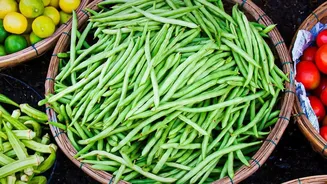
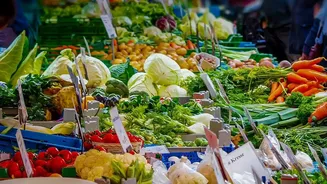
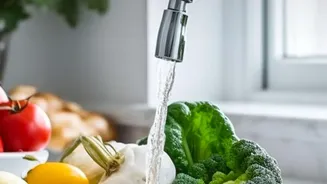
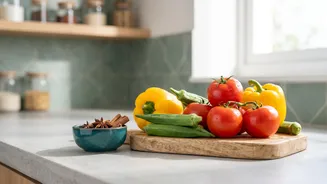
All fruits and vegetables need a thorough wash, but leafy greens require special attention during the monsoon as they can harbour dirt, larvae, and germs in their folds. Start by rinsing all vegetables under clean, running water. For leafy greens like spinach and cabbage, first remove the outer leaves. Then, soak them in a bowl of water with a bit of salt or vinegar for about 15 minutes. This helps dislodge germs and residue. It's also wise to avoid raw salads during this season; instead, opt to steam or stir-fry your vegetables to kill any lingering pathogens. Cut fruits should be consumed immediately and not left exposed to the air.
Rethink Your Street Food Habits
While the craving for hot pakoras or tangy pani puri is strong during a downpour, street food poses a significant health risk in the monsoon. Stalls are often exposed to flies and dust, and the water used for chutneys and drinks like pani puri is frequently unboiled and can be contaminated. This makes it a primary source for infections like E. coli and cholera. Even pre-cut fruit or chaats with boiled ingredients like potatoes can be risky, as the high moisture content encourages rapid bacterial growth. If you must indulge, choose vendors with visibly high hygiene standards and opt for freshly prepared, piping hot items like bhutta or hot tea.
Master Meat, Fish, and Poultry Safety
The high humidity means raw meat, fish, and poultry are highly perishable and can spoil quickly. Only buy these items from clean, reputable sources. Store them immediately in the coldest part of your refrigerator and aim to cook them within a day or two. To prevent cross-contamination, use separate cutting boards and knives for raw meat and for vegetables. Always wash your hands, utensils, and surfaces with soap and warm water after handling raw meat. Ensure all meat and seafood are cooked thoroughly to a safe internal temperature to kill any harmful bacteria.
Secure Your Water Source
Contaminated water is a primary cause of many monsoon illnesses, including typhoid and cholera. Do not assume tap water is safe for drinking or cooking. The safest practice is to boil your drinking water for at least one minute. Alternatively, use a reliable water filter. When outside, it is best to carry your own water or purchase sealed bottled water rather than drinking from outside sources where the cleanliness of the water and glasses may be uncertain.
Smart Storage and Kitchen Hygiene
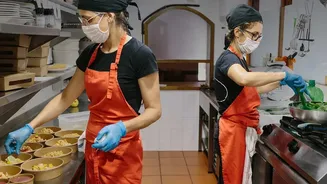
A clean kitchen is your first line of defence. Keep cooking surfaces and utensils thoroughly cleaned, and use a disinfectant for floors and drains. Store dry ingredients like grains and spices in airtight containers to protect them from moisture and prevent mould. Your refrigerator also needs attention; clean it regularly to prevent bacterial growth. Store leftovers in covered containers and refrigerate them as soon as possible, ideally within two hours of cooking. Always reheat leftovers thoroughly before consumption.