




The Romantic Notion vs. The New Reality
Remember the quintessential monsoon fantasy? Waking up to grey skies, the smell of petrichor, and deciding, right then and there, to jump in the car and drive to the nearest hills. For years, monsoon travel in India was defined by this beautiful impulsiveness.
It was about chasing clouds to Lonavala, getting drenched in Goa’s off-season charm, or finding a cosy homestay in the winding lanes of a hill station with no prior booking. But the post-pandemic travel landscape has changed the game. The surge of ‘revenge travel’ hasn't just crowded our favourite spots; it has also made last-minute plans a costly and often frustrating gamble. The quiet, undiscovered nook is now likely pre-booked, and the empty highway is a thing of the past. This new reality is forcing travellers to evolve, trading in spur-of-the-moment decisions for carefully laid plans.
The Unpredictable Climate Factor
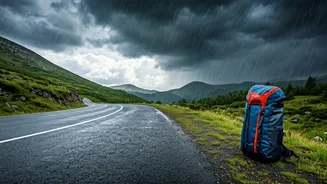
Beyond crowds and costs, there’s a more formidable force at play: Mother Nature. In recent years, the monsoon has become increasingly erratic and extreme. News headlines are filled with stories of flash floods in the Himalayas, landslides blocking major highways in the Western Ghats, and entire towns being cut off due to incessant rain. This heightened risk has introduced a new, non-negotiable layer to travel planning. An impulsive trip to a place like Himachal Pradesh or Uttarakhand now comes with a serious safety caveat. Travellers are becoming more conscious of geology and weather patterns. They’re scrutinising weather forecasts not just for rain, but for warnings of extreme events. The romance of driving through a downpour is quickly dampened by the real-world possibility of being stranded for hours, or worse. This climate-consciousness is a primary driver behind the shift to ‘tactical’ travel, where safety and accessibility are paramount.
The Economics of Strategic Travel
Spontaneity is a luxury, and in today's travel economy, it's an expensive one. Airlines and hotels have perfected dynamic pricing, meaning that last-minute bookings during a popular period—and yes, monsoon weekends are now very popular—can be exorbitantly priced. The traveller who plans ahead is the one who wins. Booking flights and accommodation weeks or even months in advance can lead to significant savings. This is especially true for sought-after boutique properties and resorts that offer all-weather amenities like indoor pools, spas, and game rooms, which are now in high demand during the monsoon. A tactical traveller understands this. They set price alerts, compare options, and lock in their plans early. This strategic approach frees up their budget for experiences rather than just logistics, turning a potentially expensive trip into a value-for-money holiday.
What 'Tactical' Monsoon Travel Looks Like
So, what does it mean to be a tactical monsoon traveller? It’s not about spreadsheets and minute-by-minute itineraries. Rather, it’s about making smart, informed choices. It starts with destination selection. Instead of high-risk mountain regions, travellers are opting for safer bets like the plateaus of Maharashtra, the backwaters of Kerala (with caution), or the less flood-prone coastal areas of the south. It also involves choosing the right kind of accommodation. A tactical traveller looks for properties with solid infrastructure, good reviews regarding safety, and engaging indoor activities, ensuring the trip isn't ruined by a day of heavy rain. Furthermore, it means packing smarter—with waterproof gear, emergency power banks, and a first-aid kit. It’s a mindset shift from 'let's see what happens' to 'let's be prepared for whatever happens.'
Your New Monsoon Travel Toolkit
Building your tactical plan is simple. First, embrace the ‘micro-cation’: shorter, well-planned trips to drivable destinations reduce the risk associated with long journeys. Second, always get travel insurance that covers trip cancellations or delays due to weather. Read the fine print. Third, create a flexible itinerary. Plan one main activity per day and have two indoor backups, like a visit to a local museum, a cooking class, or simply enjoying the resort's facilities. Finally, leverage technology. Use reliable weather apps (like IMD’s), check live traffic updates on Google Maps for road blockages, and stay connected with your hotel about local conditions before you even start your journey. This proactive approach ensures you spend more time enjoying the rain and less time worrying about it.