




The climate-controlled comfort of a gym treadmill is hard to beat. But as the leaves turn and the air crisps, the allure of the outdoors is undeniable. This guide will help you swap the moving belt for the open road safely and comfortably.
Embrace the Outdoors
Transitioning
from treadmill to outdoor running offers a wealth of benefits. The fresh air and changing scenery can boost your mental health and motivation. Running outside also better prepares you for races by exposing you to varied terrain and natural wind resistance, which isn't simulated on a machine. Your body works harder to propel itself forward without the help of a moving belt, leading to greater muscle activation and strength gains, particularly in your glutes, hamstrings, and stabilizing muscles.
Dress for Success: The Art of Layering
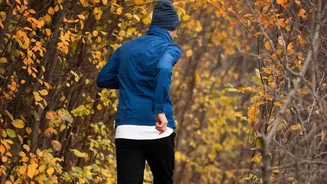
Dressing for a cold run is a science, but the golden rule is layering. The goal is to dress as if it's 10-15 degrees warmer than the actual temperature, as your body will heat up quickly. The classic three-layer system is your best strategy. Start with a snug, moisture-wicking base layer made of merino wool or a synthetic fabric to pull sweat away from your skin. Your second, or mid-layer, should be an insulating material like fleece to trap body heat. The final outer layer should be a thin, wind and water-resistant jacket to protect you from the elements without trapping too much moisture.
Essential Cold-Weather Accessories
Your extremities are the first to feel the chill as your body directs blood flow to your core. Don't neglect them. A good pair of insulated gloves or mittens is crucial. A beanie, headband, or balaclava will protect your head and ears from the cold. Also, ensure your socks are thick, moisture-wicking, and cover your ankles to prevent any exposed skin. For early morning or evening runs when daylight is limited, high-visibility clothing and a headlamp are non-negotiable for safety.
Warm Up Before You Go
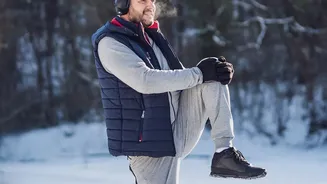
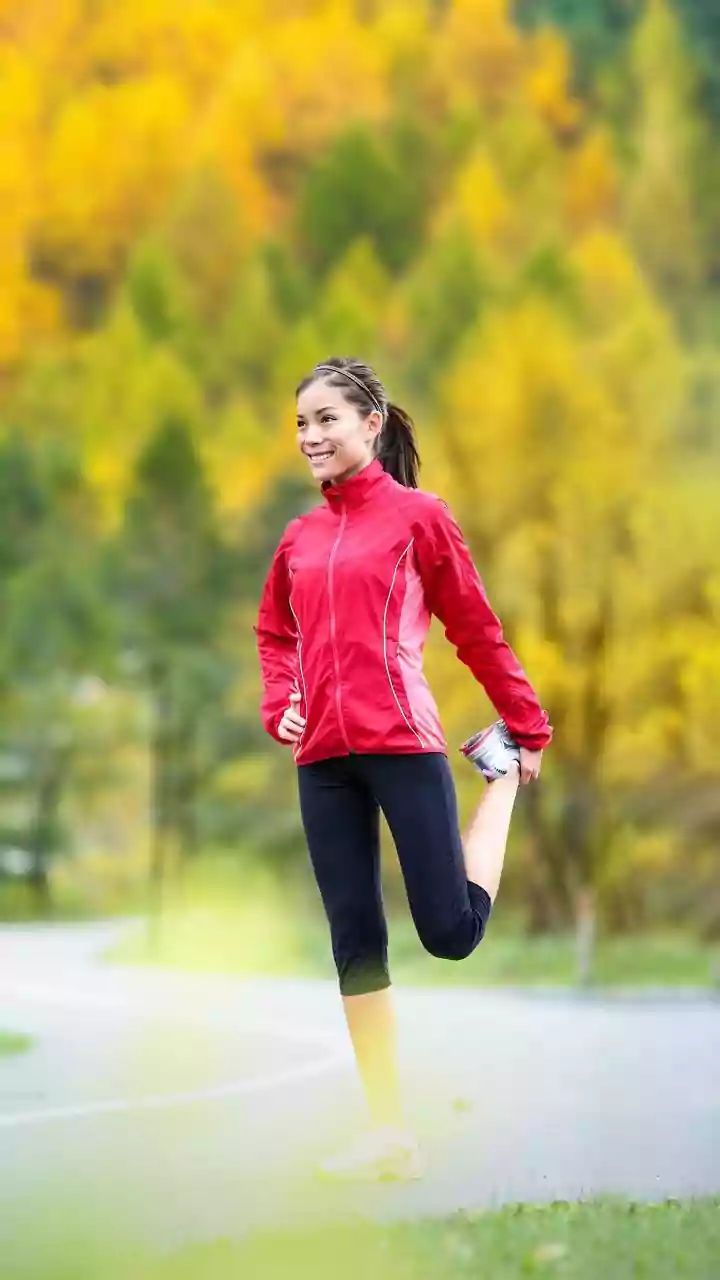
Cold muscles are stiff muscles, putting you at a higher risk of injury. Before you even step outside, spend five to ten minutes warming up indoors. Focus on dynamic stretches, which involve movement, rather than static holds. Exercises like leg swings, walking lunges, high knees, and squats will increase blood flow, warm up your muscles, and prepare your heart and lungs for the run ahead. A brisk walk for a few minutes can also serve as a great initial warmup to get your body ready for more intense movement.
Pacing and Adjusting Your Form
Running outdoors is more demanding than on a treadmill. The uneven surfaces, changing inclines, and wind resistance mean your treadmill pace won't directly translate. For your first few outdoor runs, slow down and focus on your effort level rather than speed. The ground is also harder than a cushioned treadmill belt, which can be tougher on your joints initially, so easing in is key. Start by transitioning your shorter, easier runs outside first, and gradually increase the duration and frequency as your body adapts to the new demands.
Run Safely in Shorter Days
With autumn comes shorter daylight hours, meaning many runs will happen in the dark. Prioritize your safety by choosing familiar, well lit routes and always telling someone where you are going. Wear bright , reflective clothing so drivers and cyclists can see you easily . A headlamp or body light will help you spot obstacles like uneven pavement or icy patches . If possible , run against traffic and be mindful of your surroundings by keeping headphone volume low or forgoing them altogether so you can hear what is happening around you .