



Why Everyone Is Eyeing The Hills
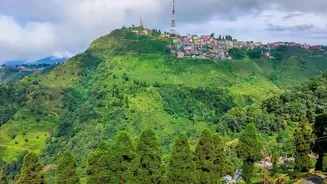
The end of August offers a perfect window for a short vacation, thanks to Raksha Bandhan falling on a Friday (August 28, 2026), creating a natural three-day break. For many city dwellers, this is the ideal opportunity to escape the late monsoon humidity
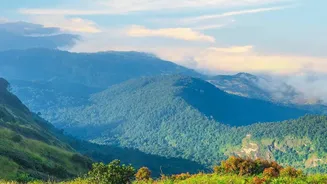
and seek the cool, crisp air of a hill station. The appeal isn't just the weather; there's a growing desire for quick, refreshing trips that don't require extensive planning or a large budget. After years of travel disruptions, people are eager to explore domestic destinations, and the mountains have always held a special allure. This trend is amplified by a collective move towards experiences over material goods, with short, frequent trips becoming the new norm for urban professionals and families.
The Rise of The Smart Traveller
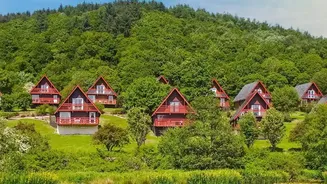
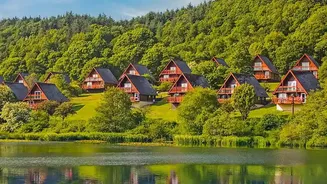
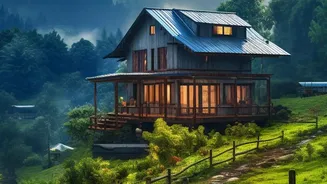
Gone are the days when a hill station holiday automatically meant expensive resort stays. Today’s traveller is increasingly budget-conscious and savvy. The biggest shift has been the explosion in popularity of homestays, which offer an affordable and authentic alternative to traditional hotels. The Indian homestay market is projected to grow significantly, driven by travellers seeking local experiences and greater value. These accommodations, often run by local families, provide not just a place to sleep but a genuine connection to the local culture. This new wave of tourism prioritises spending on experiences like local food and activities rather than on lavish rooms. Eating at local dhabas, using public transport, and travelling in groups are all popular strategies to keep costs down without sacrificing the quality of the trip.
North India: Classic Hills On A Budget
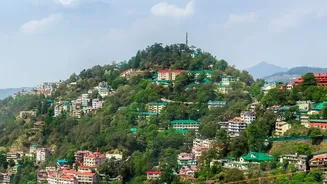
For those in North India, destinations in Himachal Pradesh and Uttarakhand remain top choices. Kasol, long known as a backpacker's paradise, continues to be a go-to for its stunning Parvati Valley scenery, riverside cafes, and abundance of cheap hostels. McLeod Ganj, the home of the Dalai Lama, offers a unique blend of spirituality, Tibetan culture, and trekking opportunities, all within a budget-friendly framework. For a quieter retreat, Lansdowne in Uttarakhand provides a peaceful escape with its pine forests and colonial-era charm, making it ideal for a relaxed weekend away from the city crowds. While popular spots like Shimla and Manali can be pricier, budget options are still available if you stay in guesthouses away from the main tourist centres.
South India: Green Escapes Without The Splurge
The hills of South India, lush and green during the monsoon, are equally appealing for a budget trip. Munnar in Kerala, famous for its sprawling tea plantations, is surprisingly accessible for budget travellers thanks to affordable homestays and local eateries. Similarly, Ooty in Tamil Nadu remains a family-favourite, and costs can be managed by avoiding peak holiday dates and opting for local lodges. For those in Karnataka, Chikmagalur offers a refreshing landscape of coffee plantations and rolling hills, with accommodation and attractions that are generally more affordable than in other major tourist hubs in the region.
Smart Tips For A Long Weekend Trip
Planning is key to a successful budget trip during a busy long weekend. First, book your travel and accommodation as early as possible. Last-minute bookings for trains, buses, and hotels often come with inflated prices. However, if you are flexible, sometimes last-minute deals can be found. Second, travel light and use public transport where possible. Overnight trains or buses can also save you the cost of one night's accommodation. Third, embrace local food. Street food and small local restaurants are not only cheaper but often provide a more authentic culinary experience. Finally, consider travelling to less-commercialised destinations. Places like Chopta in Uttarakhand or Araku Valley in Andhra Pradesh offer stunning natural beauty without the crowds and high prices of their more famous counterparts.