
The Icy Moon with a Big Secret
For decades, Europa has captivated scientists. Roughly the size of Earth’s moon, its surface is a crisscrossing puzzle of cracks and ridges in a shell of water ice. Data from NASA's Galileo mission in the 1990s provided compelling evidence for what lies
beneath. By measuring how Jupiter's powerful magnetic field was disrupted around Europa, scientists inferred the presence of a global, electrically conductive layer—most likely a salty ocean. This ocean is thought to be in contact with a rocky seafloor and is kept liquid by tidal heating. As Europa orbits the immense gas giant, Jupiter's gravity constantly flexes and squeezes the moon, generating enough internal heat to prevent the ocean from freezing solid.
A Recipe for Extraterrestrial Life?
The search for life beyond Earth is guided by a simple checklist of three key ingredients: liquid water, essential chemical elements, and an energy source. Europa appears to have all three. It has a massive liquid water ocean. The chemical building blocks of life—such as carbon, hydrogen, nitrogen, oxygen, phosphorus, and sulfur—are believed to have been delivered to the moon by comet and asteroid impacts over billions of years. The third ingredient, energy, might not come from sunlight, but from chemistry. Scientists theorize that tidal heating could drive hydrothermal vents on Europa's seafloor, similar to those on Earth that teem with life, supplying chemical nutrients into the water.
Enter the Europa Clipper
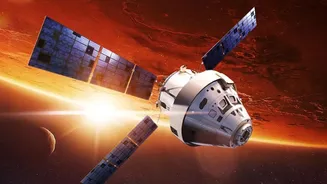
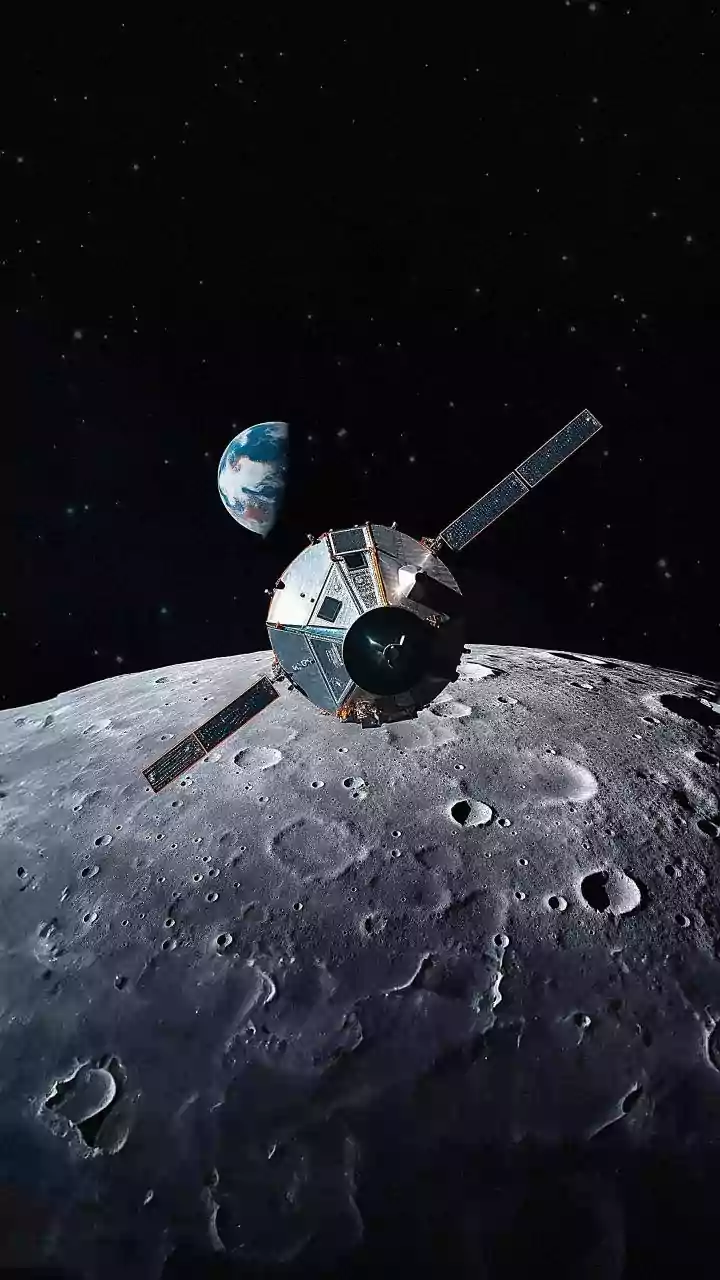
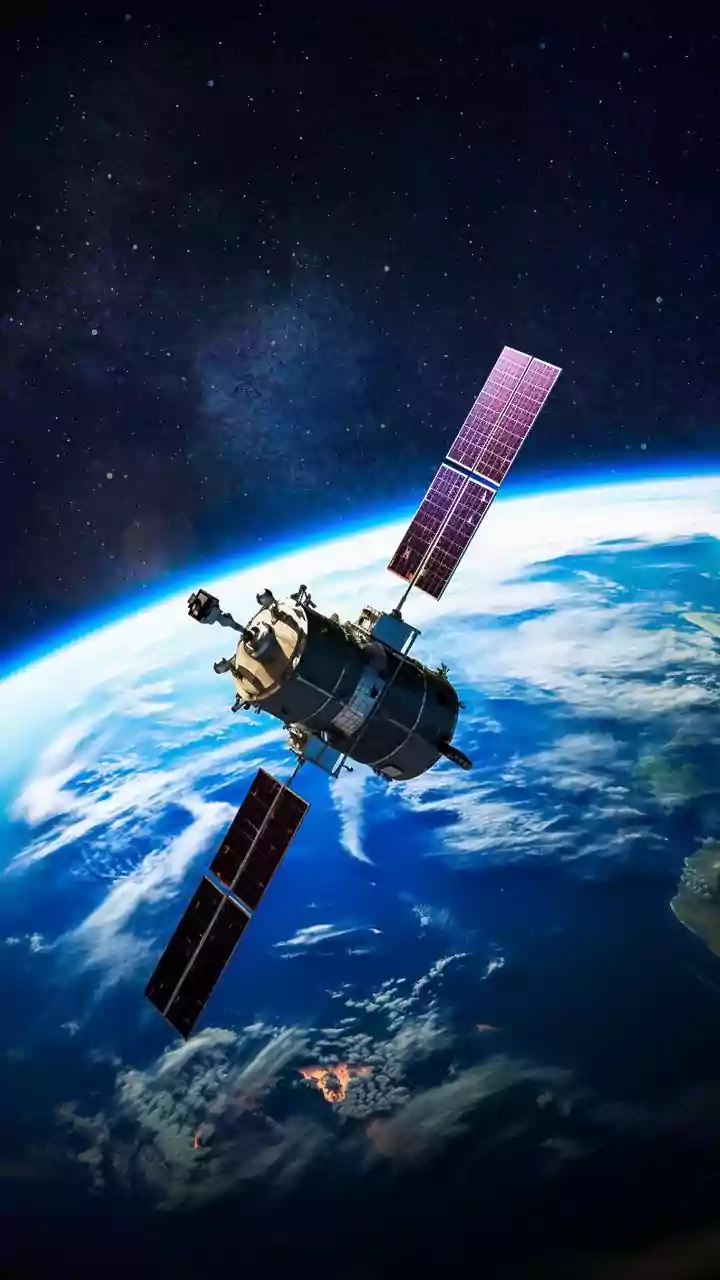
To investigate Europa's potential for life, NASA launched the Europa Clipper spacecraft in October 2024. After a long journey that includes gravity assists from Mars and Earth, the probe is scheduled to arrive in orbit around Jupiter in April 2030. Its primary goal isn't to find life directly, but to perform detailed reconnaissance. Over several years, the Clipper will conduct nearly 50 close flybys of Europa, some as low as 25 kilometers above the surface. It will carry a sophisticated suite of nine science instruments designed to confirm the ocean's existence, measure the thickness of the ice shell, and determine if the conditions are genuinely habitable.
A Toolkit for an Alien Ocean
Europa Clipper's instruments will work together to create a comprehensive picture of the moon. Its ice-penetrating radar will be used to measure the thickness of the ice shell and search for pockets of liquid water within it. A magnetometer will measure the strength and direction of the moon's magnetic field to confirm the depth and saltiness of the ocean. Spectrometers will analyze the chemical composition of the surface, identifying salts and organic molecules. High-resolution cameras will map the fractured landscape in stunning detail, helping scientists find geologically active areas. A thermal instrument will scan for temperature anomalies, which could indicate recent eruptions of warmer water.
Searching for Clues in Plumes
One of the most exciting prospects is the potential to sample the ocean without ever touching it. Observations from the Hubble Space Telescope and reanalyzed data from the Galileo mission have hinted that plumes of water vapor may erupt from Europa's surface. If the Clipper can fly through one of these plumes, its instruments could directly analyze the composition of the material ejected from the ocean below. This would offer a direct glimpse into the chemistry of that hidden world, providing invaluable data on its saltiness, acidity, and whether it contains complex organic molecules—key indicators of its potential to support life.