


The Great Unplugging
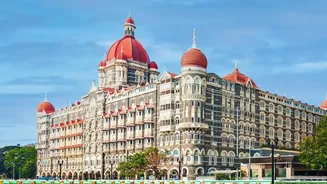
The travel checklist for many young Indians is changing. Where it once might have featured bustling city breaks and famous monuments, it now increasingly prioritizes peace, quiet, and a distinct lack of crowds. This isn't just about avoiding long queues;
it's a deliberate move away from 'performance' travel—the kind designed for social media feeds—towards restorative journeys. A recent report noted that relaxation is the primary travel motivator for a majority of Indian respondents, with over 80% open to visiting lesser-known destinations. This collective exhale reflects a deeper cultural shift. Burnout is no longer a buzzword but a lived reality for many in their 20s and 30s. The goal of a weekend break is no longer to 'see everything' but to 'feel something'—specifically, a sense of calm.
From FOMO to JOMO
Driving this trend is the rejection of the 'Fear Of Missing Out' (FOMO) in favor of the 'Joy Of Missing Out' (JOMO). Instead of chasing viral hotspots, travellers are actively seeking destinations that have not saturated their social media feeds. This has given rise to what some are calling 'hushpitality'—travel built around quiet surroundings, nature, and an unhurried schedule. It's a conscious decision to trade chaotic sightseeing for mindful experiences, such as reading a book on a quiet veranda, walking through a forest, or simply doing nothing at all. This search for digital disconnection and mental well-being has made wellness a key driver, with destinations offering yoga, meditation, and immersion in nature seeing a significant rise in interest.
The Appeal of the Unseen
So, where are these holidaymakers going? The destinations are defined less by specific names and more by their character: serene, authentic, and accessible from major cities for a short break. Think less Shimla, more Tirthan Valley. Instead of the main beaches of Goa, picture the quieter coastline of Kerala or the undiscovered shores of Odisha. The key is an experience that feels personal and unfiltered. Young travellers are increasingly choosing homestays over hotels and local food over fast food, wanting to connect with a place on its own terms. This shift benefits both the traveller, who gets a more genuine experience, and the destination, which can foster a more sustainable, less-intensive form of tourism.
Mountain Silence and Forest Therapy
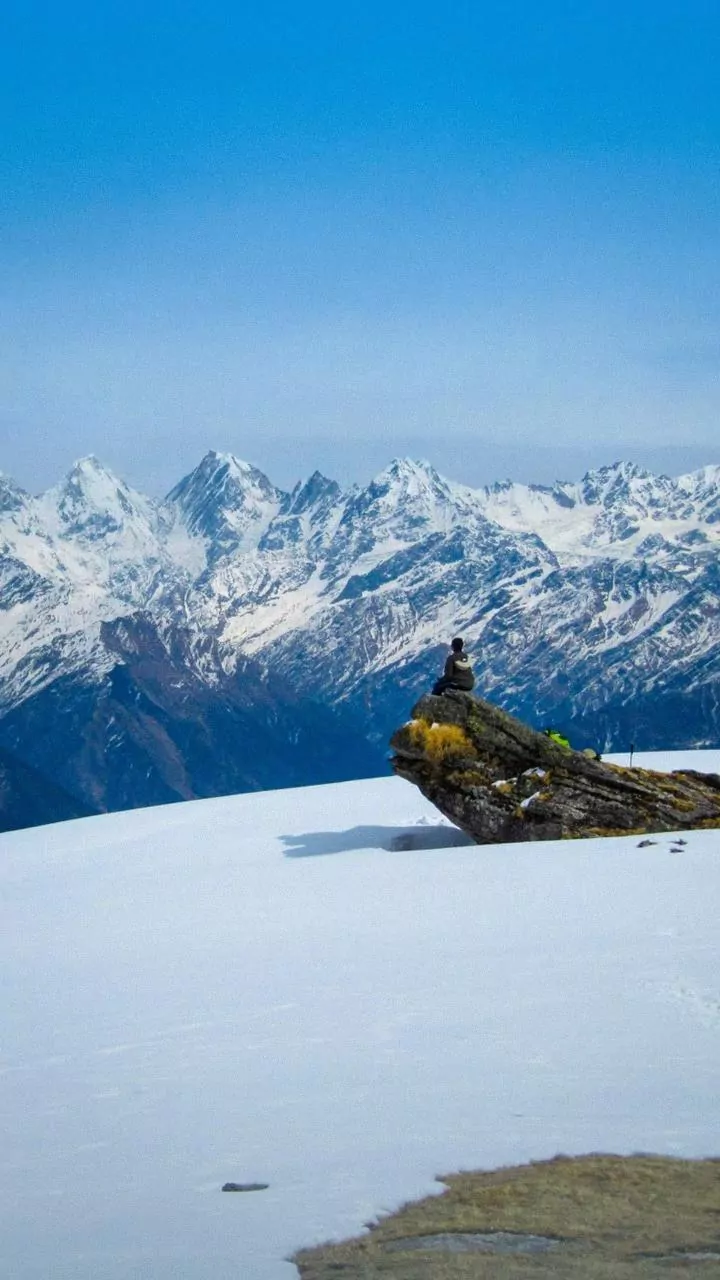
The Himalayas and the Western Ghats have emerged as epicenters of this quiet revolution. Destinations like Rishikesh, already a global wellness hub, are now a top choice for structured digital detox retreats. In Himachal, lesser-known valleys offer solitude seekers a chance to engage in trout fishing or stay in cozy homestays. Down south, the lush plantation stays in Coorg, Wayanad, and the Nilgiris provide an immersive nature experience. These are places where the main activity is simply 'being'—surrounded by forest canopies and mountain air, offering a powerful antidote to urban overstimulation.
Coastal Calm Beyond the Crowds
For those seeking the sea, the trend is to look beyond the usual suspects. While Goa remains popular, its off-season is now being discovered by those practicing 'slow travel'. But the real discoveries are happening elsewhere. Private islands like Dharmadam in Kerala, which can be reached by foot during low tide, offer ultimate seclusion. The pristine, less-marketed beaches of the Andaman Islands or the cultural coastline of Odisha provide a tranquil alternative to their more frenetic counterparts on the west coast. These locations offer the soothing rhythm of the ocean without the commercial clamor, allowing for genuine relaxation.