





The Policy U-Turn Explained
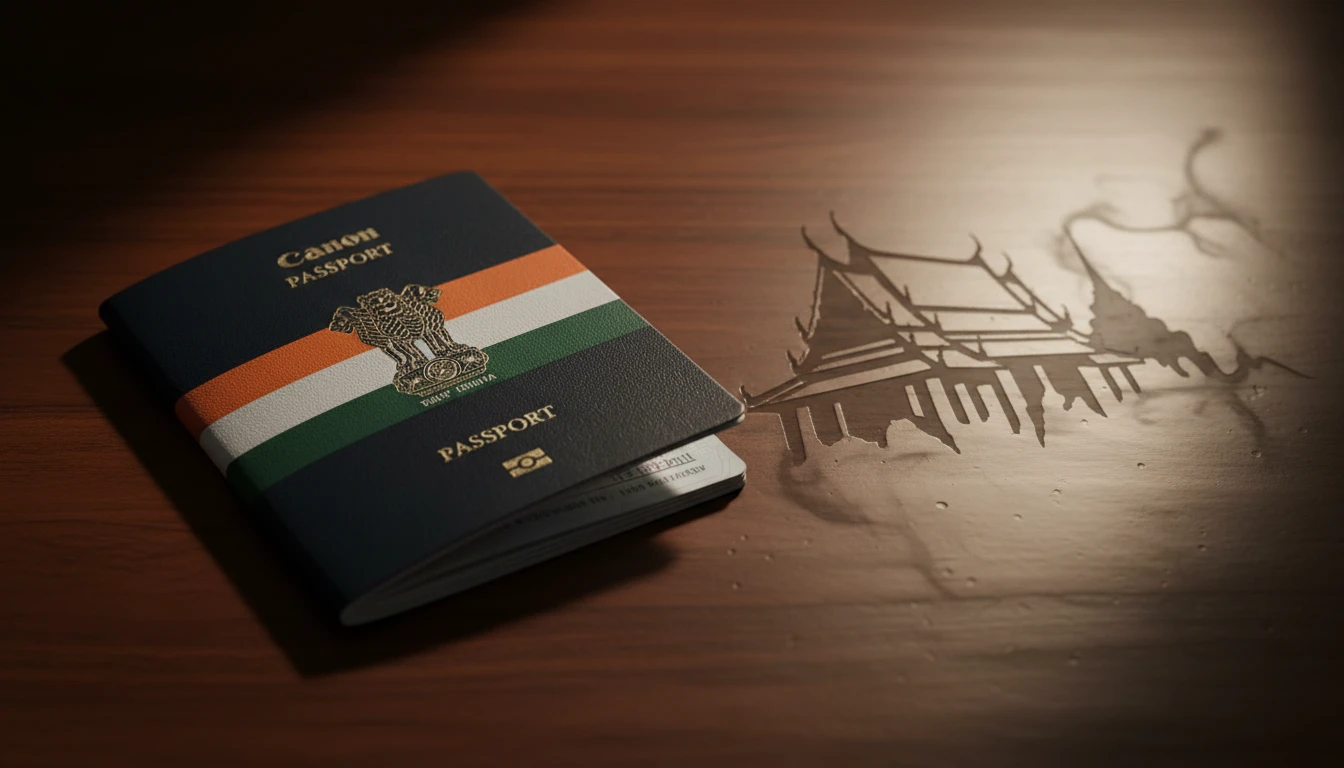
In a significant move on July 14, 2026, the Thai cabinet confirmed it will not proceed with a proposal that would have scrapped visa-free entry for Indian tourists. Earlier in May, a plan was approved to cut the list of visa-exempt countries, which would have shifted
India back to a paid visa-on-arrival system. This created significant uncertainty and reportedly led to a drop in arrivals from India, which is Thailand's third-largest tourism market. The good news is that the government has reversed this course. Instead of requiring a visa on arrival, Indian passport holders will continue to enjoy visa-free entry.
A Key Change: Your Length of Stay
While the visa-free status is a major relief, there is one important change to note. The previous temporary scheme allowed for a 60-day stay. The new, more permanent policy approved this week sets the maximum visa-free stay at 30 days. For the vast majority of Indian tourists, this is more than enough time. According to official data, the average stay for an Indian visitor is just over seven days. Therefore, a 30-day limit comfortably covers most holiday plans, from quick city breaks in Bangkok to extended beach holidays in Phuket or Krabi, without impacting travel itineraries. Those needing to stay longer can still apply for a 60-day tourist visa before their trip.
Why the Sudden Change of Heart?
The policy reversal appears to be a direct response to market feedback and economic reality. Thai Tourism Minister Surasak Phancharoenworakul acknowledged that the uncertainty caused by the earlier proposal led to a decline in visitors from India. Given that India is a critical market for the nation's vital tourism industry, the government acted swiftly to provide clarity and restore confidence. The new 30-day visa-free rule is seen as a balanced approach, aligning with the actual travel patterns of most Indian tourists while also addressing the government's aim to better manage immigration and security.
What About the Tourism Fee?
More good news comes in the form of the much-discussed 300-baht (approximately ₹700) tourism fee. For months, there were plans to collect this levy from all foreign tourists arriving by air. However, Thai Prime Minister Srettha Thavisin confirmed earlier this year that this plan has been officially scrapped. The government reasoned that encouraging more tourists to visit and spend money on shopping, dining, and other activities would provide a greater boost to the economy than collecting the fee itself. This means travellers can enter without the hassle or extra cost of this proposed entry tax.
Planning Your Thai Holiday Now
With the visa situation clarified, planning your trip is straightforward again. The new rules will officially take effect 15 days after they are published in Thailand's Royal Gazette, though the exact date of publication has not yet been announced. For now, the existing visa arrangements continue. This policy U-turn provides the stability that travellers and tour operators were waiting for. You can now confidently book your flights and accommodation knowing that you are eligible for a 30-day visa-free stay upon arrival, saving you both the time and expense of a visa-on-arrival process.