








The Deceptive Allure of High Water
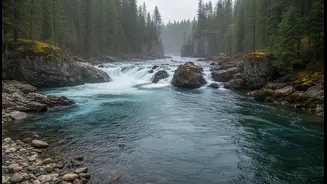
A fast-flowing, swollen river looks like the ultimate adventure. The waves are bigger, the pace is quicker, and the excitement seems guaranteed. However, high water levels, especially during or just after the monsoon season, mask a host of hidden dangers.
What might look like a thrilling ride from the riverbank can be a dangerously unpredictable environment. High water significantly increases the river's power and speed. It can turn a familiar Class III rapid into a much more dangerous and technical Class IV or even Class V challenge. More importantly, the murky, turbid water hides obstacles that would normally be visible and avoid able. Submerged rocks, logs, and other debris can appear with no warning, creating severe hazards. Fences or branches that are usually high above the waterline can become underwater 'strainers'—objects that allow water to pass through but can trap a person or a boat.
Decoding River Conditions Yourself
Before you even speak to an operator, it's wise to get a sense of the river's state. While India doesn't have a single, unified public portal for all rivers, you can still gather crucial information. Look for local news reports about weather and flooding in the region you plan to visit. Heavy rainfall upstream, even from the day before, can drastically change river conditions downstream. Pay attention to the water's colour and clarity. If the river is brown and opaque, it's carrying a lot of sediment and potentially debris, indicating high flow and runoff. Also, observe the riverbanks. If the water is spilling over the banks or flowing through trees and bushes that are normally on dry land, the river is in a flood state and should be avoided by recreational paddlers. Some international apps and websites like RiverApp aggregate data, but local knowledge remains paramount.
Choosing an Operator Who Prioritises Safety
The single most important decision you'll make is choosing your rafting operator. A reputable company will put safety far ahead of filling a slot on a trip. Don't be afraid to ask direct questions, and treat their answers as a key part of your decision. A trustworthy operator will welcome inquiries about their safety record and procedures. Hesitation is a major red flag. Key questions to ask include: How long have they been operating on this specific river? River knowledge is built over seasons, not weeks. What level of training and certification do their guides have? Look for certifications in swift water rescue, first aid, and CPR. What is their protocol for high-water or bad weather days? A good company will have clear cut-off points and will not hesitate to cancel a trip if conditions are unsafe. Be wary of operators who pressure you to book or downplay the risks associated with high water levels.
Your Pre-Trip Equipment Check
The quality of the equipment is a direct reflection of an operator's commitment to safety. Before the trip begins, take a moment to inspect the gear. Life jackets, known as Personal Flotation Devices (PFDs), should be in good condition, with no rips or broken buckles, and they should fit snugly. Helmets should also be free of cracks and fit properly. The raft itself should appear well-maintained, not covered in patches. A professional company will provide all necessary safety equipment, including PFDs and helmets, as a standard part of the package. If an operator tries to charge extra for basic safety gear or the equipment looks worn out, consider it a sign that they may be cutting corners elsewhere.
Trust Your Gut and Be Ready to Walk Away
Ultimately, your safety is your own responsibility. The pre-trip safety briefing is a critical moment. Listen carefully. The guides should provide clear instructions on what to do if you fall out of the raft, how to swim in a current, and the commands they will be using on the water. If the briefing feels rushed, incomplete, or unprofessional, it's a serious warning sign. If the river looks alarmingly fast or full of debris, or if the guides seem inexperienced or dismissive of your concerns, do not get in the water. It is always better to forfeit a deposit and walk away from a potentially dangerous situation than to take an unnecessary risk. An adventure is only memorable for the right reasons if you return safely to share the story.