


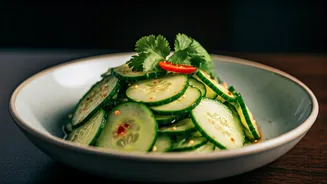


Why Cucumbers, Why Korean, Why Now?
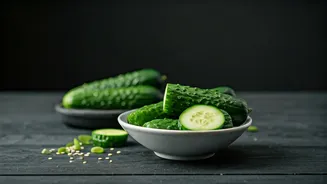
On a hot summer day, few things are as satisfying as the crisp, cooling crunch of a fresh cucumber. It’s no surprise then, that as temperatures rise, home cooks and chefs are turning to a cuisine that has mastered the art of refreshment: Korean food.
Driven by the global rise of K-culture and a collective desire for vibrant, healthy, and exciting flavours, Korean cucumber dishes are having a major moment. These recipes transform the humble cucumber into something spectacular, balancing spicy, sweet, and tangy notes. They are served as banchan, the small side dishes that accompany a main meal in Korean cuisine, offering a bright counterpoint to richer foods like Korean BBQ. Their visual appeal and simple preparation have also made them a viral sensation on social media, encouraging everyone to try their hand at these easy and delicious creations.
The Gateway Dish: Oi Muchim (Spicy Cucumber Salad)
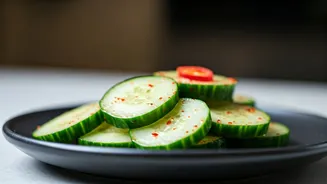
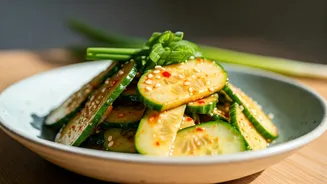
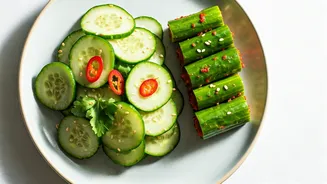
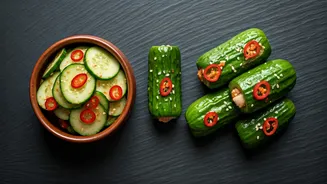
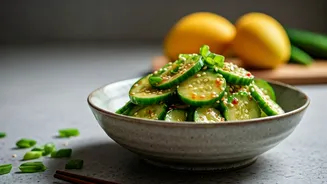
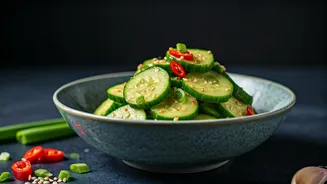
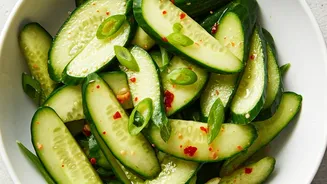
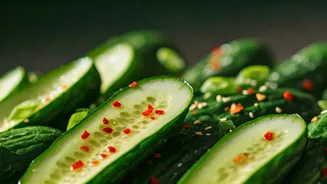
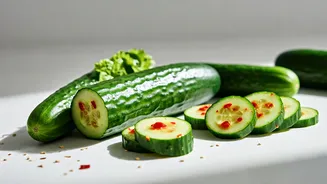
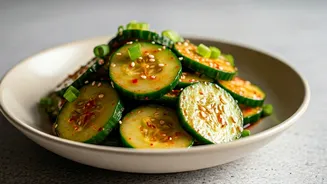
If you're new to the world of Korean cucumber, Oi Muchim is your perfect starting point. This dish, whose name translates to “cucumber mixed with seasonings,” is a quick, no-fuss salad that delivers a powerful flavour punch. Cucumbers are typically sliced, lightly salted to draw out excess water (which keeps them extra crunchy), and then tossed in a vibrant dressing. The classic sauce features a blend of gochugaru (Korean chili flakes), garlic, vinegar, a touch of sugar, and nutty sesame oil. The result is a dish that is simultaneously spicy, tangy, and deeply savoury. It’s the ideal side for just about any meal, ready in minutes and perfect for reviving a heat-suppressed appetite.
The Fermented Favourite: Oi Sobagi (Stuffed Cucumber Kimchi)
For those who love the complex flavours of kimchi, Oi Sobagi is a must-try. This is a type of fresh kimchi made specifically for summer. Instead of cabbage, small, crunchy cucumbers are the star. The cucumbers are cut to create a pocket, then stuffed with a flavourful paste. This stuffing is typically a mix of Korean garlic chives (buchu), radish, and sometimes carrots, all seasoned with garlic, ginger, fish sauce, and a generous amount of gochugaru. Unlike the quick Oi Muchim, Oi Sobagi is fermented for a day or two, which develops a deeper, tangier flavour while maintaining the cucumber's signature crunch. It’s a delicious and refreshing take on traditional kimchi.
The Ultimate Cool-Down: Oi Naengguk (Cold Cucumber Soup)
When the heat is truly relentless, Koreans turn to Oi Naengguk, a chilled cucumber soup that is the definition of refreshing. This isn't a creamy, blended soup; instead, it features crisp, julienned cucumbers and often rehydrated seaweed floating in an icy, savoury broth. The broth is the key, a perfectly balanced mix of water, soy sauce, vinegar, and a little sugar, creating a taste that is salty, sweet, and tangy. Served with ice cubes, this soup is designed to cool you down from the inside out and restore an appetite lost to the heat. It’s a uniquely revitalizing dish that shows the genius of Korean summer cooking.
Make It Your Own: A Trend to Experiment With
The beauty of these Korean cucumber dishes is their versatility. You don’t have to stick rigidly to tradition. Many home cooks have their own variations, and you should feel free to experiment. Try adding other thinly sliced vegetables like onions or carrots to your Oi Muchim for extra crunch and sweetness. You can adjust the amount of gochugaru to control the spice level or add a splash of fish sauce for more umami. The spicy, tangy cucumber salad is fantastic not just as a side dish, but also piled onto burgers, tacos, or into grain bowls to add a refreshing kick. The core combination of cucumber, spice, and vinegar is a winning formula you can adapt to whatever you’re cooking this summer.