





From Humble Button to Exotic Shiitake
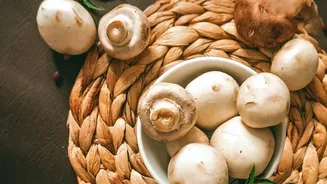
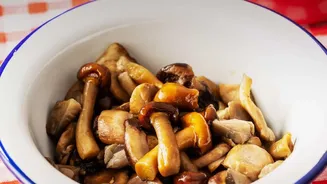
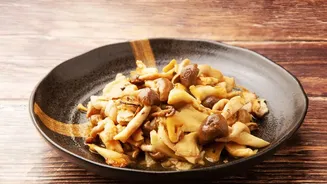
For years, the familiar button mushroom dominated the culinary landscape in India. While beloved in dishes like mushroom masala and matar mushroom, its reign is now being challenged by a fascinating array of exotic relatives. Chefs across the country
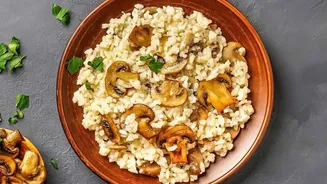
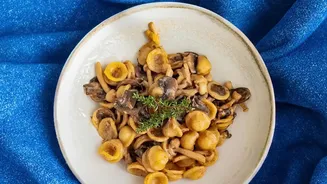
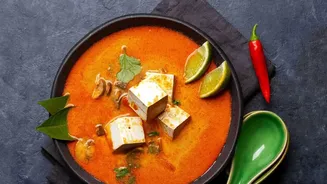
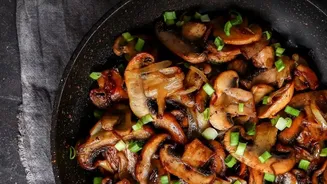
are embracing varieties like shiitake, oyster, porcini, and enoki, unlocking a new world of textures and tastes. Even the rare and prized Himalayan guchchi, or morel mushroom, is finding its way into luxury dishes like pulao, celebrated for its unique honeycomb texture and earthy notes. This shift reflects a growing curiosity among Indian diners, who are increasingly eager to explore global ingredients and novel culinary experiences. Restaurants are responding by moving beyond traditional preparations and showcasing these fungi in everything from Italian risottos to Asian stir-fries.
The Allure of Umami and Texture
One of the key reasons for the mushroom's rising stardom is its rich, savoury flavour known as umami. This 'fifth taste' provides a deep, meaty satisfaction that makes mushrooms an excellent substitute for meat in many dishes. Their ability to absorb spices and sauces like a sponge makes them a perfect canvas for India's diverse and flavourful cuisines, from fiery Chettinad curries to smoky Kadai preparations. Chefs are skillfully using mushrooms to add body and complexity to vegetarian and vegan offerings. A well-cooked mushroom can deliver a satisfyingly dense bite that appeals even to committed meat-eaters, making menus more inclusive without sacrificing flavour. This versatility is encouraging culinary innovation, leading to creations like mushroom tikkas, tacos, and even fillings for South Indian paniyaram.
A Nutritional Powerhouse on Your Plate
Beyond their taste, mushrooms are packed with health benefits, making them a smart choice for health-conscious consumers. They are low in calories and fat, cholesterol-free, and contain a surprising amount of protein, fibre, vitamins, and minerals. Mushrooms are a good source of B vitamins like riboflavin and niacin, which are essential for energy production. They also provide important minerals like selenium, a powerful antioxidant that helps protect cells from damage, and potassium, which is vital for heart health. Furthermore, mushrooms are one of the few non-animal food sources of vitamin D, a crucial nutrient for bone health and immune function, especially when they are exposed to UV light.
The Sustainable Choice
In an era of increased environmental awareness, mushrooms present a compellingly sustainable food source. Compared to traditional livestock farming, mushroom cultivation has a significantly smaller ecological footprint. It requires substantially less land, water, and energy to produce a pound of mushrooms than it does to produce a pound of beef. Life cycle assessments show that mushroom production results in far fewer greenhouse gas emissions. Many cultivation methods also contribute to a circular economy by using agricultural byproducts, like spent grain and crop residues, as a growing medium. For diners looking to make more environmentally friendly choices, ordering a mushroom-based dish is a delicious and impactful way to reduce their carbon footprint without compromising on a satisfying meal.