


The Ancient Art of Wooden-Ghani Pressing
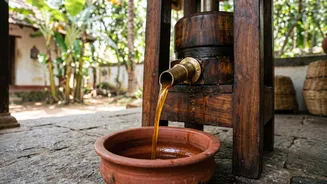
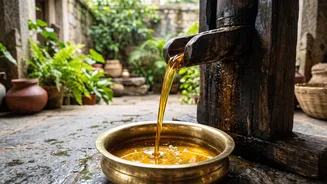
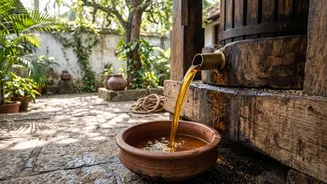
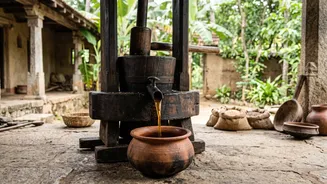
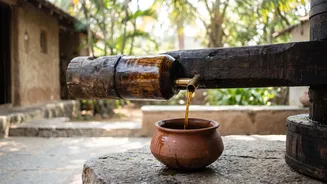
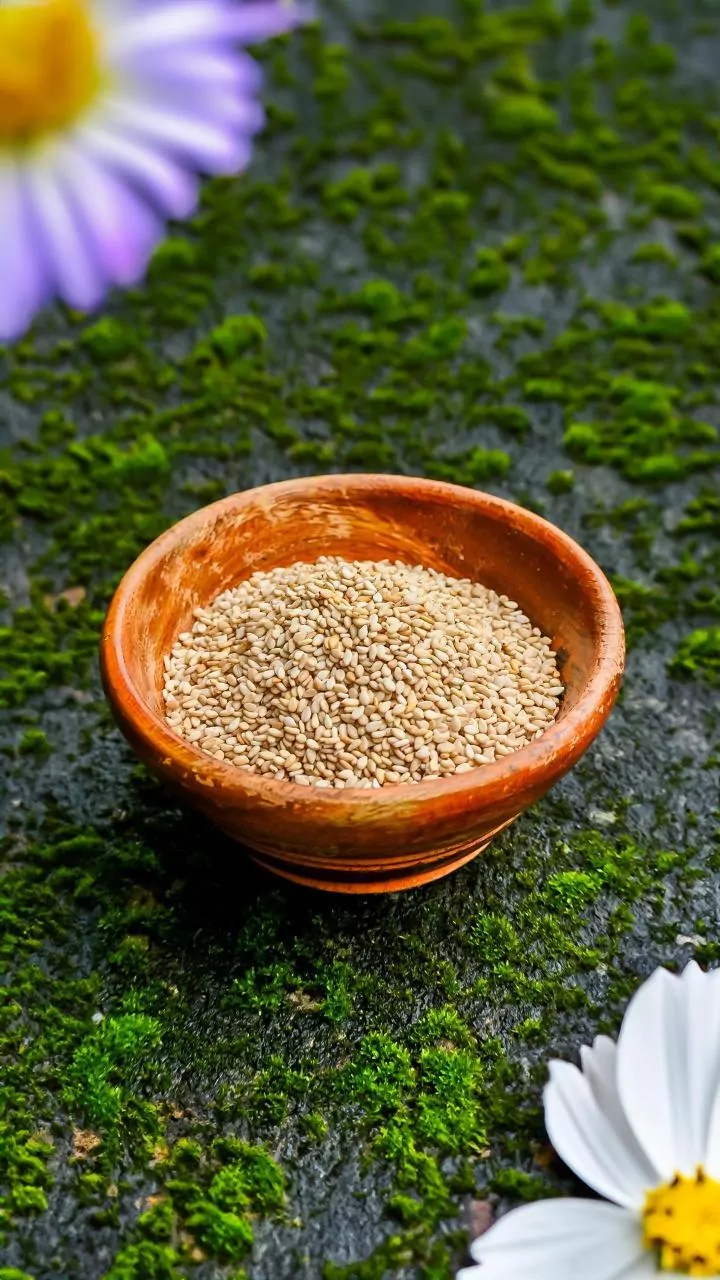
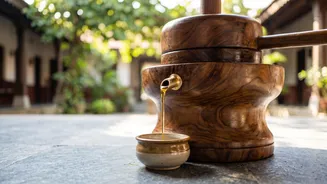
Long before industrial factories, oil was extracted using a simple yet effective tool: the 'ghani', also known as 'chekku' or 'kolhu'. In South India, this was often a 'mara chekku', a ghani made of wood. The process is beautifully straightforward: sesame
seeds are slowly crushed under the gentle pressure of a large wooden pestle rotating inside a wooden mortar. This method is a form of cold-pressing, as it generates very little heat. The slow, mechanical action ensures the oil is extracted without altering its chemical structure, preserving its natural flavour, aroma, and, most importantly, its delicate nutrients. This traditional technique is less about speed and quantity and more about purity and quality, yielding an unrefined, vibrant oil.
The Modern Refinery: A Different Philosophy
Modern refined cooking oils are produced with a focus on efficiency, shelf life, and a neutral profile. The process is typically a multi-stage affair involving high heat, high pressure, and chemical solvents like hexane to extract the maximum possible amount of oil from the seeds. After extraction, the crude oil undergoes further processing, including bleaching to remove colour and deodorising to strip away its natural smell and taste. While this results in a clear, odourless oil that lasts a long time on the shelf, it comes at a significant nutritional cost.
Antioxidants: Nature's Protective Compounds
Sesame oil is naturally rich in powerful antioxidants, primarily lignans like sesamol, sesamin, and sesamolin, as well as vitamin E (tocopherols). These compounds are nutritional powerhouses. Antioxidants protect our bodies from cellular damage caused by unstable molecules called free radicals, which are linked to inflammation and various chronic diseases. Sesamol, in particular, is noted for giving sesame oil its impressive shelf life and is associated with anti-aging properties. These naturally occurring compounds are a major reason why sesame oil has been valued in traditional medicine for centuries.
How Refining Diminishes Nutritional Value
The very processes designed to make refined oil stable and neutral are what strip it of its goodness. Antioxidants like polyphenols and tocopherols are heat-sensitive and are largely destroyed or removed during the high-temperature extraction and deodorisation stages. Chemical solvents can also contribute to the degradation of these beneficial compounds. One study noted significant losses of polyphenolic compounds at each stage of the refining process: neutralization, bleaching, and deodorization. The end product is an oil that may look 'clean', but it is a shadow of its original self, lacking the rich profile of antioxidants that virgin, cold-pressed oils retain. Essentially, the long shelf life of refined oil is evidence of how thoroughly its natural, life-giving compounds have been processed out.
Making an Informed Choice for Your Kitchen
Choosing wooden-ghani sesame oil is not just about embracing tradition; it's a conscious decision for nutritional superiority. The deep, nutty flavour and rich aroma of ghani-pressed oil can elevate dishes in a way that neutral refined oils cannot. While it may have a shorter shelf life and a slightly higher price point, these are features of a less-processed, more natural product. It is ideal for sautéing over medium heat, dressings, and as a finishing oil to add a burst of flavour. For consumers prioritising nutrient density and authentic taste over a long storage life, the choice is clear. The gentle, cold-press technique of the wooden ghani ensures that the oil in your bottle is as close as possible to the whole goodness of the sesame seed itself.