








Embrace Strategic Ventilation
It sounds counterintuitive to open windows in the cold, but ventilation is your first line of defence. Stagnant air allows pollutants from cooking, cleaning, and even breathing to accumulate. Try opening windows for just 10-15 minutes each day, ideally
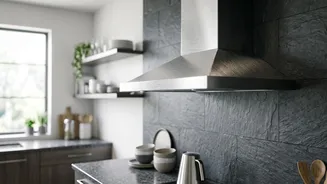
when outdoor pollution levels are lower, to flush out stale air. Creating a cross-breeze by opening windows on opposite sides of your home is particularly effective. Also, make a habit of always using exhaust fans in the kitchen and bathroom. These fans are designed to pull moisture, smoke, and fumes directly outside, preventing them from circulating through your living space.
Leave The Outdoors, Outdoors
A surprising amount of outdoor pollution is tracked inside on our shoes. Dust, soil, and particles from vehicle exhaust can settle on your footwear and get distributed throughout your home. Adopting a strict 'no shoes indoors' policy is one of the simplest and most effective ways to reduce this. Place a durable mat at your entrance for wiping feet and a shoe rack right by the door to encourage everyone to remove their shoes the moment they step inside. This single habit significantly cuts down on the dust and allergens that end up in your carpets and on your floors, which can then become airborne.
Clean Smarter, Not Harder
Your cleaning routine can either help or harm your indoor air. Many common cleaning products release Volatile Organic Compounds (VOCs), which can cause headaches and irritate your respiratory system. Opt for simpler solutions like soap and water, or choose products labelled as 'low-VOC' or 'VOC-free'. When you do use stronger cleaners, ensure the area is well-ventilated. Regular dusting and vacuuming are also crucial. Dust isn't just dirt; it’s a mix of skin cells, fibres, and allergens that can aggravate allergies. Using a vacuum with a HEPA filter is ideal as it traps very fine particles instead of just blowing them back into the air.
Cook with Caution
Cooking, especially methods like frying and tadka common in Indian households, can be a major source of indoor PM2.5 pollution. Always use your kitchen chimney or exhaust fan while cooking to vent these particles outside. If you don't have one, opening a nearby window can help. Be mindful of gas stoves, ensuring the flame is blue (indicating complete combustion) and not yellow. It's also vital to get gas appliances serviced regularly to prevent leaks of harmful gases like carbon monoxide. Never use a gas stove as an improvised heater, as this can release dangerous levels of pollutants into a closed-off home.
Manage Humidity and Moisture
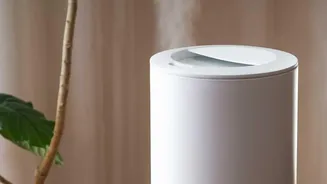
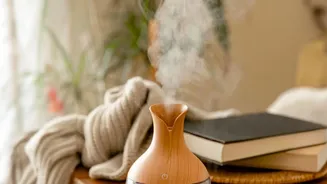
Winter air can be tricky. Sometimes it's too dry, which can irritate your nose and throat, and other times, indoor activities can create excess moisture. High humidity fosters the growth of mould and mildew, which release spores that can be harmful when inhaled. Use exhaust fans after showering to vent steam. Check under sinks and around windows for any leaks that could encourage mould growth. If your home feels excessively dry, a humidifier can help maintain a comfortable humidity level between 30-50%, making the air more pleasant to breathe.
A Note on Indoor Plants
Houseplants are often touted as natural air purifiers. A famous 1989 NASA study did show that plants could remove certain toxins in a sealed lab setting. However, more recent analysis has concluded that you would need an enormous number of plants—some estimate 10 to 1000 plants per square meter—to meaningfully clean the air in a typical home. The effect of a few potted plants is negligible compared to simple ventilation. So, while you should absolutely enjoy houseplants for their beauty and the sense of well-being they provide, don't rely on them as your primary tool for air purification.