





Reclaim Your Weeknights
Imagine finishing a long workday and having a delicious, home-cooked meal ready in minutes. That’s the core promise of batch cooking. By dedicating a few hours over two separate days to meal prep, you significantly reduce daily cooking time. This approach
not only saves time but also money by curbing impulse takeaways and making grocery shopping more efficient. It allows you to control ingredients, leading to healthier eating habits by avoiding excessive salts, fats, and sugars often found in restaurant food. Perhaps most importantly, it eliminates decision fatigue, freeing up mental energy and creating more quality time to connect with your partner after work.
The Two-Session Strategy
The key to this system is splitting your prep into two manageable sessions instead of one marathon day in the kitchen. The first session, typically on a weekend, is the longer of the two. This is for foundational cooking. The second, shorter session happens mid-week and is focused on quick assembly, refreshing components, and preparing items that don't store as long. This approach keeps meals from feeling monotonous and ensures freshness throughout the week. Instead of pre-plating identical meals, you create a pool of components that can be mixed and matched into different dishes like bowls, wraps, or quick curries, offering variety and flexibility.
Session One: Building the Foundation
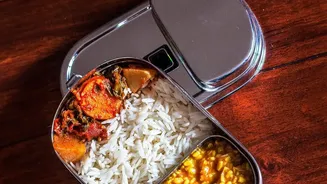
Your first and longer session, maybe on a Sunday afternoon, is for creating the building blocks of your weekly meals. Focus on items that take longer to cook but store well. For an Indian kitchen, this is the perfect time to make a large batch of onion-tomato masala or other base gravies that can be frozen or refrigerated. Cook a few types of dal or legumes like chickpeas, which can later become quick curries or salads. Prepare a bulk grain like rice or quinoa. You can also wash and chop sturdy vegetables like carrots, bell peppers, and cauliflower, and prepare marinades for proteins. Having these core components ready cuts down nightly cooking to a fraction of the time.
Session Two: The Mid_Week Refresh
The second session, perhaps on a Wednesday evening, should be short and sweet—no more than 45 minutes. This session is for preparing fresh elements that will carry you through the rest of the week. This is a great time to knead dough for rotis or parathas for the next couple of days. You can quickly cook a fresh sabzi, make a raita, or assemble a salad for the next day's lunch. This 'top_up' session ensures that the meals towards the end of the week still feel fresh and appealing, preventing the boredom that can sometimes set in with meal prepping.
Smart Storage and Quick Assembly
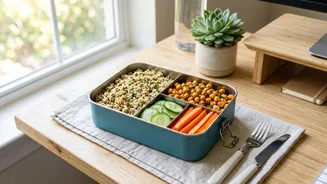
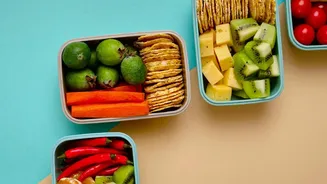
Proper storage is crucial to making this system work. Use clear, airtight containers and consider labeling them with the date to keep things organised. Store base gravies, cooked dals, and grains in portions suitable for one meal for two people. When it's time for dinner on a busy Tuesday, the assembly is simple. Heat a portion of your base gravy, add pre_cooked chickpeas and some spinach, and your chana masala is ready in under 15 minutes. The pre_chopped vegetables can be quickly stir_fried with a protein you marinated over the weekend. This mix_and_match system turns nightly cooking from a chore into a quick, creative, and satisfying task.