






Amla: The Winter Superfood
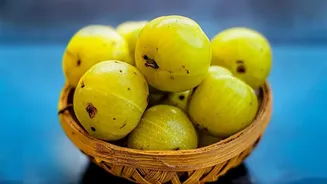
No winter fruit list is complete without mentioning amla, the Indian gooseberry. This small, green fruit is a powerhouse of nutrition and has been a cornerstone of Ayurvedic medicine for centuries. Its most significant benefit is its incredibly high Vitamin
C content, packing more of this essential nutrient than oranges. This makes it a potent immunity booster, helping the body produce white blood cells to fight off common winter ailments like colds and flu. Regular consumption can strengthen your body's natural defence mechanisms. Amla is also rich in antioxidants that help reduce oxidative stress and support cellular health. Beyond immunity, amla aids digestion by stimulating the production of digestive enzymes, which can help relieve issues like bloating and acidity. It's also celebrated for enhancing skin and hair health, with its antioxidants fighting ageing and Vitamin C contributing to a natural glow. You can eat it raw with a sprinkle of salt, juice it, or have it as a sweet 'murabba' or candy.
Guava: The Humble Powerhouse
Often overlooked, guava (amrud) is a true nutritional champion of the winter season. It is another fruit that is exceptionally rich in Vitamin C, even surpassing oranges, which is crucial for keeping your immune system strong during the flu season. Guavas are also an excellent source of dietary fibre, making them fantastic for digestive health. The fibre content helps regulate bowel movements and can prevent constipation, a common issue for some during the colder months when metabolism can feel sluggish. Furthermore, this fruit is beneficial for heart health and can help in managing blood sugar levels due to its low glycemic index. Its rich nutrient profile, which includes potassium, antioxidants, and folic acid, makes it a well-rounded choice for overall wellness. Enjoy it sliced with a dash of salt and chilli powder for a classic Indian snack.
Pomegranate: The Ruby Red Jewels
Pomegranates, or 'anar', are not just beautiful to look at; they are packed with health benefits perfect for winter. These ruby-red seeds are loaded with powerful antioxidants that help protect your cells from damage and reduce inflammation in the body. They are a good source of Vitamin C and Vitamin K, which supports bone health. Pomegranates are also known to be beneficial for heart health by improving blood circulation. Their anti-inflammatory properties can contribute to overall wellness, and some studies suggest they may even help improve memory. Rich in fibre, they also support a healthy digestive system. Sprinkle the seeds over salads and yogurt, or simply enjoy a bowlful on their own for a delicious and healthy boost.
Oranges: The Classic Citrus Boost
When you think of winter fruits, oranges often come to mind first, and for good reason. A popular winter fruit in India, often found as 'santra' or 'kinnow', oranges are synonymous with Vitamin C. This vital nutrient is key to supporting a robust immune system and protecting the body from seasonal infections. Oranges also contain fibre and antioxidants, and their high water content helps you stay hydrated, which is important even in colder weather. The citrus compounds in oranges can also aid digestion. Beyond just eating them fresh, their juice is a refreshing way to start the day, and the zest can add flavour to a variety of dishes.
Custard Apple: A Creamy, Sweet Treat
Known as 'sitaphal' or 'sharifa', the custard apple is a unique and delicious fruit that graces Indian markets during the winter. Its sweet, creamy pulp is not just a treat for the taste buds but is also highly nutritious. It is a rich source of vitamins like Vitamin C and B6, as well as minerals like potassium and magnesium. The natural sugars in custard apple provide a steady source of energy, helping to combat winter lethargy. Its fibre content supports good digestion and can help prevent constipation. Often enjoyed chilled, the pulp can be blended into a smoothie or eaten directly from the shell with a spoon, making it an indulgent yet healthy dessert.