
Meet Earth's Mysterious Twin
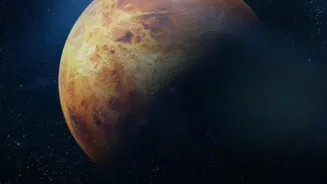
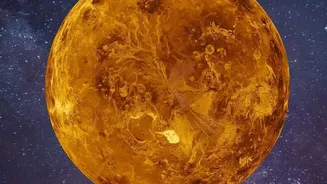
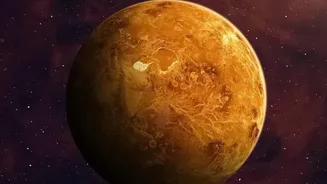
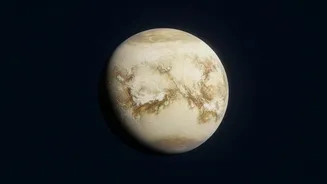
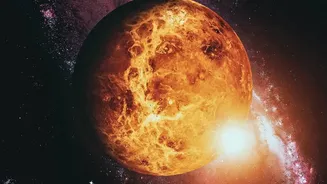
Venus is both strikingly similar to and terrifyingly different from our own planet. It is nearly the same size and mass, leading scientists to call it Earth's sister planet. However, its surface is the hottest in the solar system, reaching temperatures
of around 470 degrees Celsius, hot enough to melt lead. Its atmosphere is a thick, toxic blanket of carbon dioxide, with clouds of sulfuric acid, creating a runaway greenhouse effect and a surface pressure over 90 times that of Earth's. Yet, scientists believe Venus may have once hosted liquid water oceans, much like Earth, before evolving into the inferno it is today. Understanding what caused this dramatic divergence is a key question in planetary science, holding potential lessons about the long-term evolution of Earth's own climate.
India's Ambitious Shukrayaan-1 Mission
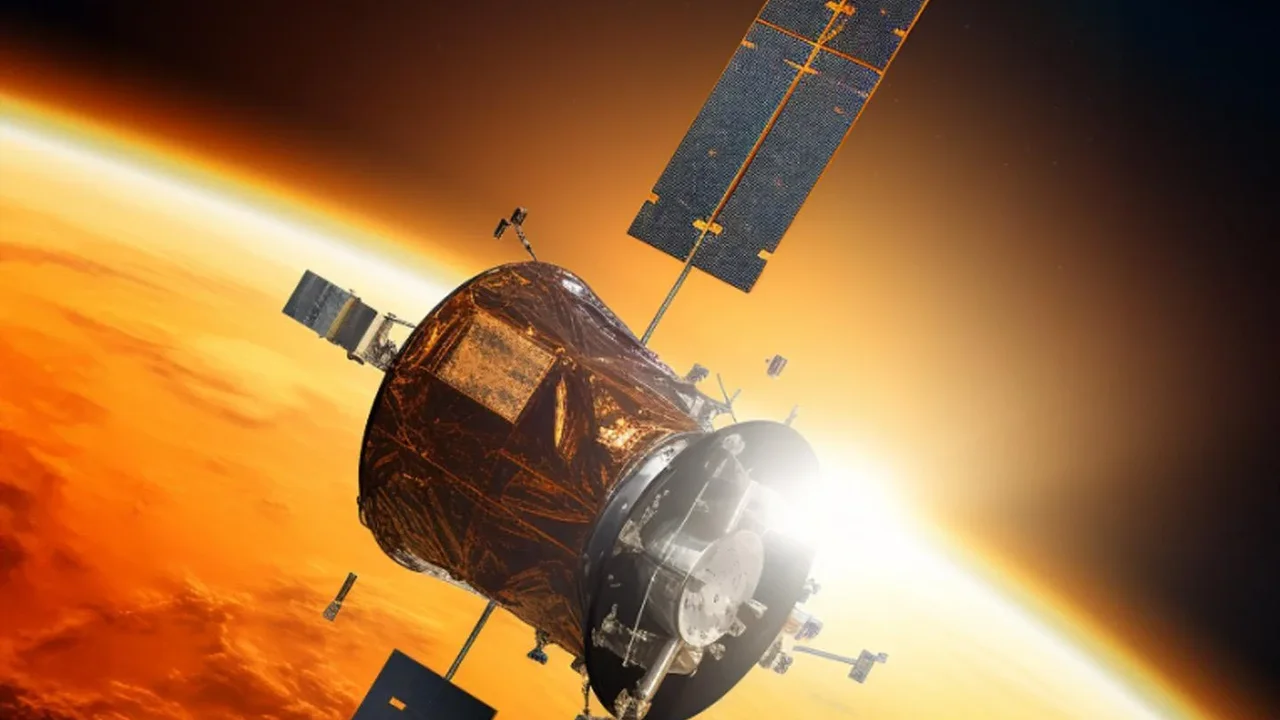
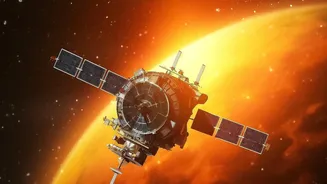
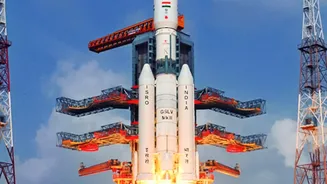
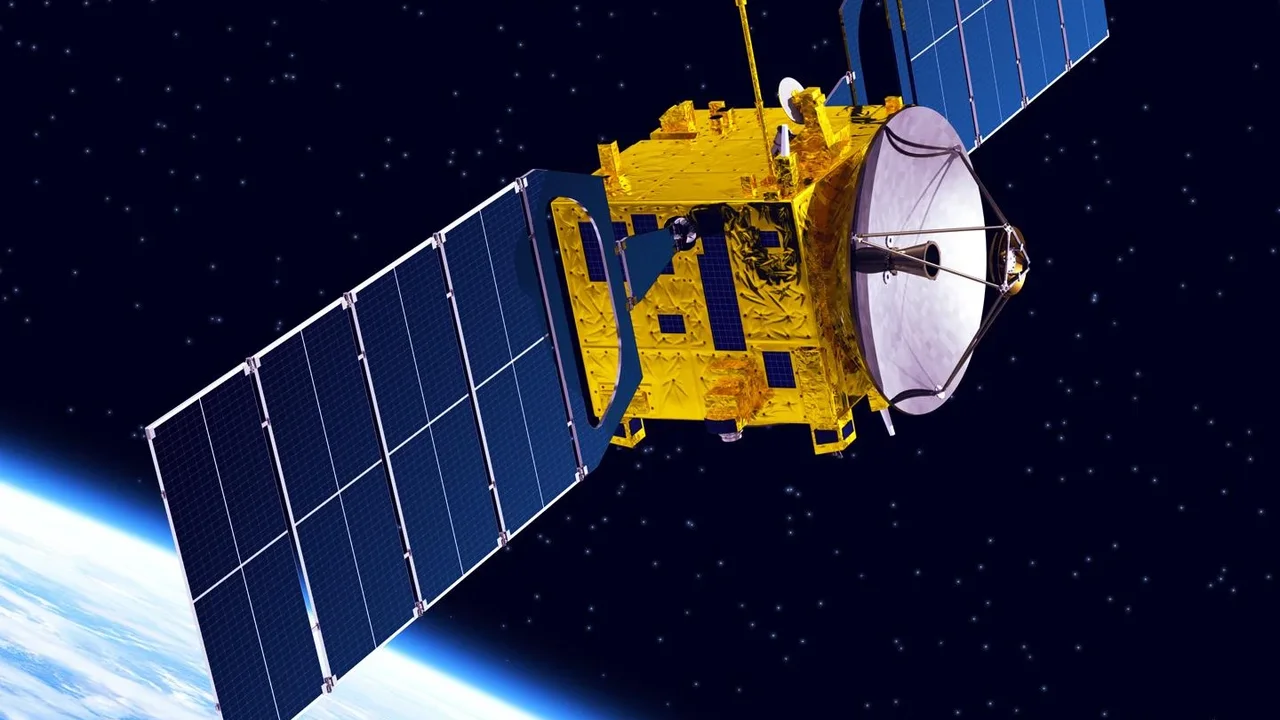
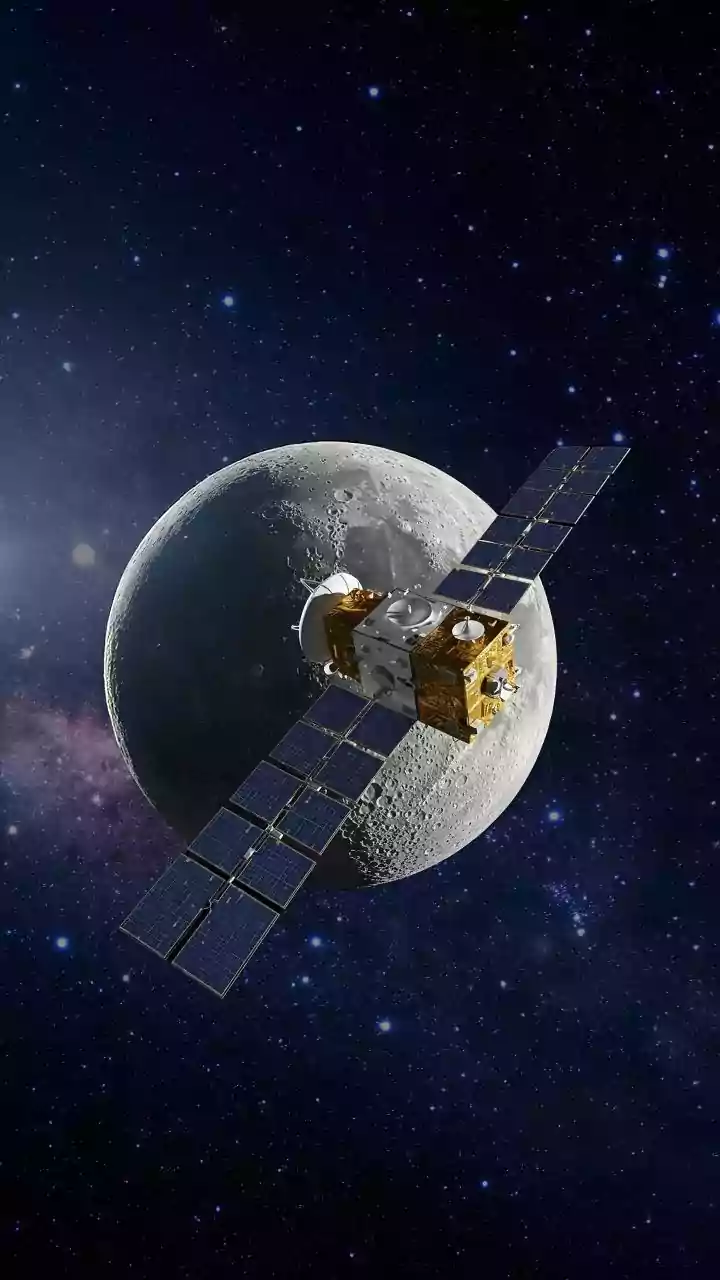
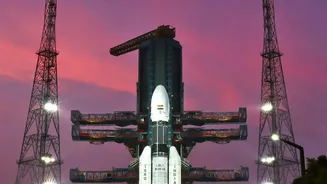
To probe the secrets of Venus, ISRO is developing its first-ever Venus Orbiter Mission, unofficially known as Shukrayaan-1. Formally approved by the Indian government in September 2024, the mission is currently scheduled for a launch in March 2028. The spacecraft, launched aboard an LVM-3 rocket, will undertake a 112-day journey to reach our neighbouring planet. Once there, it will enter a large elliptical orbit before using a technique called aerobraking over several months to settle into a lower, nearly polar science orbit of about 200 by 600 kilometres. From this vantage point, its suite of scientific instruments, including some from international partners like Sweden, will begin a multi-year study of the planet's surface, atmosphere, and its interaction with the sun.
The Volcanic Clue: Sulfur Dioxide
A primary goal of Shukrayaan-1 is to hunt for active volcanism, and the key to this search is a gas: sulfur dioxide (SO2). On Earth, SO2 is a telltale sign of volcanic eruptions. Scientists believe the same holds true for Venus. The planet’s atmosphere is known to contain large amounts of SO2, but the gas is quickly broken down by sunlight in the upper atmosphere. This means that any SO2 found at high altitudes must have been recently supplied from below. Previous missions, like the European Space Agency's Venus Express, have observed large and rapid fluctuations in the amount of SO2, hinting at episodic volcanic activity that could be blasting the gas upwards. Shukrayaan-1 will map the concentration of this gas with its instruments, looking for localized spikes that could be the 'smoking gun' of a recent or ongoing eruption.
A Global Effort to Understand Venus
While Shukrayaan-1 is a flagship mission for India, it joins a renewed global interest in Venus. Past missions from the US (Mariner, Pioneer, Magellan), the Soviet Union (Venera), Europe (Venus Express), and Japan (Akatsuki) have each peeled back a layer of the planet's mysteries. Recently, analysis of 30-year-old data from the Magellan mission provided the first direct evidence of an active volcano, revealing a volcanic vent that had changed shape over an eight-month period. In the coming decade, NASA and ESA are also planning new missions like VERITAS, DAVINCI, and EnVision. ISRO's mission, with its unique instruments and orbital plan, will provide a crucial piece of the puzzle, allowing for collaborative science and a more complete picture of why Earth's twin took such a different path.