





What is Dark-Sky Tourism?
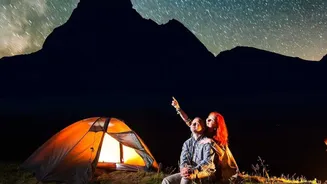
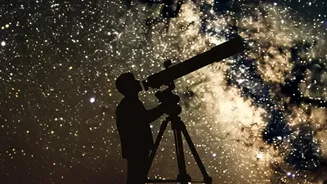
Dark-sky tourism, or 'astrotourism', is the simple act of travelling to a location with minimal light pollution to observe the night sky. It’s a shift away from traditional sightseeing towards experiences that connect us with the natural world. For many,
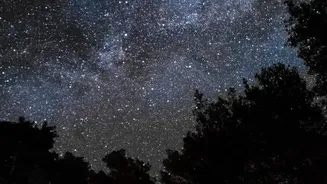
the opportunity to clearly see the Milky Way, constellations, and even distant galaxies is becoming as compelling as visiting a famous monument. It’s a chance to witness the universe in its unfiltered glory, a sight that was once common but is now a rare luxury for a significant portion of the world's population.
Why is This Trend Growing Now?
Several factors are fuelling the rise of astrotourism in India. A growing desire to escape the sensory overload of urban life is a major driver, with travellers seeking quiet and unique experiences. India’s recent successes in space exploration, like the Chandrayaan missions, have also sparked a renewed public interest in astronomy. Tour operators who once catered to a niche group of amateur astronomers now report surging demand from regular travellers. Private companies offering stargazing experiences have seen visitor numbers climb from just a few hundred to around 20,000 annually in recent years, signalling a significant shift from a hobby to a mainstream travel interest.
India's Crown Jewel: The Hanle Dark Sky Reserve
At the forefront of India's astrotourism boom is the Hanle Dark Sky Reserve in Ladakh. Designated in December 2022, it is India’s first officially notified region for dark sky preservation. Located in the remote Changthang region at an altitude of over 14,000 feet, Hanle offers some of the clearest and darkest skies in Asia. The area is home to the Indian Astronomical Observatory and its pristine conditions are protected by a community-led effort to minimise artificial light. The impact has been dramatic: visitor numbers to the remote village jumped from around 5,000 a year to over 30,000 after the designation, highlighting its magnetic appeal for stargazers.
Other Emerging Stargazing Hotspots
While Hanle is the star attraction, several other regions in India offer spectacular celestial views. The high-altitude desert of Spiti Valley in Himachal Pradesh provides a similarly remote and dark environment. In Gujarat, the vast, flat expanse of the Rann of Kutch offers an unobstructed, 360-degree view of the heavens, making it another prime location. For those in the south, parts of Coorg in Karnataka are also becoming known for accessible stargazing opportunities, often supported by private observatories. Other destinations gaining popularity include parts of Uttarakhand, Rajasthan, and even the Andaman and Nicobar Islands, each offering a unique landscape to complement the cosmic display.
Planning Your First Stargazing Trip
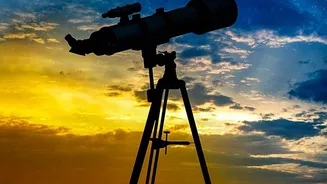
A successful stargazing trip requires a bit of planning. The best time to go is typically during the winter months, from November to February, when the air is dry and the skies are clearest. It's crucial to time your visit with the new moon, as a bright full moon can wash out fainter stars. Pack warm clothing, especially for high-altitude locations like Ladakh or Spiti, where temperatures drop sharply at night. While you can see a lot with the naked eye, a pair of binoculars can dramatically enhance the view. Most importantly, allow your eyes at least 20-30 minutes to fully adjust to the darkness—avoid looking at your phone screen.