



The Fantasy on the Front of the Pack
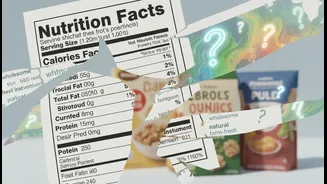
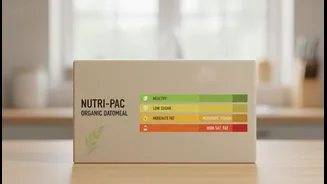
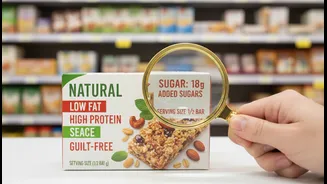
Food brands spend crores on packaging designed to catch your eye and convince you of a product's health benefits. Words like “natural,” “fresh,” “healthy,” and “organic” create a “health halo,” making us believe a product is better for us than it might
be. However, these terms are often vague and can be misleading. In fact, India's food regulator, the FSSAI, has recently been cracking down on brands for using such claims without proper justification. A packet of biscuits might be marketed as a “healthy snack,” but a quick look at the ingredients can reveal it’s still high in sugar and refined flour (maida). The front of the pack tells a story created by marketers; the nutrition label on the back tells the facts.
Your 5-Step Guide to Reading the Facts
Becoming a savvy shopper doesn’t require a degree in nutrition. It just takes a few seconds to flip the pack and look for the right information. By focusing on a few key areas of the nutrition label, you can quickly assess whether a product lives up to its marketing hype. This simple habit can protect both your health and your wallet. Here is a simple checklist to get you started.
1. Start with the Serving Size
This is the single most important, and most misleading, part of the label. All the nutritional values listed—calories, fat, sugar—are based on the recommended serving size, not the entire package. A packet of chips or biscuits might list a serving size as just 10-15 pieces, but most people consume far more in one sitting. Before you even look at the calories, check the serving size and be honest about how much you're actually likely to eat. If you eat two servings, you must double all the numbers on the label.
2. Scan the Ingredients List
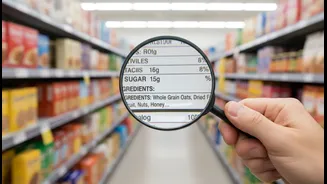
The ingredients list is your most powerful tool for seeing what's really in your food. Ingredients are always listed in descending order by weight. This means the first three ingredients make up the bulk of the product. If sugar, maida (refined wheat flour), or hydrogenated oils are among the top three, the product is likely not as healthy as its front-of-pack claims suggest, no matter how many 'superfoods' are sprinkled in. A shorter, more recognizable ingredients list is generally a better sign.
3. Hunt for Hidden Sugar and Salt
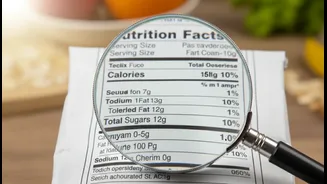
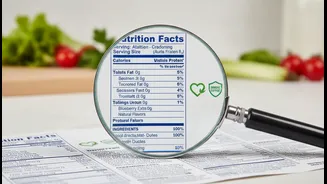
Sugar and salt are often hidden in foods you might not expect, like bread, sauces, and breakfast cereals. On the nutrition panel, look for “Total Carbohydrate” and the line directly beneath it: “of which Added Sugars.” This tells you how much sugar has been added by the manufacturer, versus what occurs naturally. For salt, check the “Sodium” content. Comparing the 'per 100g' column across different products is the best way to make a fair comparison and choose the option with lower levels of these nutrients of concern.
4. Decode 'No Added Sugar' and Other Claims
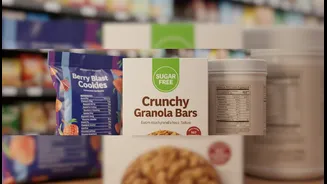
Claims like “no added sugar” can be tricky. A product might not contain white sugar, but it could be sweetened with large amounts of date syrup, honey, or fruit juice concentrates, which are still forms of sugar that add calories. Similarly, a product labeled “low-fat” might contain extra sugar to make it taste better. Always check the ingredients list and the nutrition panel to verify these claims. The FSSAI is increasingly scrutinizing these types of claims to ensure they don't mislead consumers.
5. Check for the FSSAI Licence Number
Finally, look for the FSSAI logo and licence number. This is a mandatory mark that indicates the food business operator is registered with the food safety authority. While it doesn't endorse the product's healthiness, it confirms that the business is accountable to regulatory standards. It's a basic check for legitimacy before you even begin to analyse the nutritional content.