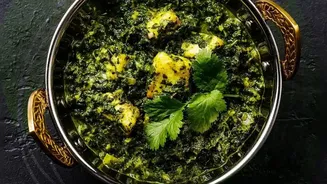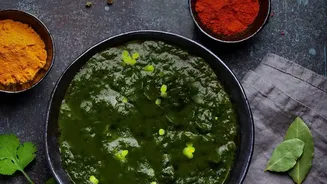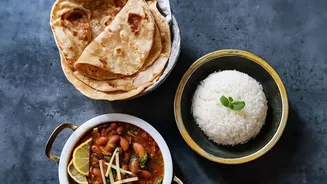



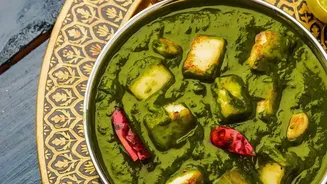
It’s a debate as old as the winter chill itself in many Indian households: what is the rightful companion to a hearty bowl of saag? Is it the rustic, sturdy roti or a soft, comforting mound of rice? The question is more than just a matter of taste.
Understanding the Soul of Saag
Before
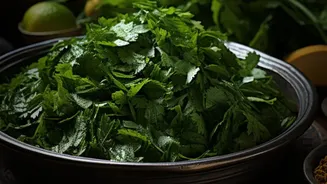
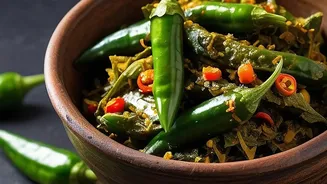
diving into the great carbohydrate debate, it’s essential to understand what 'saag' truly is. While many immediately picture Sarson ka Saag, the iconic Punjabi dish made from mustard greens, the term 'saag' actually refers to a wide category of dishes made from various leafy greens. From spinach (palak) and fenugreek (methi) to bathua (chenopodium), these greens are slow-cooked with aromatics like ginger, garlic, and green chillies until they break down into a luscious, creamy puree. Hailing from the agricultural heartlands of Punjab, saag was born from necessity and wisdom, a way to transform the abundant winter harvest of greens into a warming, nourishing meal. The slow-cooking process, traditionally done in earthen pots, mellows any bitterness and melds the flavours into something deeply comforting.
The Classic Companion: Roti
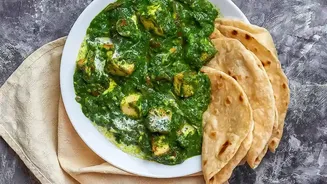
For many, especially in North India, there is only one answer: saag must be eaten with roti. The most classic and celebrated pairing is Sarson ka Saag with Makki ki Roti (a flatbread made from maize flour). This combination is a cornerstone of Punjabi winter cuisine, a meal that signifies abundance and is often associated with the Lohri harvest festival. The logic is both textural and historical. The slightly coarse, rustic texture and nutty flavour of the makki ki roti are considered the perfect foil for the creamy, pungent saag. A sturdy piece of roti, whether made from maize or whole wheat, is the ideal vehicle for scooping up the thick greens, ensuring a perfect ratio in every bite. This pairing speaks to the agricultural roots of the region, where wheat and maize are staple crops.
The Comforting Contrast: Rice
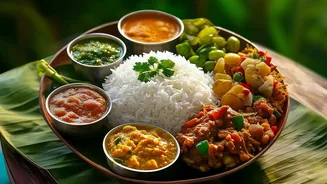
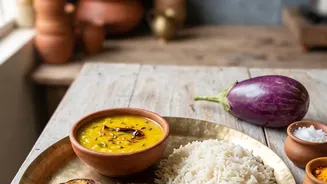
While the roti camp is loud and proud, the case for rice is equally compelling, albeit quieter and rooted in different regional preferences. Pairing saag with steamed rice creates an entirely different, but no less satisfying, experience. Instead of a scoop, the rice acts as a soft bed, allowing the individual grains to soak up the flavourful, buttery saag. This combination is often seen as a lighter, more comforting meal, easier on digestion. In regions beyond Punjab, such as the Saraiki belt, saag is popularly enjoyed with a bread made from rice flour called 'chillra'. In many other Indian homes, a simple saag made from spinach or other local greens is a common accompaniment to a dal-rice meal, where it provides a nutritious vegetable component. Ultimately, pairing saag with rice is about absorption and creating a wholesome, balanced plate.
A Nutritional Powerhouse
The traditional pairings are not just about taste; they are nutritionally sound. Leafy greens like mustard and spinach are packed with vitamins A, C, and K, as well as iron and calcium. However, some nutrients require a partner for optimal absorption. The dollop of ghee or white butter traditionally added to saag is not just for flavour; it provides healthy fats that help the body absorb the fat-soluble vitamins from the greens. When paired with a whole grain roti or rice, the meal becomes a balanced source of complex carbohydrates for sustained energy, fibre for digestive health, and essential micronutrients. The combination of greens and grains can also create a more complete protein profile.
The Verdict: A Matter of Heart and Home
So, roti or rice? The truth is, there is no single correct answer. The choice is deeply personal and often tied to region, family tradition, and even the specific type of saag being served. The robust, thick Sarson ka Saag from Punjab almost demands the structural integrity of a Makki ki Roti. A lighter, spinachbased saag , however , can be beautifully complemented by the softness of steamed rice . It also depends on the occasion . A celebratory winter feast might call for the classic saag and roti combination , while a simple weeknight dinner might feature saag alongside dal and rice . The beauty of this versatile dish is that it adapts , providing warmth and nourishment regardless of its companion . Whether you use a piece of roti to scoop it or mix it into a mound of rice , you are participating in a cherished culinary tradition .