

The Soul of the Snack: The Potato Filling
The journey to an authentic bread pakora begins not with the bread or the batter, but with the spiced potato filling. This is where the primary layers of flavour are built. Most street vendors start with boiled and mashed potatoes, ensuring they aren't
overcooked to avoid a mushy texture. The key is to create a 'bhuna' masala, a mix of spices and aromatics sautéed in a little oil before the potatoes are added. This initial cooking step blooms the spices, releasing their essential oils and deepening their flavour. Key aromatics include finely chopped ginger and green chillies, which provide warmth and a fresh, sharp heat that defines the street-food experience. Some vendors also add finely chopped onions, sautéing them until translucent to build a sweet, savoury base.
The Essential Spice Melange
While recipes vary slightly, a core group of spices is non-negotiable for that signature taste. Ground coriander, turmeric powder, and red chilli powder form the foundational trio. Turmeric provides earthy notes and a golden hue, while the chilli powder adds adjustable heat. However, the secret to the 'chatpata' or tangy flavour is amchur (dry mango powder). A generous pinch of amchur provides a sour kick that cuts through the richness of the fried snack. Garam masala is often added towards the end of cooking the filling to preserve its fragrant aroma. Some of the most flavourful pakoras also feature coarsely crushed whole spices like cumin and whole coriander seeds, which add texture and pockets of intense flavour.
Seasoning the Golden Batter
The batter is more than just a coating; it's another opportunity to add flavour. A basic bread pakora batter is made from besan (gram flour), water, and salt. To elevate it to street-style standards, a few key spices are essential. Ajwain (carom seeds) is almost universally included. These tiny seeds have a pungent, slightly bitter flavour and are believed to aid digestion, a welcome benefit in a deep-fried snack. A pinch of turmeric is common for colour, as is a little red chilli powder for an extra layer of heat. Some recipes also incorporate a pinch of asafoetida (hing), which lends a subtle, savoury, onion-like background note. For an extra crispy texture, a tablespoon of rice flour or cornstarch can be added to the besan.
The Finishing Touch: A Sprinkle of Magic
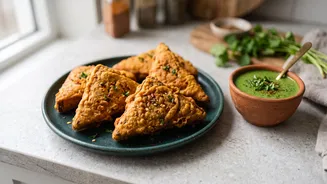
What truly separates a homemade pakora from one bought from a bustling street-side cart is often the final flourish. As soon as the golden triangles are lifted from the hot oil, they are generously sprinkled with chaat masala. This quintessential Indian spice blend is a complex mix of ingredients like amchur, black salt (kala namak), cumin, and black pepper. It delivers a final, powerful punch of salty, sour, and pungent flavours that awakens the palate. Black salt, in particular, has a distinctive sulfuric taste that is instantly recognizable and deeply associated with Indian street food. This final seasoning step is crucial; the heat of the freshly fried pakora helps the chaat masala adhere and releases its full aromatic potential.
Putting It All Together
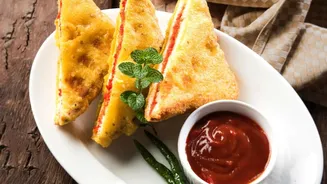
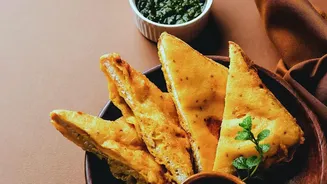
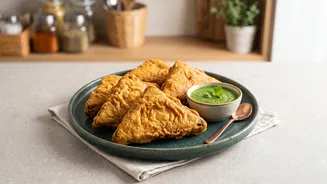
To assemble, the spiced potato mixture is spread generously between two slices of white bread. Some vendors will also add a layer of green coriander-mint chutney on one slice for an extra layer of fresh, herby flavour before adding the potato. The sandwich is then pressed firmly, cut diagonally into triangles, and dipped into the prepared besan batter, ensuring it's evenly coated. It’s then carefully slipped into medium-hot oil and fried until golden brown and crisp on all sides. The result is a multi-layered taste experience: the soft bread and fluffy potato, the complex spice of the filling, the seasoned, crispy batter, and the final tangy hit of chaat masala.