




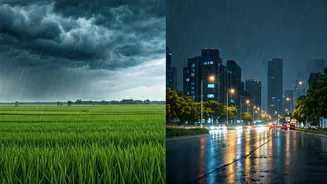



The Lifeline of the Economy
The southwest monsoon is often called India’s “economic lifeline,” and for good reason. It’s not just about watering crops; it is a critical engine for the entire national economy. While nearly half of India's farmland is rain-dependent, the monsoon’s
influence extends to replenishing the nation's water reservoirs, supporting hydropower generation, and influencing everything from inflation to consumer demand. A good monsoon boosts rural incomes, which in turn fuels spending on consumer goods, automobiles, and services. Conversely, a weak or erratic monsoon doesn't just spell trouble for farmers; it creates economic headwinds that affect everyone.
Turning Off the Taps in Our Cities
The most immediate non-agricultural impact of a poor monsoon is on water security. Cities across India are deeply dependent on reservoirs that are replenished by seasonal rains. When the monsoon is weak or delayed, these reservoir levels drop precariously. In major hubs like Mumbai, this can lead to significant water restrictions, with authorities cutting supplies to construction sites and swimming pools to preserve water for essential needs. This puts immense pressure on urban infrastructure and impacts daily life, forcing residents to wait in long queues for water and deepening the strain on already stressed groundwater resources.
A Drain on Power Generation
India's energy sector is also closely tied to the monsoon's performance. A significant portion of the country's electricity comes from hydropower, which depends entirely on adequate water levels in dams. A weak monsoon means less water flowing into rivers and reservoirs, directly reducing the capacity of hydroelectric plants to generate power. This shortfall puts greater pressure on thermal power plants, potentially increasing fuel costs and straining the national grid. With power demand often shattering records during the hot months preceding the monsoon, a deficit in hydropower can contribute to power shortages just when the country needs electricity the most.
The Inflation Domino Effect
For the average household, one of the most tangible effects of a poor monsoon is rising prices. Lower agricultural output inevitably leads to higher food prices, which form a major part of India's inflation basket. A rainfall deficit of just 10% can push headline inflation up by as much as one percentage point. This isn't just about the cost of vegetables at the local market; it has broader economic consequences. Rising food inflation squeezes household budgets, dampens consumer sentiment, and can force the Reserve Bank of India to make tough monetary policy decisions to keep prices stable, which can in turn affect economic growth.
Industry and Demand Take a Hit
The economic impact cascades from rural households to urban industries. When farm incomes fall due to a poor monsoon, rural demand for a wide range of products—from fast-moving consumer goods (FMCG) to tractors and two-wheelers—takes a significant hit. This slowdown in rural consumption, which is a major driver of the Indian economy, affects corporate revenues and can lead to a broader economic deceleration. The cycle is clear: a weak monsoon reduces rural purchasing power, which in turn cools down industrial activity and affects overall GDP growth.