






The Vigorous Towel Rub
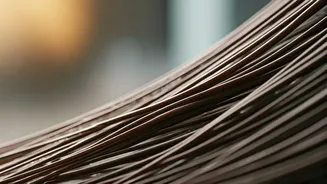
That brisk, vigorous towel rub-down you give your hair after a shower feels efficient, but it’s a major cause of damage. When hair is wet, the cuticle (its outer protective layer) is swollen and raised, making the hair shaft incredibly fragile. The friction
from a rough cotton terrycloth towel acts like sandpaper on these vulnerable strands, leading to frizz, split ends, and breakage. It roughs up the cuticle, preventing it from lying flat, which is what gives hair its shine and smoothness. Instead, gently squeeze out excess water with your hands. Then, switch to a soft microfiber towel or even an old, clean cotton t-shirt. Instead of rubbing, use a patting or 'plopping' motion to blot the water out. This absorbs moisture without creating damaging friction, preserving the integrity of your hair.
Brushing From Root to Tip
Tackling knots by yanking a brush from your scalp downwards through wet hair is a recipe for disaster. Wet hair can stretch up to 30% of its original length without returning to its state, and forcing a brush through it can snap the strands at their weakest point. This aggressive detangling creates a halo of short, broken hairs (flyaways) and can thin out your ends over time. To detangle safely, start at the ends. Hold a section of hair and gently work through the knots at the bottom, gradually moving your way up towards the roots. This method puts less tension on the hair shaft and scalp. Use a tool designed for wet hair, like a wide-tooth comb or a flexible-bristle detangling brush, which is much kinder than a standard paddle or boar bristle brush on fragile, wet strands.
Going Straight to High Heat
In a rush, it’s tempting to turn your blow dryer to its highest heat setting and blast your soaking-wet hair. If you’ve ever heard a sizzle, that’s the sound of water inside your hair shaft turning to steam and boiling, causing extreme damage from the inside out. This phenomenon, known as 'bubble hair', creates permanent weak spots and leads to breakage. Applying high heat to sopping wet hair essentially flash-fries it. Let your hair air-dry at least 60-70% of the way before introducing heat. If you don't have time, use your blow dryer on a low-heat, low-speed setting to remove most of the moisture first. Always, always apply a heat protectant spray, which creates a barrier between your hair and the hot tool. Once your hair is just damp, you can switch to a medium heat setting to style.
The Tight Ponytail or Bun
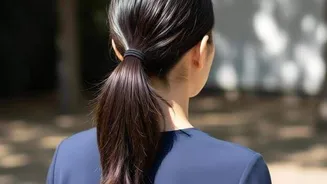
Pulling wet hair back into a tight ponytail or bun might seem like a neat and tidy solution, but it places a double strain on your hair. Not only is the hair itself in a fragile state, but the tension from the elastic band pulls directly on the follicles. This can lead to a type of hair loss called traction alopecia over time. Furthermore, hair trapped tightly together while wet takes much longer to dry, creating a damp environment on the scalp that can potentially encourage fungal or bacterial growth. If you absolutely must tie your hair back, opt for a very loose braid or a low ponytail secured with a gentle hair tie, like a silk or satin scrunchie, which minimises friction and tension.
Sleeping With Wet Hair
Going to bed with a wet head is another common habit that can compromise your hair and scalp health. As you toss and turn, the friction between your damp hair and a cotton pillowcase creates frizz and breakage. More importantly, a damp scalp pressed against a pillow for hours can create a warm, moist environment—the perfect breeding ground for Malassezia, a fungus linked to dandruff. It can also lead to scalp irritation and other fungal infections. Ideally, you should ensure your hair, especially the roots, is completely dry before bed. If that’s not possible, try switching to a silk or satin pillowcase. The smoother surface creates less friction than cotton, reducing breakage. It won't solve the scalp moisture issue, but it will at least protect the hair shaft.