

The Irresistible Call of the Monsoon Reel
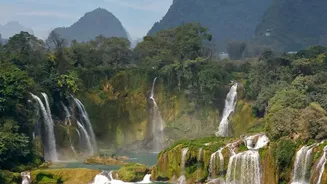
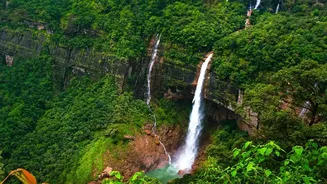
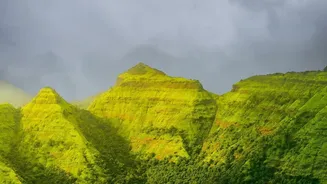
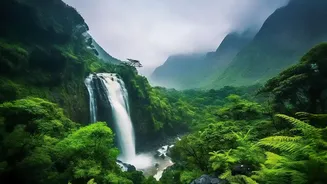
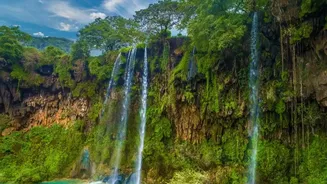
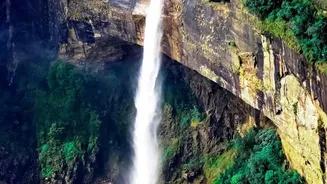
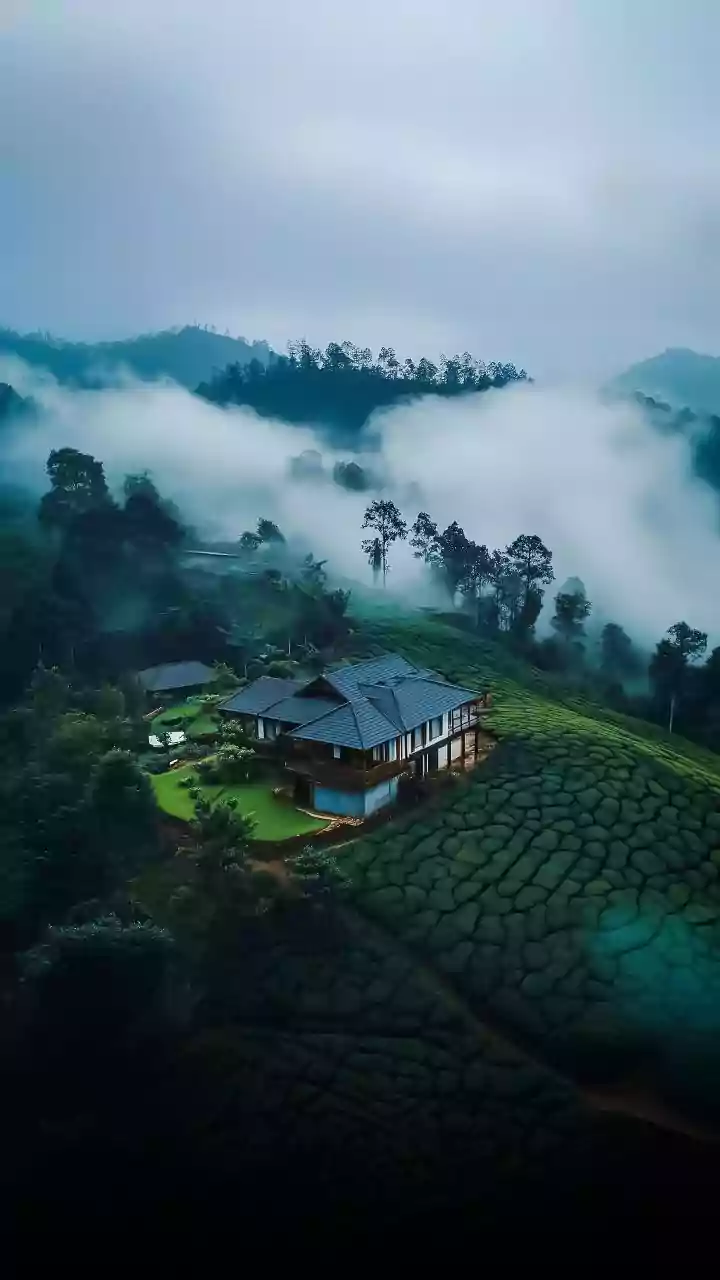
There's a unique magic to the Western Ghats in monsoon. Hills that lay dormant and brown for months erupt into a vibrant, impossible green. Waterfalls appear out of nowhere, carving dramatic paths down ancient basalt cliffs. This transformation, coupled
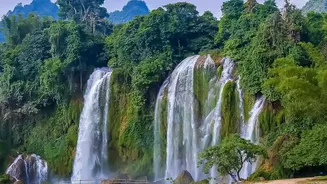
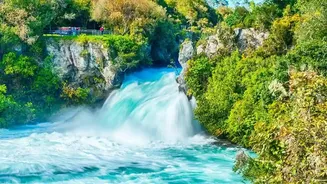
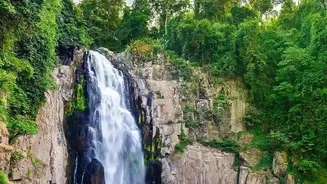
with the misty, atmospheric conditions, creates a visual spectacle that feels tailor-made for Instagram Reels and YouTube vlogs. For city dwellers in Mumbai and Pune, a quick trip to these natural wonders offers a powerful visual escape from urban life. The accessibility of many falls, some just a short train ride away, makes them a go-to weekend plan for students, families, and creators looking to capture the season's raw beauty. This allure has turned waterfall-chasing into a defining monsoon activity, with every cascade judged by its photogenic potential.
Bhivpuri Falls: The People's Waterfall
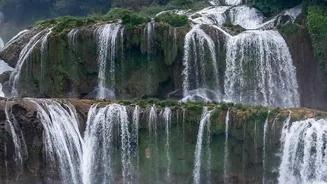
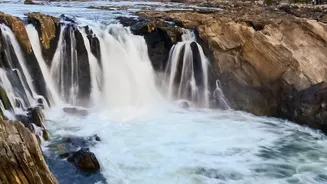
Few waterfalls are as woven into the fabric of Mumbai's monsoon culture as Bhivpuri. Located in Karjat, its main draw is incredible accessibility; a local train from the city takes you to Bhivpuri Road station, from where a short trek leads you to the falls. This convenience makes it a perennial favourite. Vlogs and social media posts from July 2026 show it in full flow, attracting large, cheerful crowds. The waterfall descends in steps, creating multiple pools where visitors can wade and enjoy the cool water, making it an ideal spot for group outings. Its combination of easy access, a manageable trek, and stunning green surroundings cements its status as one of the most popular and social media-documented falls each year.
Lingmala and Thoseghar: Views from a Safe Distance
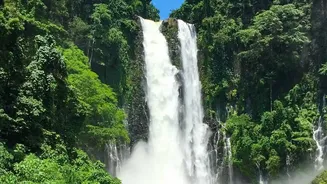
For those wary of the risks of getting too close, some of the region's most spectacular falls are best enjoyed from a distance. Lingmala Waterfall near Mahabaleshwar offers two distinct experiences: a smaller, playful cascade for families and a majestic 500-foot main fall best viewed from a secure platform across the gorge. Similarly, Thoseghar Falls in Satara is a series of cascades, including one of Maharashtra's tallest, which visitors can admire from a well-constructed viewing deck. These spots represent a more organised approach to monsoon tourism. By providing designated, safe viewpoints, they allow visitors to soak in the grandeur and capture stunning photographs without venturing onto slippery rocks or into unpredictable currents, offering a blueprint for enjoying nature's power responsibly.
The Peril Behind the Perfect Picture
The flip side of this seasonal popularity is a sharp rise in accidents. The same rains that feed the waterfalls can turn them into deadly traps in minutes. On July 28, 2026, over 70 tourists were rescued from Zenith Waterfall in Khopoli after a sudden surge in the stream left them stranded. It was the third such rescue operation at that single location in the same month. Just days earlier, a flash flood near a waterfall in Thane district resulted in one death, with another person reported missing. Authorities repeatedly warn that flash floods can occur without warning, as heavy rain in the upper reaches of the hills sends a torrent of water downstream. Despite these warnings and prohibitory orders, thrill-seekers often venture into dangerous waters or onto slippery ledges for a selfie, underestimating the powerful currents.
A Cycle of Bans and Renewed Crowds
The word "again" in the headline points to a recurring seasonal cycle. In response to accidents, district authorities frequently impose prohibitory orders under Section 163 of the Bharatiya Nagarik Suraksha Sanhita (the new CrPC). These rules often ban entering water, drinking alcohol at tourist spots, and taking selfies at dangerous points. For instance, several spots in the Lonavala region were under such restrictions from early July 2026 before they were lifted around July 18 after a review of the weather conditions. This creates a fluid situation where a destination might be closed one weekend and open the next, leading to confusion and sometimes encouraging visitors to flout the rules. The ongoing bans on popular waterfalls in neighboring Karnataka have also led to an increased tourist flow into Maharashtra's border districts, adding to the crowds.